Directing
No biography available.
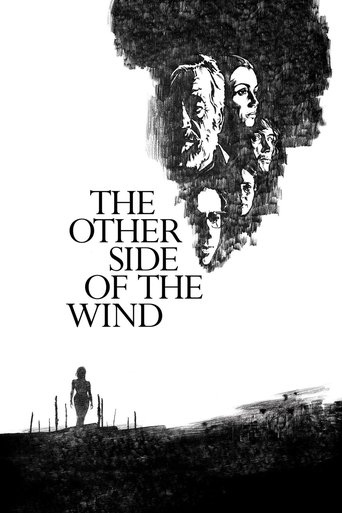
At a media-swamped party to celebrate his seventieth birthday and screen his avant-garde film-in-progress, a legendary but jaded Hollywood director is faced both with voracious fans and unsettling questions about what became of his lead actor.
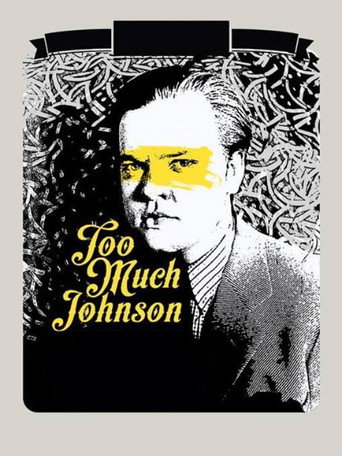
This film was not intended to stand by itself, but was designed as the cinematic aspect of Welles' Mercury Theatre stage presentation of William Gillette's 1894 comedy about a New York playboy who flees from the violent husband of his mistress and borrows the identity of a plantation owner in Cuba who is expecting the arrival of a mail order bride. The film component of the performance was ultimately never screened due to the absence of projection facilities at the venue. Long-believed to be lost, a workprint was discovered in 2008 and the film had its premiere in 2013.
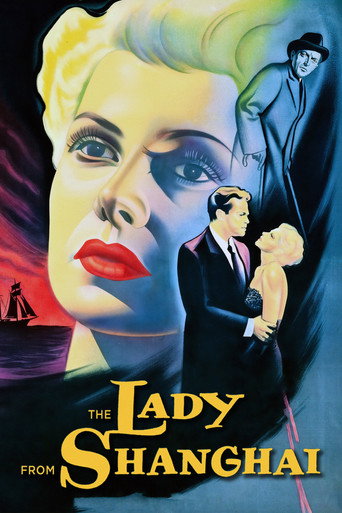
A romantic drifter gets caught between a corrupt tycoon and his voluptuous wife.
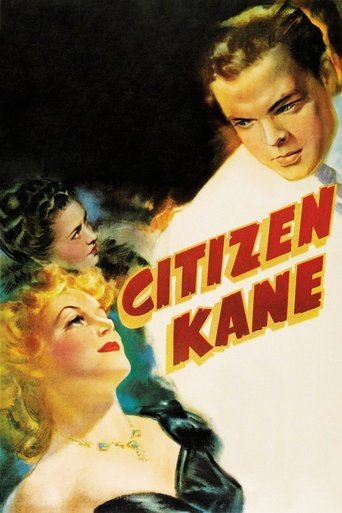
Newspaper magnate Charles Foster Kane is taken from his mother as a boy and made the ward of a rich industrialist. As a result, every well-meaning, tyrannical or self-destructive move he makes for the rest of his life appears in some way to be a reaction to that deeply wounding event.
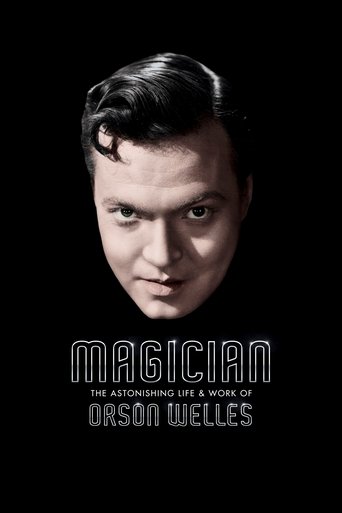
The extraordinary life of Orson Welles (1915-85), an enigma of Hollywood, an irreducible independent creator: a musical prodigy, an excellent painter, a master of theater and radio, a modern Shakespeare, a magician who was always searching for a new trick to surprise his audience, a romantic and legendary figure who lived only for cinema.
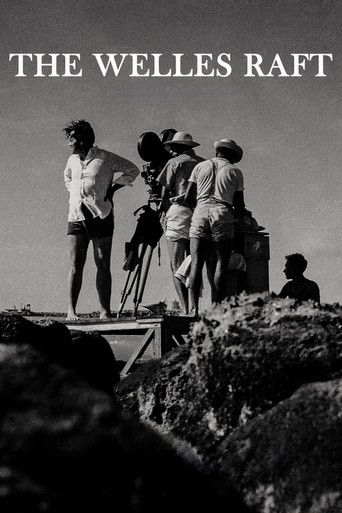
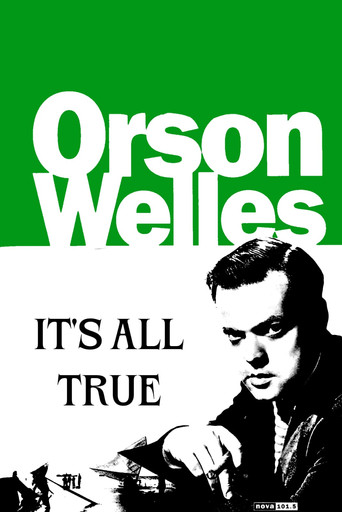
The raft man Manuel Jacaré was swallowed by the sea when Orson Welles was filming It's All True in 1942. The fact evokes memories of the dictatorship of the Estado Novo, of World War II, of Ceará fishermen's struggle for labor rights and housing in their traditional space - target of real estate speculation.
A stranger comes to town looking for his estranged wife. He finds her running the local girls. He also finds a town and sheriff afraid of their own shadow, scared of a landowner they never see who rules through his rowdy sidekicks. The stranger is a town tamer by trade, and he accepts a $500 commission to sort things out.
A beautifully rendered, fact-based crime film about a crusading Italian policeman battling Black Hand extortionists in New York’s Little Italy is back on the big screen. In addition to Ernest Borgnine’s brilliantly sensitive portrayal as Lieutenant Joseph Petrosino, this engrossing picture is deftly photographed by Lucien Ballard, beautifully scored by David Raksin with a stellar supporting cast including Zohra Lampert and Alan Austin. Literate, suspenseful and emotionally moving, this memorable film remains the definitive depiction about the emergence of the Mafia in America.
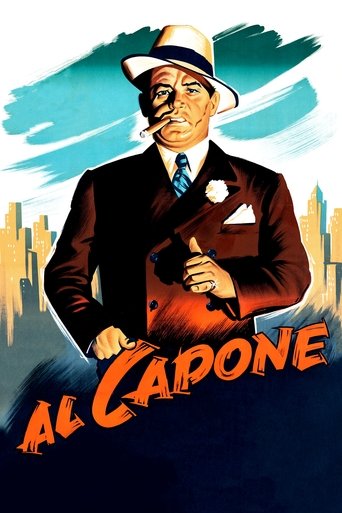
In this unusually accurate biography, small-time hood Al Capone comes to Chicago at the dawn of Prohibition to be the bodyguard of racketeer Johnny Torrio. Capone's rise in Chicago gangdom is followed through murder, extortion, and political fraud. He becomes head of Chicago's biggest "business," but moves inexorably toward his downfall and ignominious end.
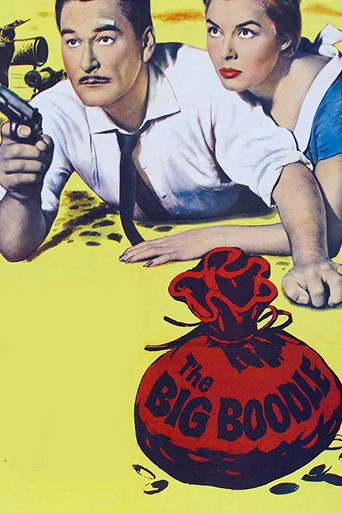
Tough guy fights gangsters and counterfeiters in pre-Castro Cuba.
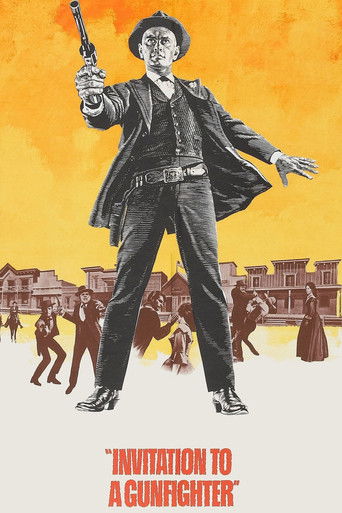
In New Mexico, a Confederate veteran returns home to find his fiancée married to a Union soldier, his Yankee neighbors rallied against him and his property sold by the local banker who then hires a gunman to kill him.
A documentary about Orson Welles's unfinished three-part film about South America.