Sound
No biography available.
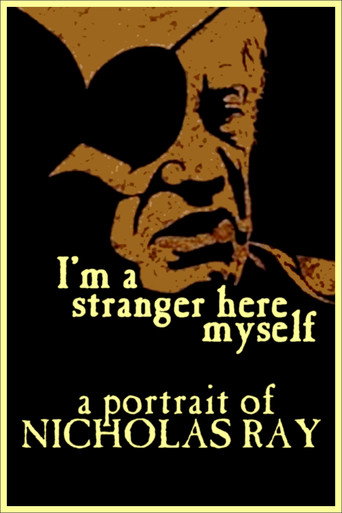
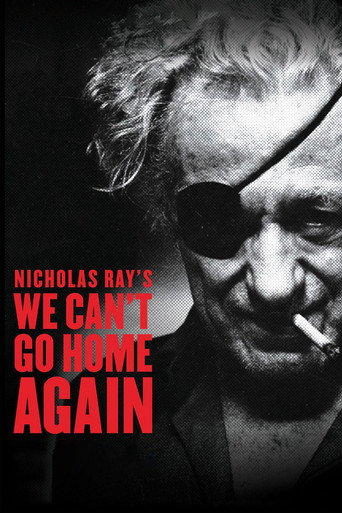
Nicholas Ray plays himself, acting as mentor, friend, and artistic inspiration to his students at Binghamton. Preserved by the Academy Film Archive in partnership with The Film Foundation.
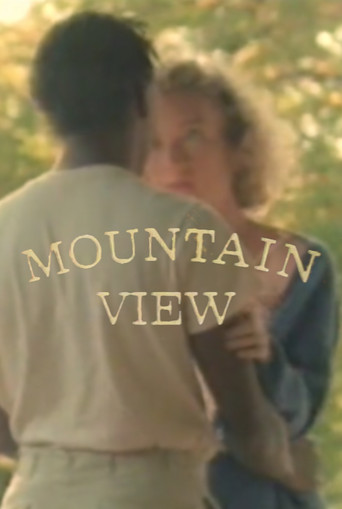
A dance drama work that, through movement and very little spoken text, details the interaction of several people residing at or visiting a motel or motor inn named Mountain View. The work spans a period of about 24 hours, following the individuals through late afternoon, an evening spent in the motel bar, and a picnic-style social gathering the next day. Some of the characters encountered are the family who runs the motel (a mother, her young adult son, and an older man, perhaps her father); a spunky, tomboyish girl; an interracial couple lodging at the motel; a young mother; a pair of newlyweds; a barfly; three people involved in a love triangle; and the punkish friends of the motel owner's son.
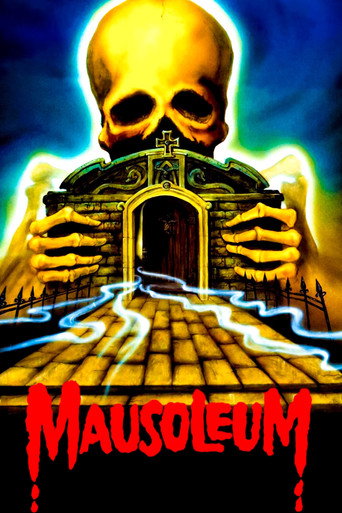
By way of an unnatural urge during her Mother's funeral, Susan enters her family's mausoleum, which unleashes an evil presence to lurk inside of her.
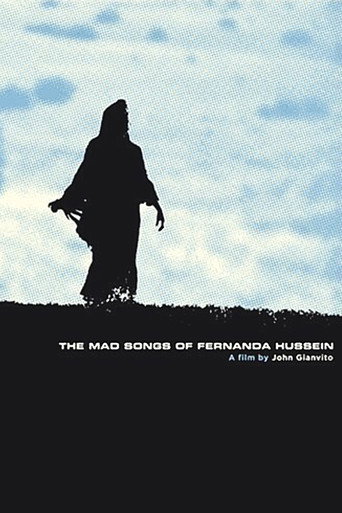
A cri de coeur against Iraq War I from writer-director John Gianvito (Profit Motive and the Whispering Wind).
A portrait of legendary filmmaker Nicholas Ray while he is working as a film professor at a college in upstate New York.
In 1986, Ross McElwee (Sherman's March) and Marilyn Levine were making a film about the 25th anniversary of the Berlin Wall, when the imposing structure was still very much intact as the world’s most visible symbol of hardline Communism and Cold War lore. They thought they were making a documentary on the community of tourists, soldiers, and West Berliners who lived in the seemingly eternal presence of the graffiti emblazoned eyesore. But in 1989, as the original film neared completion, the Wall came down, and McElwee and Levine returned to Berlin, this time to capture the radically different atmosphere of the reunified city.
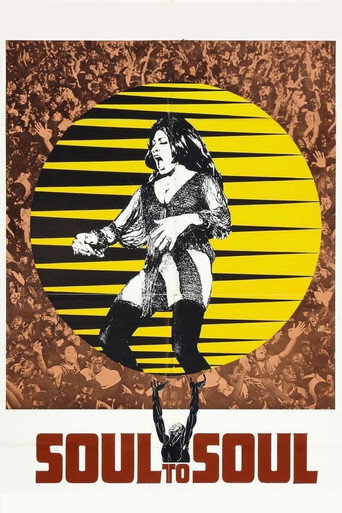
Footage of an American soul music concert held in Ghana to celebrate the 14th anniversary of the independence of that country in 1971. Features live performances by Ike & Tina Turner, Roberta Flack, Carlos Santana, Wilson Pickett and Willie Bobo.
The alien abduction phenomenon, told by those who experienced it, with the weight of a Pulitzer Prize-winning Harvard psychiatrist at their back.
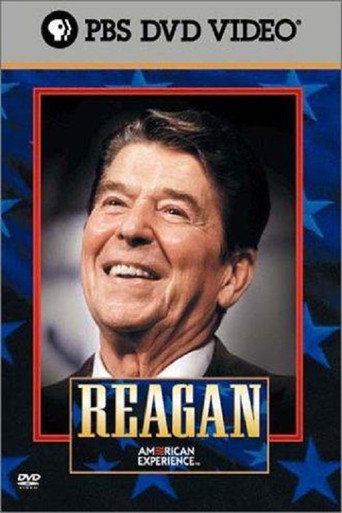
In 1988, after two terms in office, Ronald Reagan left the White House one of the most popular presidents of the twentieth century -- and one of the most controversial. A failed actor, Reagan became a passionate ideologue who preached a simple gospel of lower taxes, less government, and anti-communism.
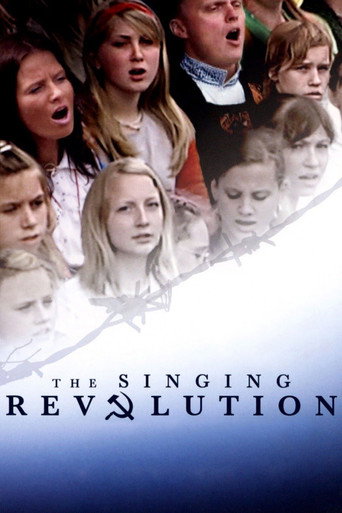
Most people don't think about singing when they think about revolutions. But song was the weapon of choice when, between 1986 and 1991, Estonians sought to free themselves from decades of Soviet occupation. During those years, hundreds of thousands gathered in public to sing forbidden patriotic songs and to rally for independence. "The young people, without any political party, and without any politicians, just came together ... not only tens of thousands but hundreds of thousands ... to gather and to sing and to give this nation a new spirit," remarks Mart Laar, a Singing Revolution leader featured in the film and the first post-Soviet Prime Minister of Estonia. "This was the idea of the Singing Revolution." James Tusty and Maureen Castle Tusty's "The Singing Revolution" tells the moving story of how the Estonian people peacefully regained their freedom--and helped topple an empire along the way.