Riad Shahid Movies, TV Shows, and Filmography
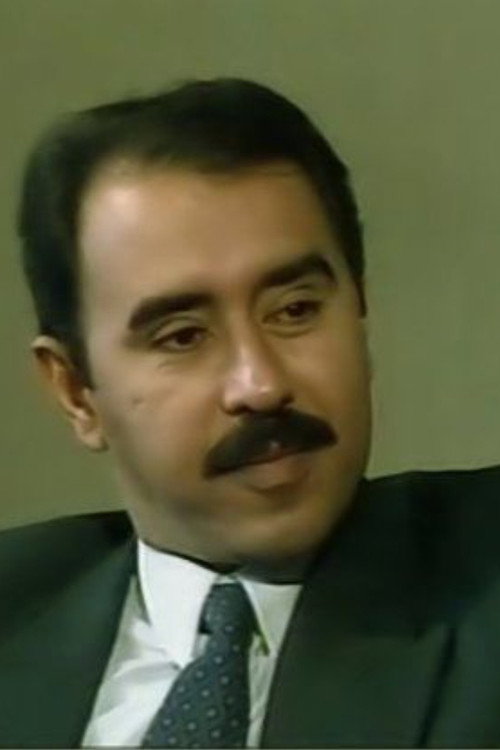
Riad Shahid
Acting
Biography
No biography available.
Filmography Movies
Acting
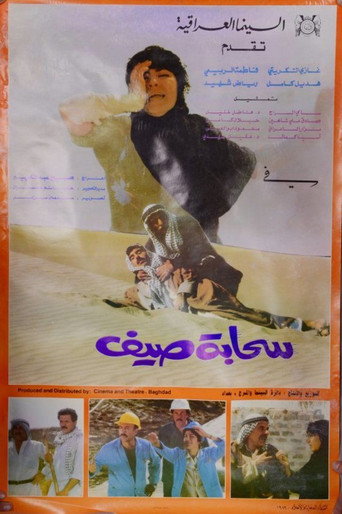
Summer Cloud
Ibrahim finds himself under intense nervous pressure as he seeks revenge for his father's murder by one of the sons of his village in a brawl that occurred between them. At the same time, a love relationship arises between him and the girl Ward, so he tries to persuade his family to forgive and distance themselves from bloodshed. On the other hand, Ibrahim tries to monitor what is happening in his work, dealing with theft and looting, attempting to rectify the situation in various ways.
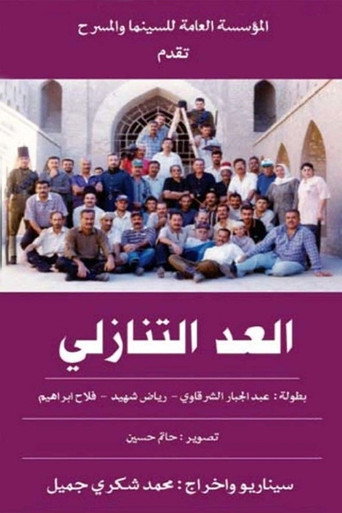
The Countdown
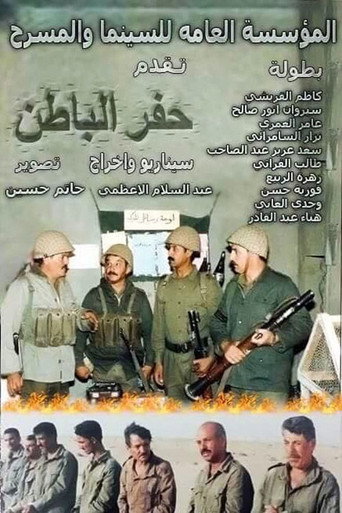
The film was not permitted to be screened, similar to another Iraqi film, Hafr al-Batin. Some said the ban was because the film did not appeal to President Saddam Hussein, while others argued it was due to the film’s criticism of the dictatorial regime. The former explanation is considered more likely.
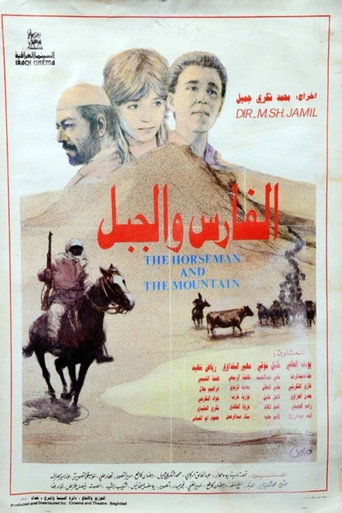
The Horseman and the Mountain
A border village during the Iran-Iraq war experiences the evils of war from the viewpoint of a young man who reflects on the fate that befell his village in this grinding war. The reality of war is reflected by the villagers who try to lead a normal life despite all the hardships they are facing.
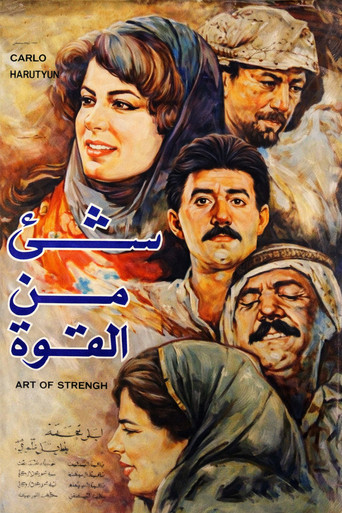
A Glimpse of Power
Fatima is a rural woman left behind when both her husband and brother depart to fight in the war. Alone, she carries the weight of survival, caring for her elderly father and young son, tending the land and livestock, and traveling long distances to bring water home. Amid the grind of daily hardship, longing consumes her. A horse once ridden and cherished by her husband becomes her sole emotional bridge to the absent men, embodying memory, hope, and endurance. Through it, she waits endlessly for their letters, clinging to reassurance that they are still alive.
Gallery