Acting
No biography available.
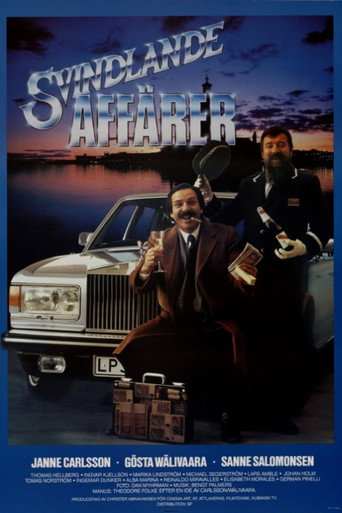
Gösta Eriksson, a hairdresser, buys a car from used-car dealer Bertil Planåker. But Gösta soon discovers that the car is a wreck. Planåker won't give him his money back, in fact he denies ever having seen Gösta. Gösta's brother Rolle is released from prison and promises to help him. They form an investment company, Parabola, and convinces Planåker to invest a lot of money in it. Planåker has a lot of shady business colleagues who also invest their money. Gösta's and Rolle's scam becomes much bigger than they had bargained for.
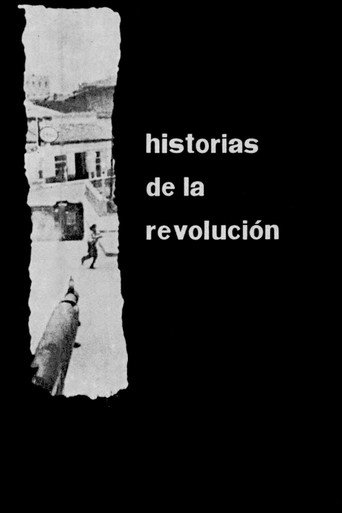
A film about the Cuban Revolution told from three different perspectives.
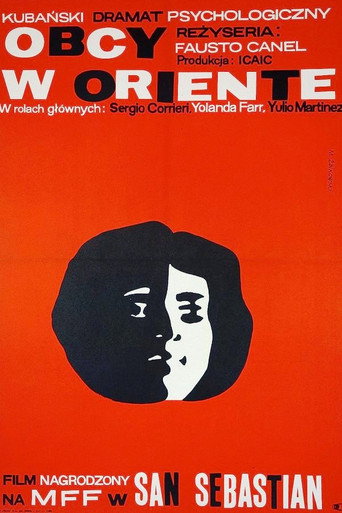
Engineer Mario Camargo, originally from Argentina, arrives in Cuba to work on the construction of a new industrial complex. He came from France, where he had lived most of his life. Mario had never thought about what homeland meant to him. He had always lived wherever he felt comfortable. In Cuba, Mario meets architect Marta Alea, a passionate patriot who devotes all her energy and abilities to building a new life. Seeing the enthusiasm of Marta and her friends, their devotion to the ideas of the revolution, Mario realizes that in our days, when the face of the world is changing, one cannot be a man without a homeland.
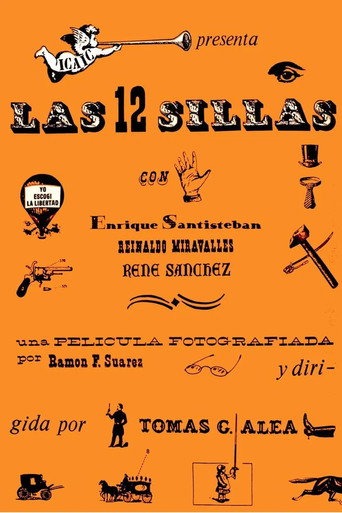
When her country is taken over by socialist revolutionaries, a wealthy woman can't bear to give up all of her wealth and possessions to the new government, so she hides all of her treasures in the 12 chairs of a dining-room set. After her death her nephew finds out what she had done and, since the chairs had been "nationalized" and are now in the possession of a dozen different people, he sets out to track them down and get the treasures he believes rightfully belong to him.
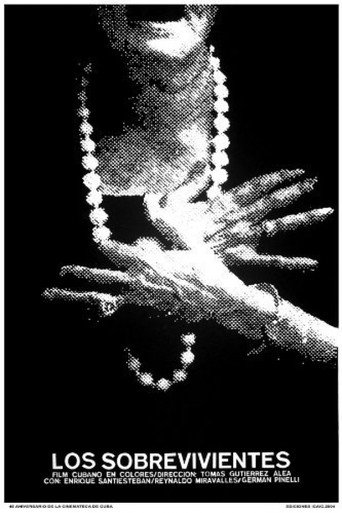
A bourgeois Cuban family of aristocratic origin locks itself into its mansion when the Cuban Revolution comes to power, waiting for the new regime to be overthrown. As time passes, they regress to older and older systems of political order, from capitalism to feudalism to "primitive savagery."
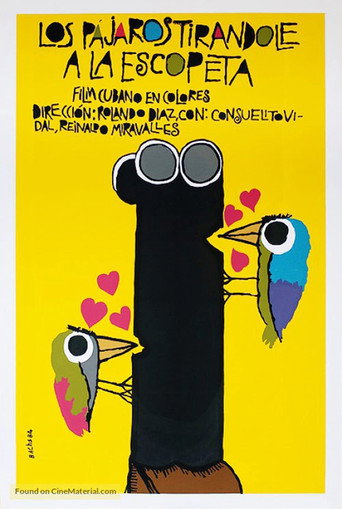
A young couple find out that their parents (her father and his mother) are having a romance. A series of problems arise because the young couple can't accept that relationship.
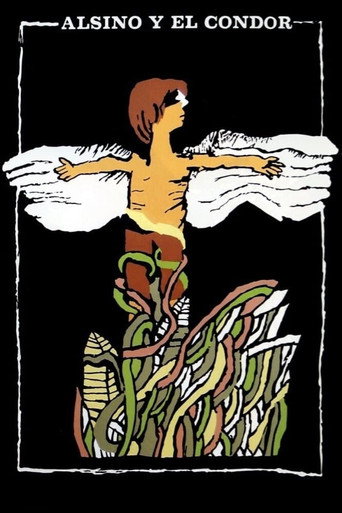
Alsino, a boy of 10 or 12, lives with his grandmother in a remote area of Nicaragua. He's engulfed in the war between rebels and government troops when a US advisor orders the army to open a staging area by the boy's hamlet. Alsino tries to be a child, climbing trees with a girl, looking through his grandfather's trunk of mementos and trying to fly; he goes to town to sell a saddle, has his first drink and is taken to a brothel. But the war surrounds him. The US advisor takes Alsino on a chopper flight, but he's unimpressed. The soldiers' cruelties awake rebel sympathies in Alsino, and after an army assault backfires, the lad is fully baptized into the conflict.
Mexican drama film directed by Miguel Littín. It is based on a short story of the same name by Gabriel García Marquez. It was entered into the 30th Berlin International Film Festival
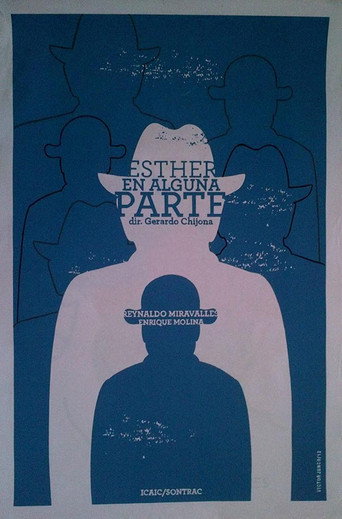
A widower is surprised to learn that his late wife lead a double life.
The unveilings and frustrations of a mother with little income, who insists on lavishly celebrating her daughter's fifteenth birthday.