Acting
No biography available.
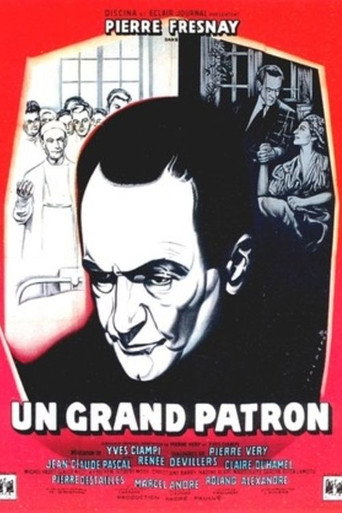
Professor Louis Delage is a kidney transplant specialist. He is so good in his field that his peers nickname him the "great man". But one day, one of his patients die during surgery and Delage starts doubting. Is he actually such a great man? To fight desperation he decides to take in the deceased child while devoting more time to Florence, his hitherto neglected wife.
The film is a 125-minute, black-and-white biography of French priest and diplomat Charles Maurice de Talleyrand-Périgord (1754–1838), who served for 50 years under five different French regimes: the Absolute Monarchy, the Revolution, the Consulate, the Empire, and the Constitutional Monarchy. Its title comes from one of the main historical nicknames for Talleyrand, that he shares with demon king Asmodeus and English poet Lord Byron.
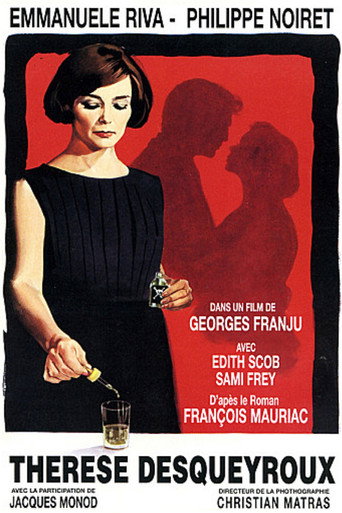
Thérèse is living in a provincial town, unhappily married to Bernard, a dull, pompous man whose only interest is preserving his family name and property. They live in an isolated country mansion surrounded by servants. Early in her marriage her only comforts are her fondness for Bernard's pine-tree forest, which was her primary reason for marrying him, and her love for her sister-in-law and Bernard's half-sister, Anne. The movie recounts in flashback the circumstances that led to her being charged with poisoning her husband.
A love between a teacher and his assistant is thwarted, because of their too great age difference.
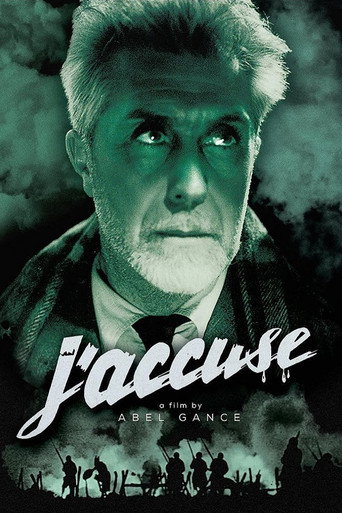
After serving in the trenches of World War I, Jean Diaz recoils with such horror that he renounces love and personal pleasure to immerse himself in scientific research, seeking a machine to prevent war. He thinks he has succeeded, but the government subverts his discovery, and Europe slides with seeming inevitability toward World War II. In desperation, Diaz summons the ghosts of the war dead from the graves and fields of France to give silent, accusing protest.
Claude is a young man whose girlfriend has just broken up with him. Feeling unable to overcome the pain, Claude has no other idea than to end his life. Back home, he finds five middle-aged or elderly men sitting at the dinner table but he refuses to join the guests and goes upstairs to his bedroom. The worst is prevented thanks to a servant who has caught sight of Claude's revolver. Claude 's uncle joins his nephew and manages to persuade him not to take action. He takes him downstairs to the dining room where each in turn, the five guests start telling their own story. For it happens that they too once had their heart broken and that they too once wanted to die for love.
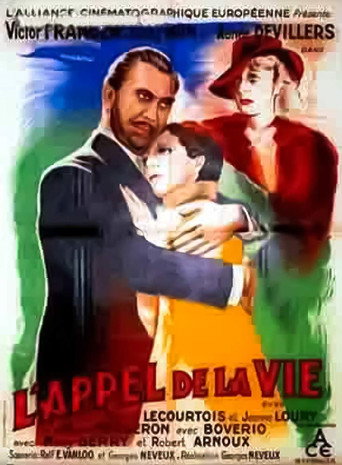
In 1914, in the first months of World War I, Louise Jarraud loses her husband, killed on the front. Shortly after, she gives birth to a baby, who soon dies. Devastated by this double misfortune, Louise decides to dedicate her life to caring for the children of others. She becomes a nurse with several employers, giving her affection to little boys or girls. A widower and another man propose to her but she refuses twice determined as she is to live only for the children in her charge.
The story of how the people of Paris cope with the strains and struggles of war, from the siege of the city by the Prussians during the Franco-Prussian War of 1871 to the invasion by the Germans in World War II.
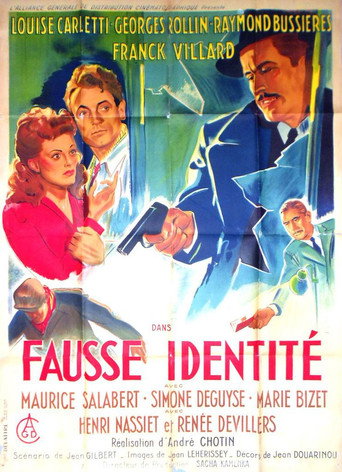
A man who has just deposited a will with a notary is run over by a car. As his overcoat bears the name and address of Emile Blondin on a label, the police go there and discover that the dead man is not Emile Blondin. But this one is soon discovered murdered. The police then became interested in Georges Blondin, the victim's brother, whose goddaughter, Juliette, was also the notary's secretary.
The romantic life of the head of a bandit gang, wanted by the police. Cartouche gets away with being deported to Louisiana after unmasking a plot by a Duke against the throne.