René Barjavel Movies, TV Shows, and Filmography
René Barjavel
Writing
Biography
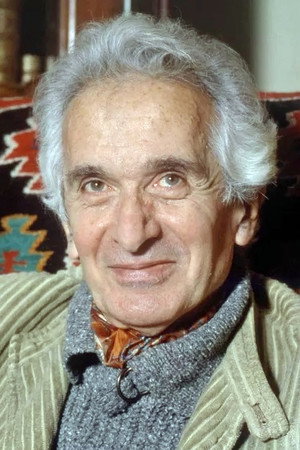
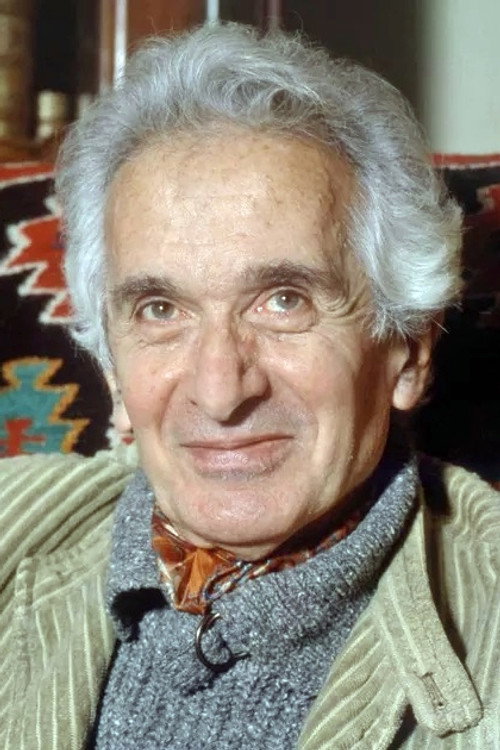
René Barjavel (24 January 1911 – 24 November 1985) was a French author, journalist and critic who may have been the first to think of the grandfather paradox in time travel. He was born in Nyons, a town in the Drôme department in southeastern France. He is best known as a science fiction author, whose work often involved the fall of civilisation due to technocratic hubris and the madness of war, but who also favoured themes emphasising the durability of love. René Barjavel wrote several novels with these themes, such as Ravage (translated as Ashes, ashes), Le Grand Secret, La Nuit des temps (translated as The Ice People), and Une rose au paradis. His writing is poetic, dreamy and sometimes philosophical. Some of his works have their roots in an empirical and poetic questioning of the existence of God (notably La Faim du tigre). He was also interested in the environmental heritage which we leave to future generations. Whilst his works are rarely taught in French schools, his books are very popular in France. Barjavel wrote Le Voyageur imprudent (1943), the first novel to present the famous Grandfather paradox of time travel: if one goes backwards in time and kills one of their ancestors before he had children, the traveller cannot exist and therefore cannot kill the ancestor. Barjavel died in 1985 and was buried with his ancestors in Tarendol (commune) cemetery, opposite Mount Ventoux in Provence. He used these place names in his books; Mount Ventoux appears as the site of the space base in Colomb de la lune, for example, and Tarendol is the name of the hero in the eponymous novel. Source: Article "René Barjavel" from Wikipedia in English, licensed under CC-BY-SA.
Filmography Movies
Production
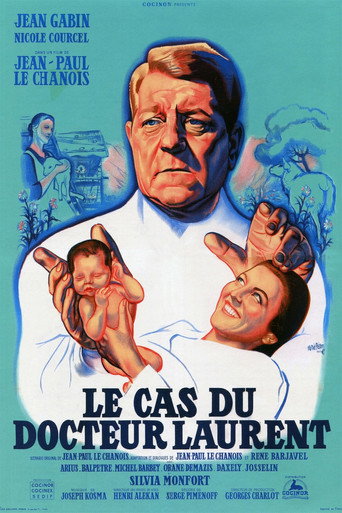
The Case of Dr. Laurent
A Paris-based doctor tries to spread the gospel of Natural Childbirth. Working in a cloistered rural community, Gabin runs up against the stone walls of fear and prejudice. His theories are proven sound when unwed mother Nicole Courcel gives birth within Gabin's methodology. The childbirth sequence is filmed straight-on with a delicate combination of taste and frankness. Nonetheless, the lurid ad campaign of Cas Du Dr. Laurent sensationalized this sequence all out of proportion.
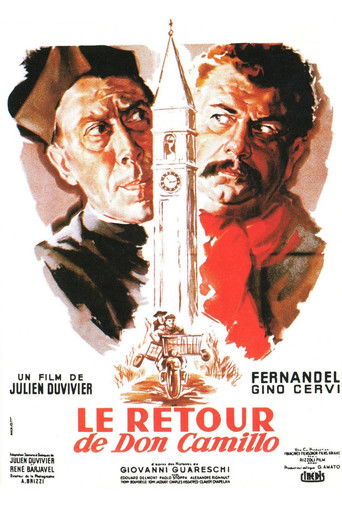
The Return of Don Camillo
Energetic priest Don Camillo returns to the town of Brescello for more political and personal duels with Communist mayor Peppone.
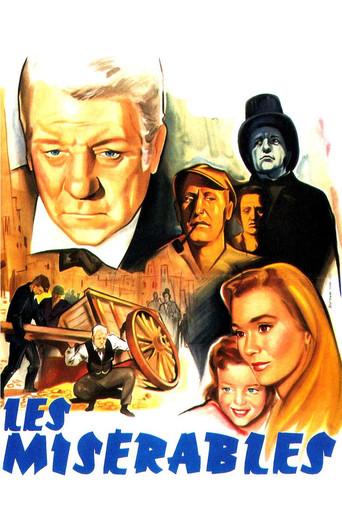
Les Misérables
In 19th century France, Jean Valjean, a man imprisoned for stealing bread, must flee a relentless policeman named Javert. The pursuit consumes both men's lives, and soon Valjean finds himself in the midst of the student revolutions in France.
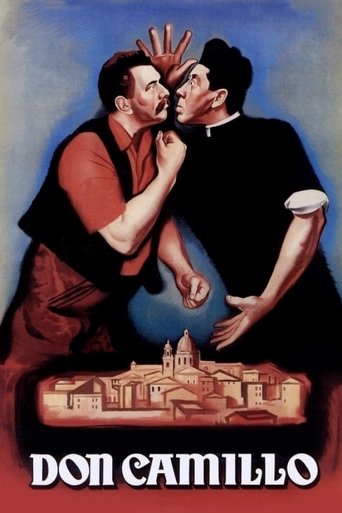
The Little World of Don Camillo
In a village of the Po valley where the earth is hard and life miserly, the priest and the communist mayor are always fighting to be the head of the community. If in secret, they admired and liked each other, politics still divided them as it is dividing the country. And when the mayor wants his "People's House"; the priest wants his "Garden City" for the poor. Division exist between the richest and the poorest, the pious and the atheists and even between lovers. But if the people are hard as the country, they are good in the bottom of there heart.
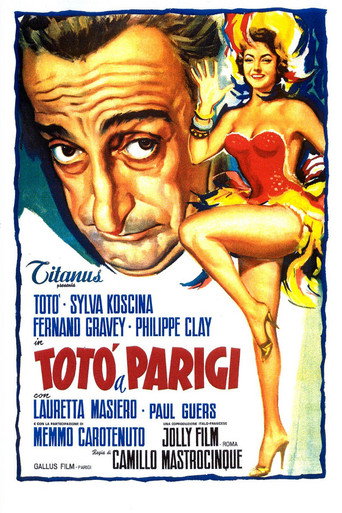
Toto in Paris
Duclos's son, a worldly gangster, is compromised in a case of which he is innocent. The proof of this innocence is in the hands of a "competitor", the Marquis de Chemantel de Beauvoiron, a misguided aristocrat. He asked for $ 10 million to cede the document. Duclos will then imagine Chemantel contracting $ 10 million in life insurance for his son. As he discovered in Rome a tramp, a look-alike of the marquis, he will bring this man to Paris and arrange for him to die accidentally.
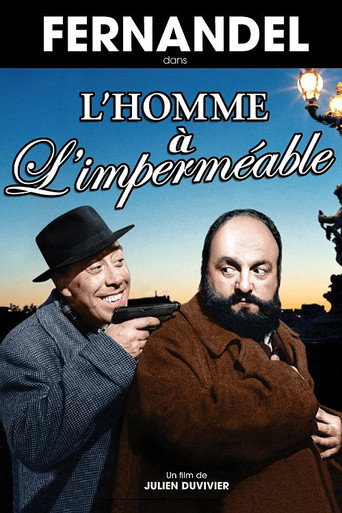
The Man in the Raincoat
In the absence of his wife, a clarinet player is induced by a friend to meet a call girl, but arrived after a crime. Perceived by some people leaving the scene of the crime covered by his raincoat, he became the only suspect for the police. His only hope is to discover the murderer before is name is mentionned publicly, specially in front of his wife.
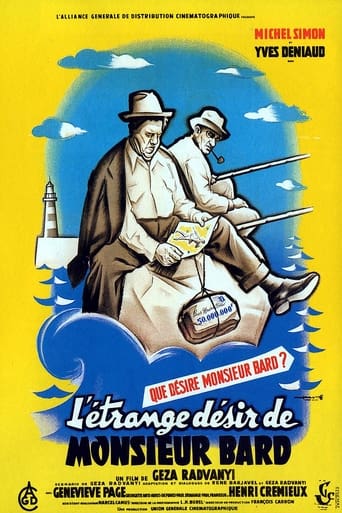
Strange Desire of Mr. Bard
A terminally ill Mr. Bard, a casino bus driver forced to quit his job, miraculously wins a fortune playing roulette. Instantly becoming a millionaire, he wants to fulfill his life's dream: to become a father. This plan is opposed by his greedy relatives who would go any low to take this money away from him. They are being led by a small-time crook. Mr. Bard's natural shyness and good heart lead him to the journey of self-exploration and finding his true love.
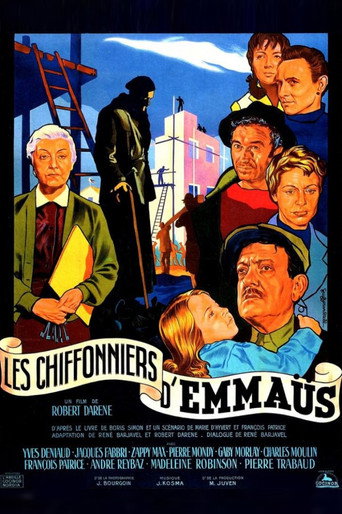
The Ragpickers of Emmaus
The Emmaüs community opened and functioned thanks to the generous impetus of Abbé Pierre Groues, bringing together a cross-section of the underprivileged: unemployed truck drivers, former paratroopers, young people leaving prison, etc., and underprivileged families. The "ragpickers" manage to make a bit of money by practicing the art of "chine", while the abbé tries his hand at winning radio games. The accident and death of one of them will unite the Emmaus companions even more.
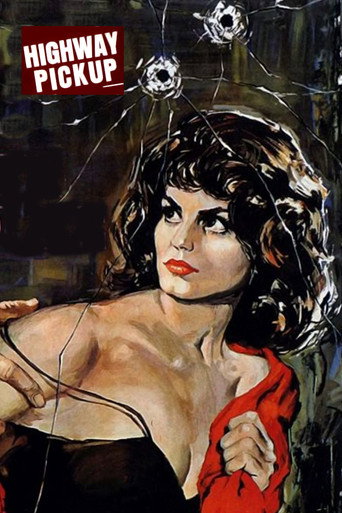
Highway Pick-Up
An escaped convict makes a remote gas station his safe haven. But soon the cunning, devious wife of the owner seeks a chance to use him to get what she wants.
Highway Pick-Up
An escaped convict makes a remote gas station his safe haven. But soon the cunning, devious wife of the owner seeks a chance to use him to get what she wants.
Gallery