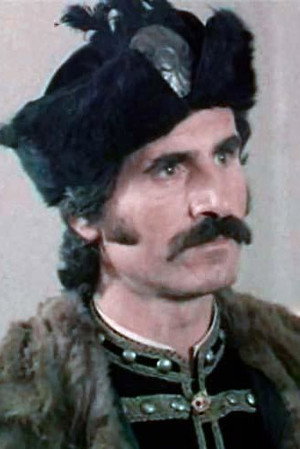
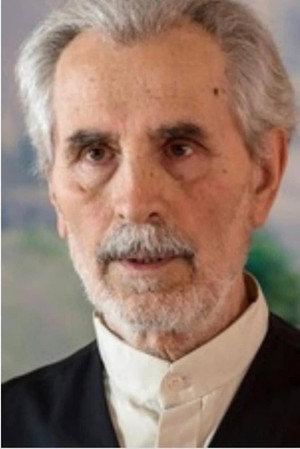
Remus Mărgineanu Movies, TV Shows, and Filmography
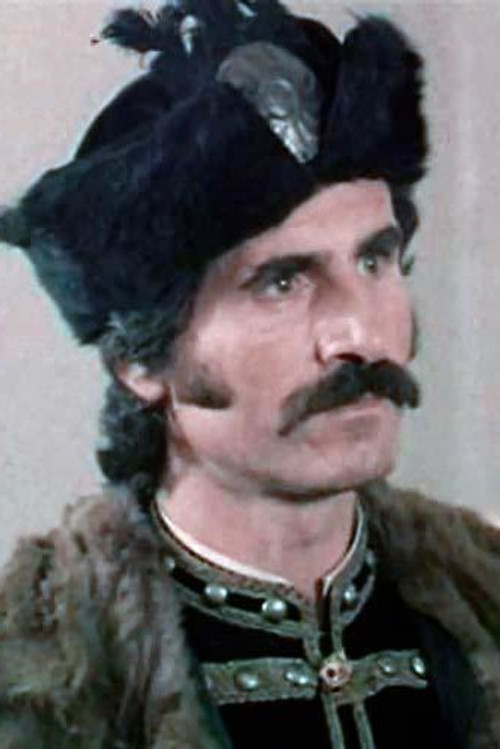
Remus Mărgineanu
Acting
Biography
No biography available.
Filmography Movies
Acting
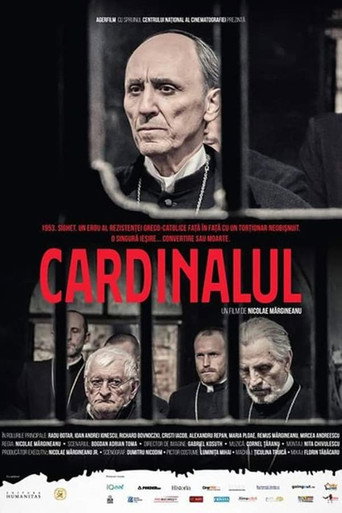
The Cardinal
In the fifties, the leaders of the Greek-Catholic church are arrested and sent to the Sighet prison.The soviet regime has banned any church except the orthodox. Tortured and dehumanized, the only choices are conversion or death. The bishop Iuliu Hossu stands up in front of the torturers and through courage and stature becomes an inspiration for the other priests.

Loverboy
Luca (20) seduces girls then leaves them in the hands of his friends at the Black Sea port of Constanta. Luca falls in love with Veli, one of his potential victims. It's summer down the Danube river, in Harsova. The music is loud, the cars are fancy, the girls are tanned and Veli runs away from home in Luca's bed. First love has never felt more dangerous.
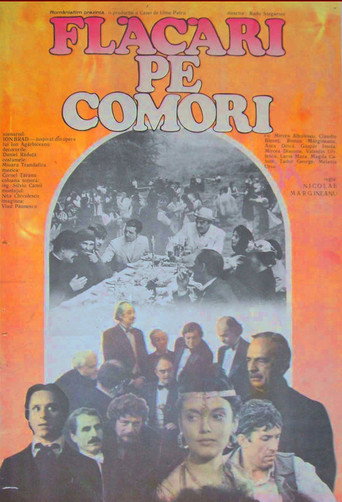
Flames Over Treasures
Deep in the Transylvanian Alps, the Archangels gold mine is the stage for an epic battle of characters. The arrogant owner is struggling with perceptions of ghosts in the mind of the miners. A maverick free-lance miner is helping him to find the source of terrifying noises that frightened his workers.
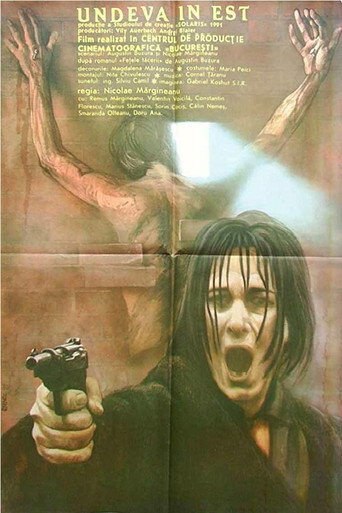
Undeva în Est
In the 1950s, a party activist travels to rural Transylvania to collec collectivize village farms. A wealthy householder resists attempts to make him give up his wealth, refusing to be brought down to the level of those who have never worked. The concept of collectivization is summed up by an indignant villager who, forced to work the land he no longer owns, bombards the party activist who claims that the land is still his: "You cut off my p..., put it in my hand and said, 'take it, it's still yours'.
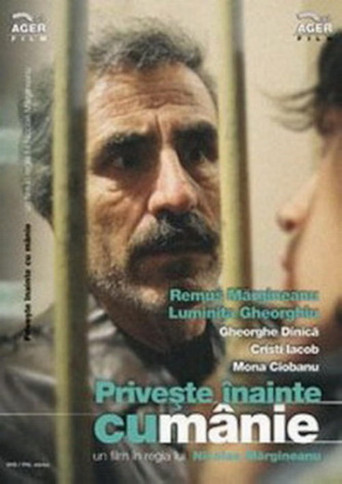
Look Ahead with Anger
After the revolution of December 1989, Romania is in full transition. Incertainty and chaos have followed Ceausescu's downfall. Fane, a worker in a wharf on the river Danube, is a former dissident who was in involved in politically motivated uprisings. Now that he has achieved what he has fought for, he is unemployed and everything around him seems to fall to pieces. His whole family falls victim to the changes of the early 90s. His daughter prostitutes herself, his elder son ends up in prison and his younger son becomes a thief.
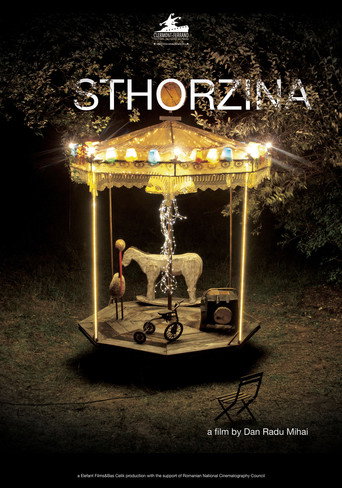
Sthorzina
Viorel is 12 years old boy and he lives with his grandfather near the Danube river. He helps his grandfather to fix the figurines of an old merry-go-round. Mirko is the son of the local police officer on the Serbian shore of the Danube. The two kids have a remote controlled small boat which they use to send each other various objects. When Viorel finds a gun in his grandfather's attic their lives will change.
Phalanstery
In the early 19th century the Romanian Theodor Diamant was inspired by the French utopian socialist Charles Fourier and established one of Fourier's "phalansteries" in Rumania. The film dramatizes the origins and demise of this effort, called the "Scaieni Phalanstery (the term is derived from "phalanx" and "monastery"). Among the socio-political commentary that is conveyed throughout, there is an important collusion between the army and the wealthy landowners of the time, and as the film points out in its own way, neither of these groups has ever been convicted of socialist/utopian tendencies.
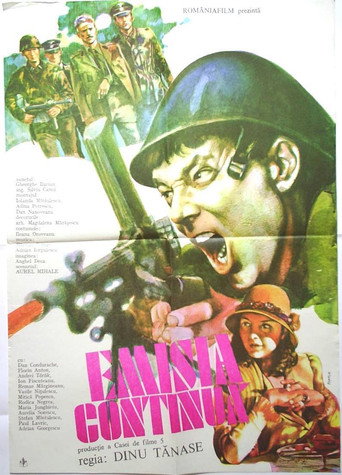
Emisia continuă
Based on actual events which happened at the Radio Romania station in Bod-Brasov, during the beginning of the revolution for social liberation and for the country's national liberation, an anti-fascist and anti-imperialist revolution, on August 23, 1944. After King Michael I ousts the Nazi-allied dictator Ion Antonescu, Nazi troops struggle to recapture the Radio Romania station, their former headquarters in an attempt to regroup their forces, but are opposed by a determined band of anti-fascist fighters.
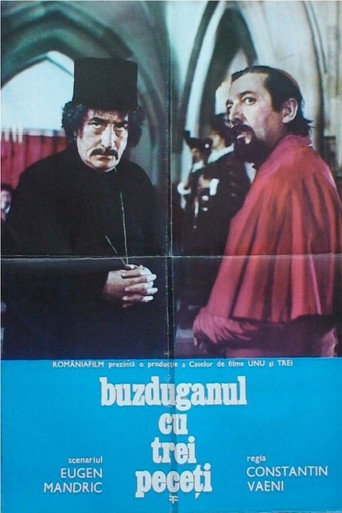
The Mace with Three Seals
At the end of the 16th century, Wallachia's ruler Michael the Brave dreams of uniting the kingdoms of Wallachia,Transylvania and Moldavia into a single country known as The United Principalities.
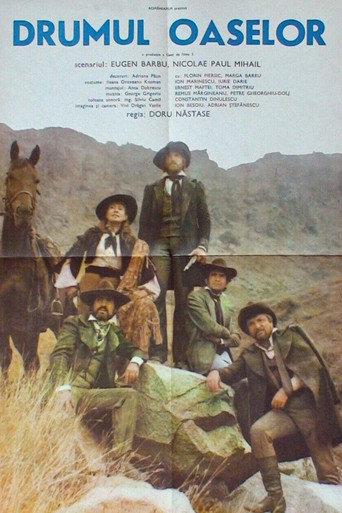
The Bone Srewn Road
Margelatu, the feared criminal helps the Romanian resistance to fight the dictatorial authorities.
Gallery