Directing
No biography available.
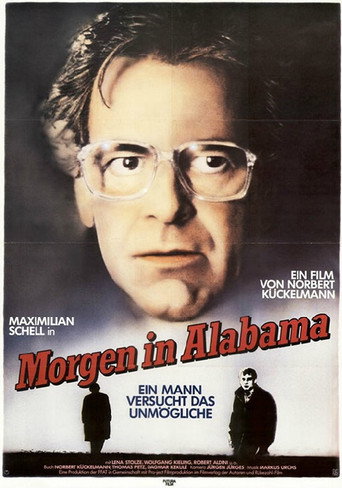
Shots are suddenly fired at a rally. A young man is arrested from the crowd. During questioning, he claims to have acted alone in order to make a statement. His court-appointed lawyer, Landau, suspects that his client is not telling him the truth. He begins to investigate the motives behind the crime and discovers that the boy is under the influence of extremist circles and ideas. But Landau cannot prove this influence of hatred and violence...
Only the chosen few know this woman who started working as a secretary for the German Film and Television Academy (DFFB) on 13 February, 1966. The path of Helen’s career is paved with famous names – including that of Wolfgang Petersen, Holger Meins (who later became a member of the Red Army Faction) as well as directors Wolfgang Becker, Detlev Buck and Christian Petzold. All have fond memories of forgetting their troubles after having poured their hearts out over a cup of coffee in Helene’s office – for Helene was both friend and advisor to countless film students.
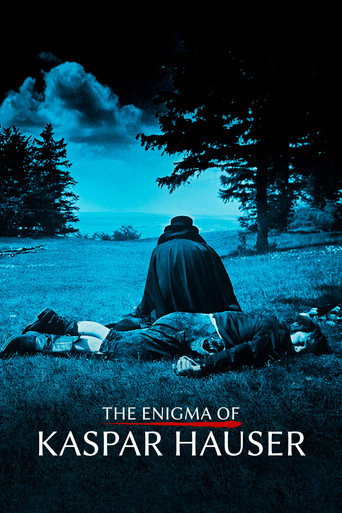
The film follows Kaspar Hauser, who lived the first seventeen years of his life chained in a tiny cellar with only a toy horse to occupy his time, devoid of all human contact except for a man who wears a black overcoat and top hat who feeds him.
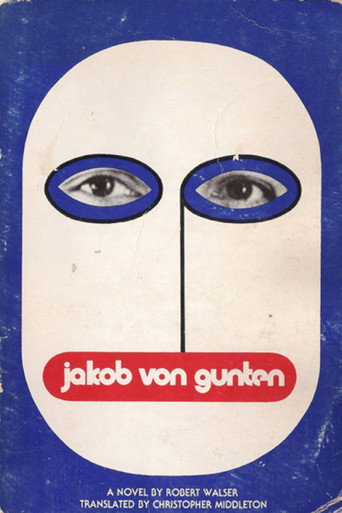
Adaptation of Robert Walser's novel about a young man who enters an oppressive servant school.
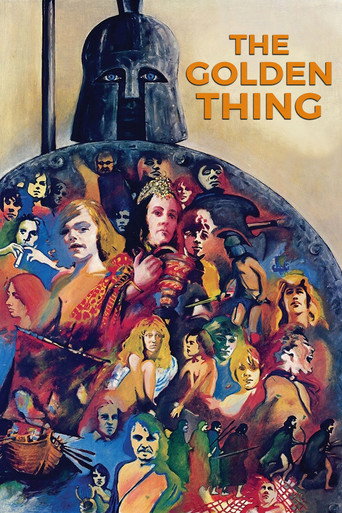
Eleven-year old Jason and his companions, including Hercules and Orpheus, go with the ship "Argo" in the search for the Golden Fleece. With wit and cunning to overcome various obstacles until they reach the destination of their fantastic journey. The experiment is not only due to the popularization or naive glorification of a myth, but the search space occupied by fact that the heroes of antiquity were actually very young.
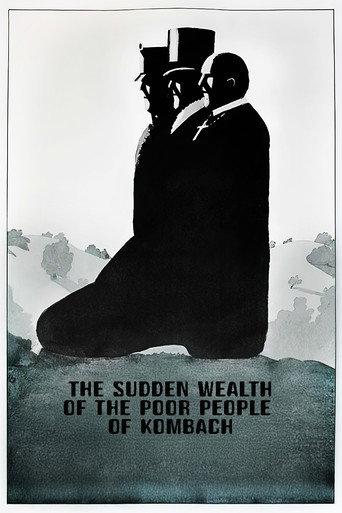
In an attempt to escape 19th-century poverty, eight farmers and day laborers attack a prince's money transport in the Hessian Hinterland.
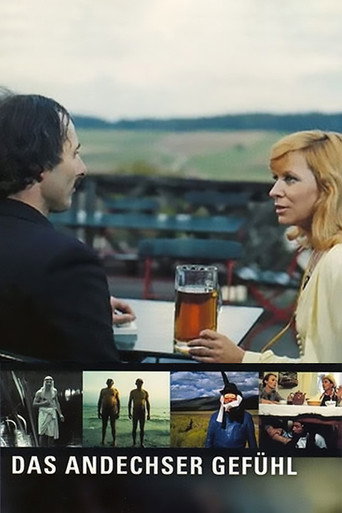
An anxious teacher (played, as is the lead role in all his films, by the director) sits in a beer garden on the hill of the Andechs monastery. While flies drown in his mug of beer, he confronts a life of failure: the wife he ignored, the child he neglected, the teaching duties he has shirked, and his doomed efforts at winning tenure from school officials. Only a dream from the past-the memory of a former liaison with a film star with whom he shared "the Andechs feeling, a feeling that we are not alone" - provides sustenance. Despite an unexpected series of events, longing in Achternbusch's world ultimately remains stronger than fulfilment and thirst better than beer.
An adaptation of the Henry James short story Les raisons de Georgina.
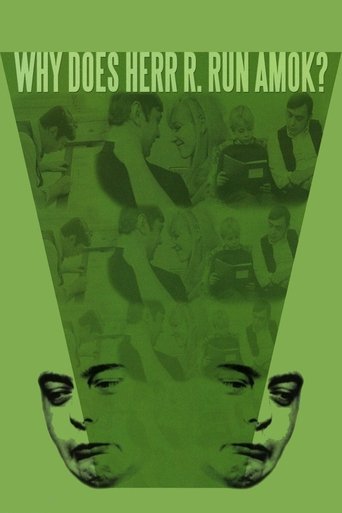
Technical draftsman Herr R. is a dependable guy. He gets along with his colleagues although his boss wants him to go beyond technical cleanliness to problem solving. He's a dutiful husband; his wife's a social climber and pressures him to seek a promotion, but they also share sweet moments. He's a caring father, helping his son with homework. His parents visit; his mother criticizes his wife. Old schoolmates drop by, as do neighbours. Some comment on his wife's expensive tastes. His promotion may be a long shot, especially after he gives a dull and tipsy toast at an office dinner. But why would Herr R. run amok?
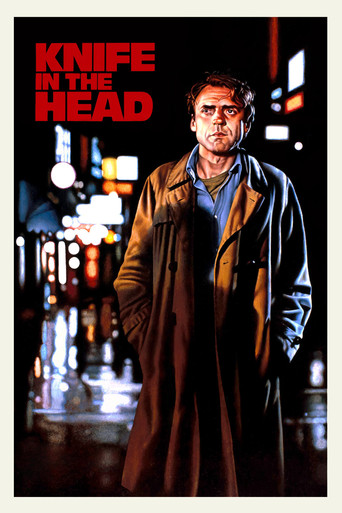
One night when seeking his estranged wife, Hoffmann goes to the youth center where she works. The police are there rounding up radicals who frequent the center - Hoffmann runs into the building and ends up being shot in the head. He awakens with brain trauma, partially paralyzed and unable to speak. The police accuse him of stabbing an officer; the radicals herald him as an innocent victim of police brutality. During his slow recovery at the hospital, Hoffmann must piece together his life and struggle to remember the events of that night.
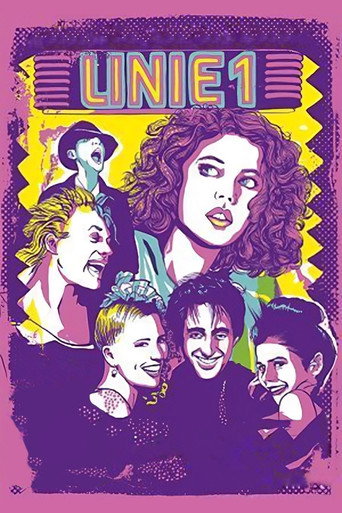
Film version of the musical by the same name: Sunnie, a girl from the province, comes to Berlin to meet rock star Johnnie who had given her his address after a concert. On the subway to Kreuzberg, Sunnie becomes acquainted with a couple of strange people, among them "asphalt cowboy" Bambi. Bambi tells Sunnie that Johnnie’s address in Kreuzberg does not exist. Together, Sunnie and Bambi try to find the rock star in bustling metropolitan Berlin.
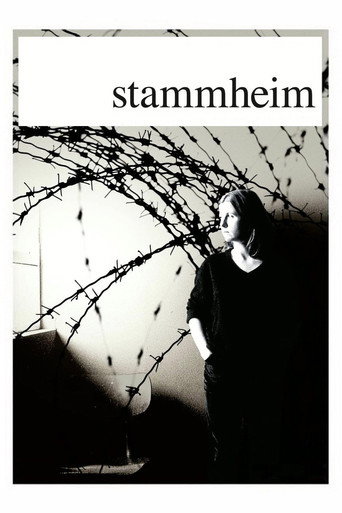
Based on the research for his non-fiction book "Der Baader-Meinhoff-Komplex", "Spiegel" journalist Stefan Aust wrote the screen play to Reinhard Hauff’s controversial feature film that re-narrates the startling trial against the RAF terrorists Baader, Meinhoff, Ensslin, and Raspe. The trial that started in May 1975 in the Stammheim maximum-security prison extended over 192 days and ended with a lifetime sentence for all defendants.
Nik, a released prisoner who started writing in prison, wants to leave his past behind him, but refuses to contact his former girlfriend and her family. Under the name of his jail buddy Henry, he moves in with his pen pal - who has never seen him - and is always watched suspiciously by their roommate. Nik began writing in prison and now seeks contact with the literary culture, even though he feels disgusted by the pompous fuss of this society. He is not without talent and works on a novel in which he minutely describes the abduction of an industrialist. Henry gets shot at the prison breakout and visits Nik to get help from him. He likes his novel plot and wants to put it into action.
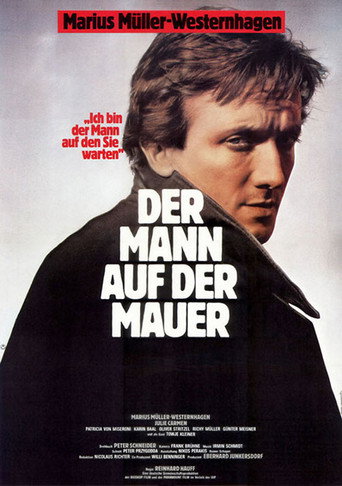
An East German man finds a way to cross the border between East and West Berlin. But when he succeeds in bringing his wife out as well, things are not quite as expected.
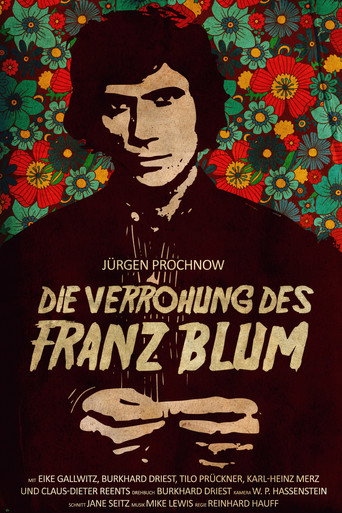
Born into a well-off family, Franz Blum had led a carefree youth until, some time after graduating from high school, he was arrested by the police. For, involved by a gang of bad boys, the young man had taken part in a bank robbery. A "heroic deed" which earned him six years in prison. Once behind bars, he was treated with ruthless inhumanity by the guards. And little by little - but inexorably - Franz turned into an insurgent...
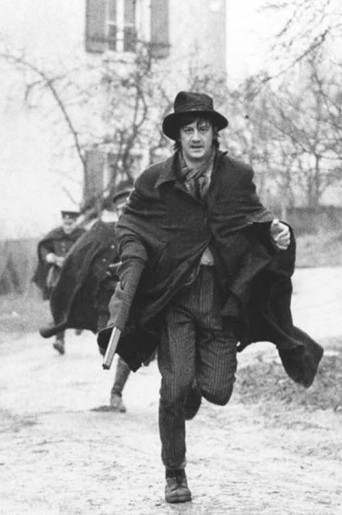
Inspired by the real-life events of Mathias Kneißl, a marginal man, son of poor farmers from Bavaria, in the late XIX century. Mathias stole from the rich to give to the poor, becoming a hero for the rural people and a popular social rebel. He was chased by the police until his unfortunate sentence.