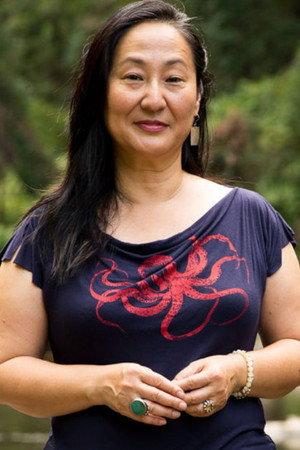
Rea Tajiri Movies, TV Shows, and Filmography
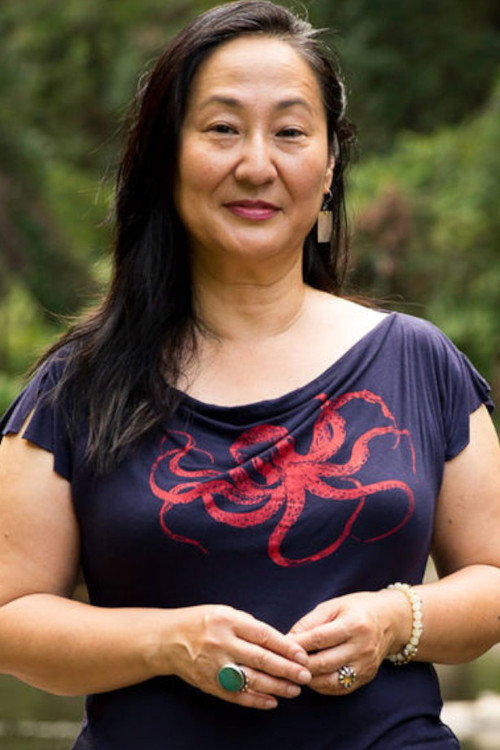
Rea Tajiri
Directing
Biography
Rea Tajiri is a Japanese American video artist, filmmaker and screenwriter, known for her personal essay film History and Memory: For Akiko and Takashige. Description above from the Wikipedia article Rea Tajiri, licensed under CC-BY-SA, full list of contributors on Wikipedia.
Filmography Movies
Production
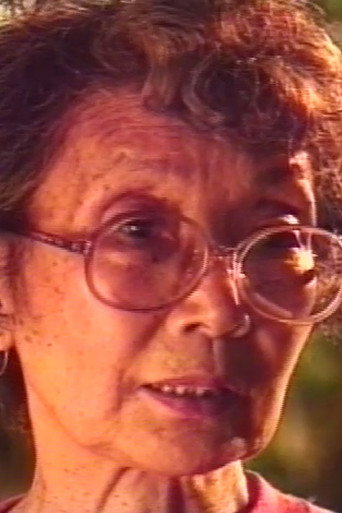
Yuri Kochiyama: Passion for Justice
Yuri Kochiyama was a Japanese American woman who lived in Harlem for more than 40 years and had a long history of activism on a wide range of issues. Through extensive interviews with family and friends, archival footage, music and photographs, YURI KOCHIYAMA chronicles this remarkable woman’s contribution to social change through some of the most significant events of the 20th century, including the Black Liberation movement, the struggle for Puerto Rican independence, and the Japanese American Redress movement. In an era of divided communities and racial conflict, Kochiyama offered an outstanding example of an equitable and compassionate multiculturalist vision.
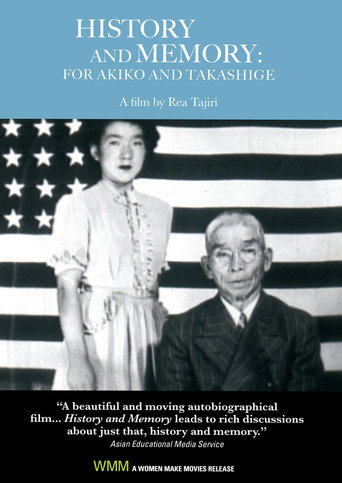
History and Memory: For Akiko and Takashige
This film is a poetic composition of recorded history and non-recorded memory. Filmmaker Rea Tajiri’s family was among the 120,000 Japanese and Japanese Americans who were imprisoned in internment camps after the attack on Pearl Harbor. And like so many who were in the camps, Tajiri’s family wrapped their memories of that experience in a shroud of silence and forgetting. This film raises questions about collective history – questions that prompt Tajiri to daringly re-imagine and re-create what has been stolen and what has been lost.
History and Memory: For Akiko and Takashige
This film is a poetic composition of recorded history and non-recorded memory. Filmmaker Rea Tajiri’s family was among the 120,000 Japanese and Japanese Americans who were imprisoned in internment camps after the attack on Pearl Harbor. And like so many who were in the camps, Tajiri’s family wrapped their memories of that experience in a shroud of silence and forgetting. This film raises questions about collective history – questions that prompt Tajiri to daringly re-imagine and re-create what has been stolen and what has been lost.
History and Memory: For Akiko and Takashige
This film is a poetic composition of recorded history and non-recorded memory. Filmmaker Rea Tajiri’s family was among the 120,000 Japanese and Japanese Americans who were imprisoned in internment camps after the attack on Pearl Harbor. And like so many who were in the camps, Tajiri’s family wrapped their memories of that experience in a shroud of silence and forgetting. This film raises questions about collective history – questions that prompt Tajiri to daringly re-imagine and re-create what has been stolen and what has been lost.
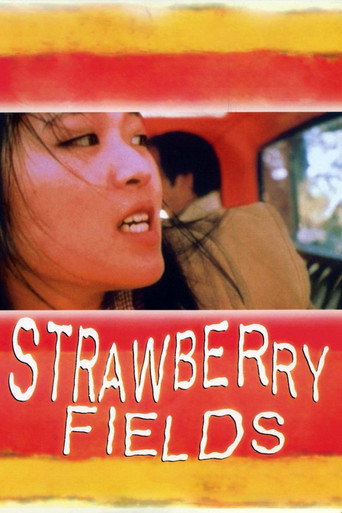
Strawberry Fields
After a visit from the ghost of her sister, a rebellious 16 year old Japanese American girl hits the road with her boyfriend in search of a better life. Hooking up with activist friends along the way, she comes to an important realization about her past: that her parents were incarcerated in an internment camp during World War II. She detours her road trip, ditches her boyfriend and drives off into the Arizona desert in a determined search for the truth that will set her free.
Strawberry Fields
After a visit from the ghost of her sister, a rebellious 16 year old Japanese American girl hits the road with her boyfriend in search of a better life. Hooking up with activist friends along the way, she comes to an important realization about her past: that her parents were incarcerated in an internment camp during World War II. She detours her road trip, ditches her boyfriend and drives off into the Arizona desert in a determined search for the truth that will set her free.
History and Memory: For Akiko and Takashige
This film is a poetic composition of recorded history and non-recorded memory. Filmmaker Rea Tajiri’s family was among the 120,000 Japanese and Japanese Americans who were imprisoned in internment camps after the attack on Pearl Harbor. And like so many who were in the camps, Tajiri’s family wrapped their memories of that experience in a shroud of silence and forgetting. This film raises questions about collective history – questions that prompt Tajiri to daringly re-imagine and re-create what has been stolen and what has been lost.
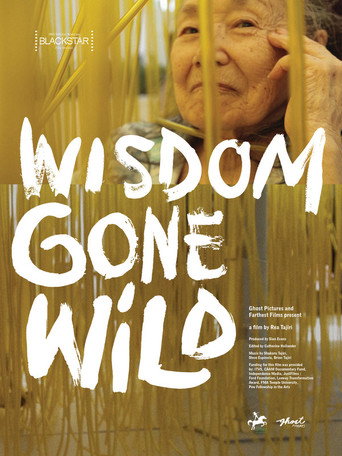
Wisdom Gone Wild
Ever since the onset of her dementia, reality, dream and nightmare have become intertwined for Rose, making her something like a maverick time traveler. Her filmmaker daughter Rea Tajiri is also her caregiver. In this fond portrait, she visualizes Rose’s spiritual, philosophical and sometimes surprisingly specific stories in the order they come: a non-linear sequence illustrated by her own footage shot over many years, accompanied by snatches of conversations and images from the family archive. Rose’s eventful journey through time is rich with memories and sensitively accompanied by a fitting soundtrack.
Wisdom Gone Wild
Ever since the onset of her dementia, reality, dream and nightmare have become intertwined for Rose, making her something like a maverick time traveler. Her filmmaker daughter Rea Tajiri is also her caregiver. In this fond portrait, she visualizes Rose’s spiritual, philosophical and sometimes surprisingly specific stories in the order they come: a non-linear sequence illustrated by her own footage shot over many years, accompanied by snatches of conversations and images from the family archive. Rose’s eventful journey through time is rich with memories and sensitively accompanied by a fitting soundtrack.
Wisdom Gone Wild
Ever since the onset of her dementia, reality, dream and nightmare have become intertwined for Rose, making her something like a maverick time traveler. Her filmmaker daughter Rea Tajiri is also her caregiver. In this fond portrait, she visualizes Rose’s spiritual, philosophical and sometimes surprisingly specific stories in the order they come: a non-linear sequence illustrated by her own footage shot over many years, accompanied by snatches of conversations and images from the family archive. Rose’s eventful journey through time is rich with memories and sensitively accompanied by a fitting soundtrack.
Gallery