Directing
Raya Martin was born in 1984 in Manila, Philippines. He is a director and writer, known for Independencia (2009), Autohystoria (2007) and La última película (2013).
Four cinephiles in a hotel room in the middle of the night ruminate on La última película, Dennis Hopper, and the state of cinema.
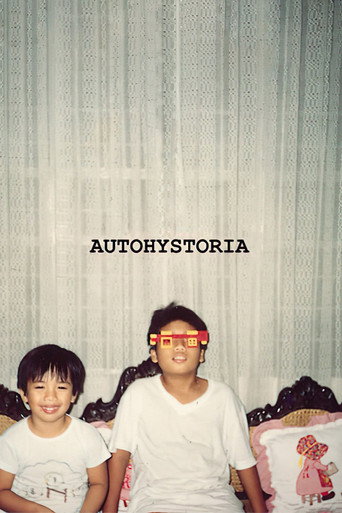
Filmmaker John Torres describes his childhood and discusses his father's infidelities.
August 11th 2011 was one of the best days of my life: I had a trip with my father to Locarno, where I met and interviewed Raya Martin, a director I deeply respect and admire – definitely one of my heroes. My first idea was to produce the classical “auteur profile” documentary (full-coverage interview occasionally featuring archive images), but since I was having such an inspiring and exciting chat with Raya I realized that the “institutional” approach was way too cold and inappropriate: why not present a film theory essay as if it was a home movie? After all, it was me and my father on a holiday trip... Thus, in my little, amateurish instant-movie I applied Raya's “autohystoric” (autohysteric?) method as naively as possible, hoping to put forward a manifesto for a cinema lived on your own skin.
Documentary profiling the directors involved in the loose Philippine New Wave filmmaking movement.
A news team investigating rumors of aswang killings in a remote barrio are attacked by a group of soldiers, forcing them to run for their lives in the deeps of the forest, where more mystery and danger lay in wait.
A nursery rhyme hovers over shadowy fragments of time, of arrivals and departures and the illusion of passage they evoke.
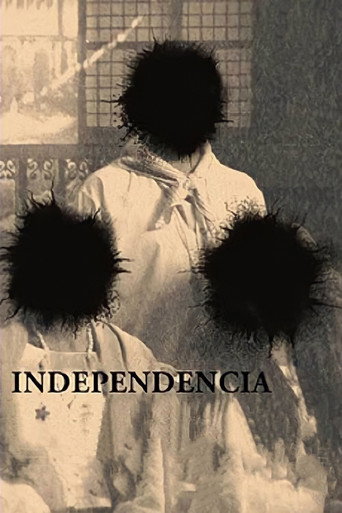
What follows is a black-and-white silent film set in the 1890s during the brewing Filipino revolution against Spanish colonialism. A series of tragic and comic sequences tells the Three Ages of an Indio (“common man”) as he progresses from boy bell ringer in a village church to teenage revolutionary to adult theater actor rehearsing a popular Spanish play.
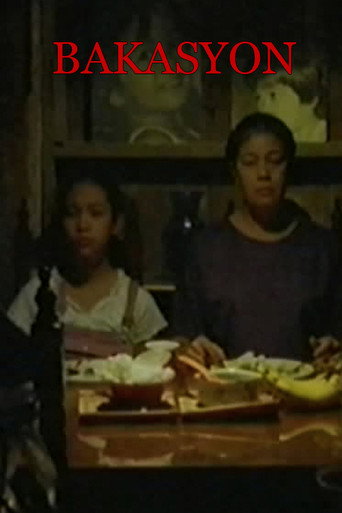
Raya Martin's award-winning short film Bakasyon is about a young girl who goes to the province to take care of her grandma, where she discovers strange and mysterious things about her lola's identity. The 15-minute film won the Ishmael Bernal Award for Young Cinema at the Cinemanila in 2004.
Mix-mastering history, the paranoid thriller, the documentary and the landscape film, pic tells of very different fates for two sets of brothers in oppressive Philippine settings.
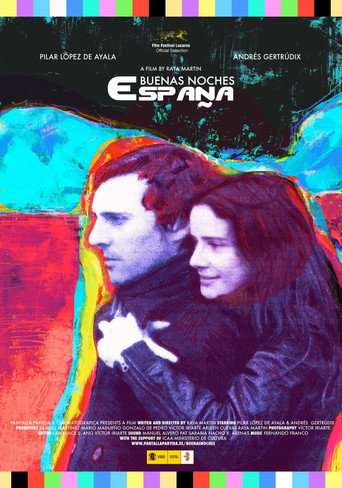
In another lifetime, a Spanish couple takes drugs and teleports through their television set. A troubled young man travels through the countryside and meets a lost woman. During the trip, they discover a museum housing the expatriated paintings of the most important Filipino artist of the revolution. Eventually, the Spanish couple disappears toward their colony. Inspired by one of the earliest teleportation accounts, which happened between the Philippines and Mexico during the colonial period.
Early 20th century Philippines. The sounds of war signal the arrival of the Americans. A mother and son flee to the mountains, hoping for a quiet life. One day, the son discovers a wounded woman in the middle of the forest, and decides to bring her home.
A tribute to filmmakers and National Artists Lino Brocka and Ishmael Bernal. In the "Day" segment, Piolo Pacual portrays the role of William, a drug addict who tries to rebuild his sense of self and reconnect with the people around him. For the "Night" segment, Pascual portrays the role of Philip, who works as a bodyguard for a mayor's son. The bodyguard believes that his boss considers him as part of the family but after a shooting incident, he realizes his real worth to his boss. As he struggles to hide, he is slowly consumed by the claws of darkness lurking the city.