Rashid Johnson Movies, TV Shows, and Filmography
Rashid Johnson
Directing
Biography
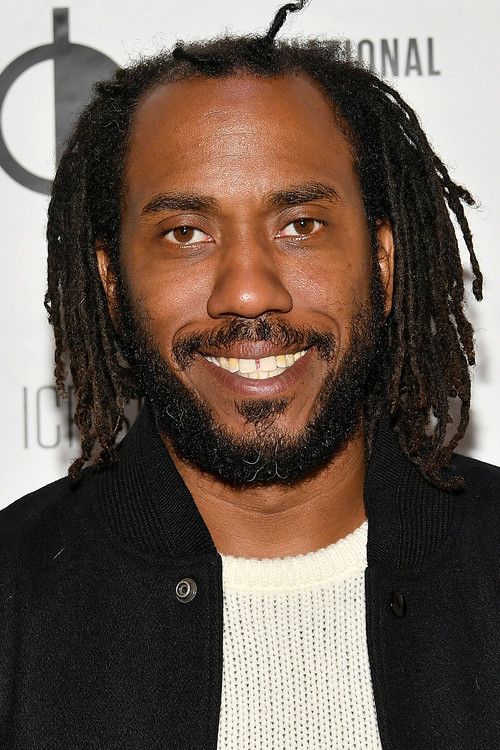
Rashid Johnson (born 1977) is an American artist who produces conceptual post-black art.Johnson first received critical attention when examples of his work were included in the exhibition "Freestyle," curated by Thelma Golden at the Studio Museum in Harlem in 2001—when he was 24.He has studied at Columbia College Chicago and the School of the Art Institute of Chicago. His work has been exhibited around the world and he is held in collections of many of the world's leading art museums. His directorial debut "Native Son" an adaptation of the Richard Wright novel from the same debuted in the 2019 edition of the Sundance Film Festival. Description above from the Wikipedia article Rashid Johnson, licensed under CC-BY-SA, full list of contributors on Wikipedia.
Filmography Movies
Acting
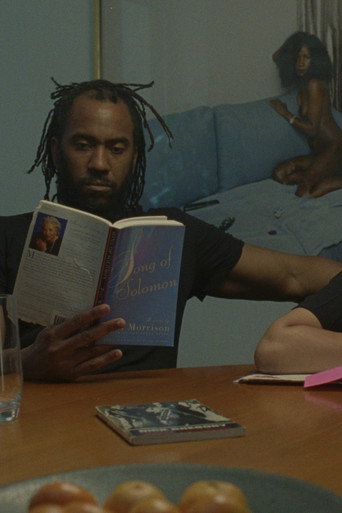
Black and Blue
On the surface, Black and Blue appears to be a “day in life” of a protagonist, played by Johnson. It begins with him waking up in bed and getting ready in the bathroom. Filmed in his home and featuring his family, Black and Blue takes its title from the Fats Waller jazz standard (popularized by Louis Armstrong), which can be heard in the video (played on the piano by Johnson’s son). The film is also connected to Johnson’s work and artistic practice, showing interspersed clips of his own as well as artworks by other Black artists (like Deana Lawson), books ( like Roy deCarava), and traditional African masks in his home.
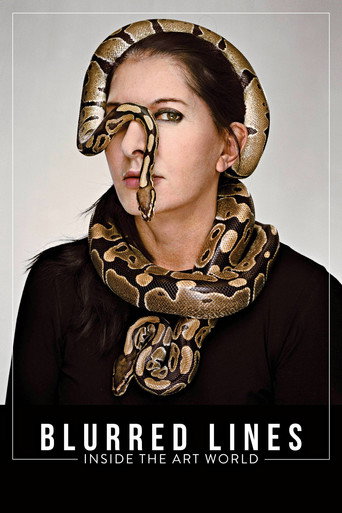
Blurred Lines: Inside the Art World
As one art scene insider proclaims, the contemporary art world can be summed up as “rich people trying to prove how rich they are,” but is that all there is to this billion dollar industry? Well-researched and expertly constructed, Barry Avrich’s eye-opening documentary peels back the layers of the art world economy- from production to circulation, and delineates every integral player in the game of art-making, including curators, gallerists, collectors, donors, auction houses, and … artists. In the process, he unpacks the complex and surprising ecosystem that supports the art world superstars and million-dollar deals that make front-page news. Featuring extraordinary access to industry players and candid statements from prominent artists like Damien Hirst, Julian Schnabel, Taryn Simon, and Marina Abramovic, Blurred Lines collides the two narratives of the art world as both above and beholden to market forces.
Picasso Baby
Jay Z performs Picasso Baby at the Museum of Modern Art in NYC.
Production
Black and Blue
On the surface, Black and Blue appears to be a “day in life” of a protagonist, played by Johnson. It begins with him waking up in bed and getting ready in the bathroom. Filmed in his home and featuring his family, Black and Blue takes its title from the Fats Waller jazz standard (popularized by Louis Armstrong), which can be heard in the video (played on the piano by Johnson’s son). The film is also connected to Johnson’s work and artistic practice, showing interspersed clips of his own as well as artworks by other Black artists (like Deana Lawson), books ( like Roy deCarava), and traditional African masks in his home.
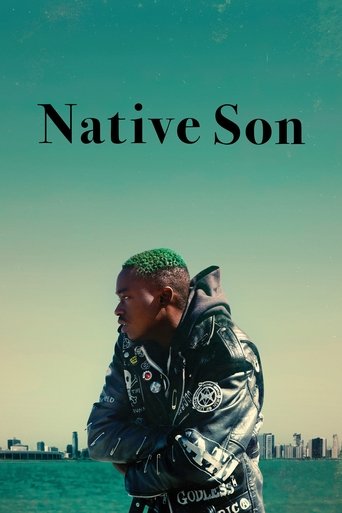
Native Son
A young black man named Bigger Thomas takes a job working for a highly influential Chicago family, a decision that will change the course of his life forever.
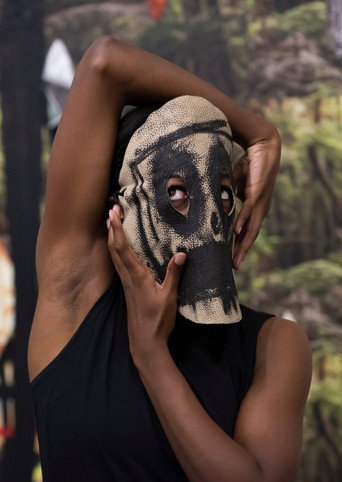
The Hikers
Seven minutes in length, the film features two black male hikers — one ascending a mountain, another descending — who encounter each other as their paths cross. Their balletic movements are at once lithe and halting, athletic and awkward, challenging stereotypical notions of the forever rhythmic elegance of the black body in space.
Sanguine
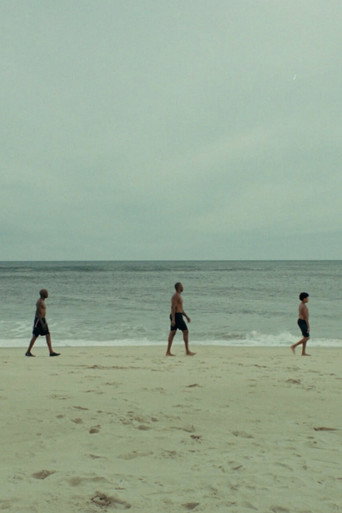
In the film “Sanguine”, the divine and anima in all things is a strong undertone. Nature is very present: the ocean, flowers, trees, the heat of the sun and that vibrant red color is felt. The color also evokes the notion of family. The figures that inhabit the film are Johnson, his son Julius, and his father Jimmie. Through these generations Johnson allows you to see across time, to feel time and the cycle of life.
The New Black Yoga
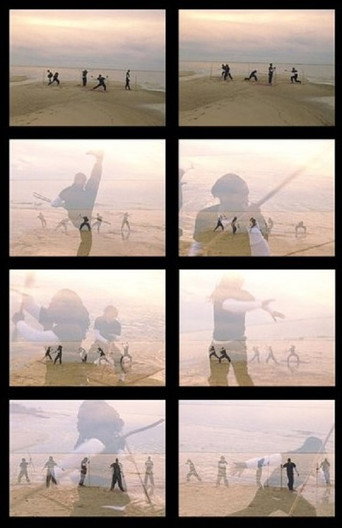
Rashid Johnson’s installations frequently take the form of embellished support structures that display found objects, imbuing them with a new significance that hovers between the archaeological and the talismanic. These collections of items—which together build an iconography that spans literature, music, intellectual history, and echoes of the artist’s childhood in Chicago—reflect deeply personal references interwoven with pervasive cultural narratives.
Gallery