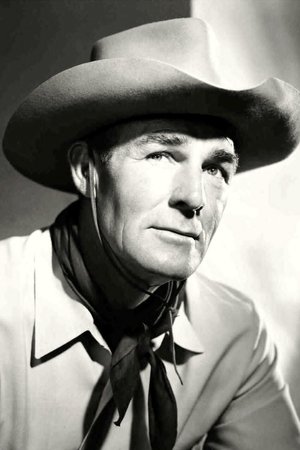
Randolph Scott Movies, TV Shows, and Filmography
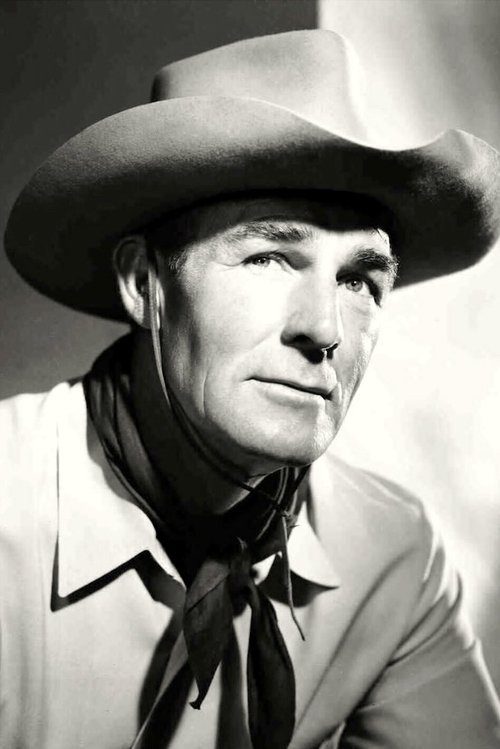
Randolph Scott
Acting
Biography
George Randolph Scott (January 23, 1898 – March 2, 1987) was an American actor, best known for his roles in Western films. His career spanned from 1928 to 1962, during which he appeared in over 100 films, with more than 60 of them being Westerns. Scott was raised in Charlotte, North Carolina, in a wealthy family. His father, George Grant Scott, was the first certified public accountant (CPA) in North Carolina, and his mother, Lucille Crane Scott, came from a prominent Virginia family. He attended private schools and excelled in sports, including football, baseball, horse racing, and swimming. During World War I, Scott enlisted in the North Carolina National Guard and later served in France as part of the U.S. Army’s 2nd Trench Mortar Battalion. After the war, he trained as an artillery officer before returning to the United States. Scott initially pursued a career in textile engineering, but his interest in acting led him to Hollywood in the late 1920s. He landed minor roles before securing a contract with Paramount Pictures, where he met Cary Grant on the set of Hot Saturday (1932). The two actors became close companions, sharing a home for several years, which led to speculation about their relationship. Scott and Grant lived together for over a decade, first in a Los Angeles apartment, then in a Beverly Hills home, and later in a Santa Monica beach house. Their close bond was widely discussed in Hollywood, with some believing they were romantically involved, though neither actor ever publicly confirmed this. Photos from the time show them laughing, exercising, cooking, and spending time together, fueling further speculation. Scott’s career flourished in the 1930s and 1940s, with roles in dramas, comedies, musicals, war films, and adventure movies. However, it was in the Western genre that he truly became a box-office star, particularly in the 1950s. His collaborations with director Budd Boetticher in films like Ride Lonesome (1959) and Comanche Station (1960) are considered classics of the genre. Scott was married twice: first to Marion DuPont (1936–1939) and later to Patricia Stillman (1944–1987), with whom he adopted two children. Despite his Hollywood success, he was known for his private nature, preferring to avoid industry events and publicity. After retiring in 1962, Scott focused on business investments, amassing a fortune that allowed him to live comfortably until his passing on March 2, 1987, at the age of 89. Scott remains one of Hollywood’s greatest Western stars, with his stoic, rugged persona influencing generations of actors. His films continue to be celebrated for their authentic portrayal of the American frontier.
Filmography Movies
Acting
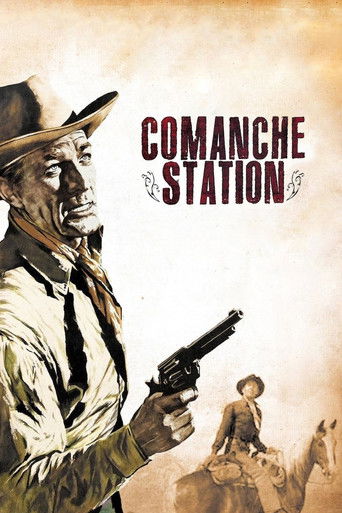
Comanche Station
A white man trades with the Comanche for the release of a female stranger and the pair cross paths with three outlaws who have their eyes on the handsome reward for bringing her home and Comanche on the warpath.
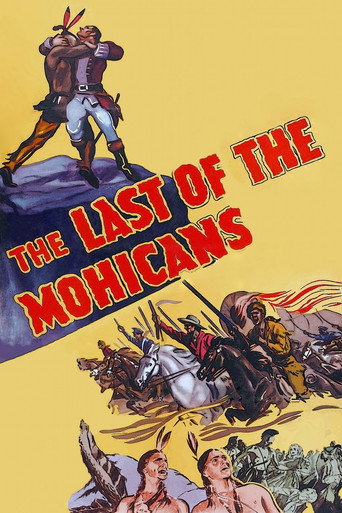
The Last of the Mohicans
The story is set in the British province of New York during the French and Indian War, and concerns—in part—a Huron massacre (with passive French acquiescence) of between 500 to 1,500 Anglo-American troops, who had honorably surrendered at Fort William Henry, plus some women and servants; the kidnapping of two sisters, daughters of the British commander; and their rescue by the last Mohicans.
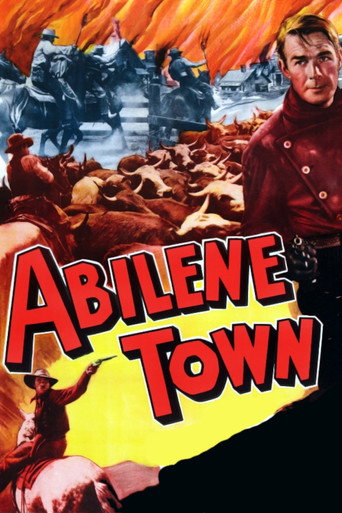
Abilene Town
Marshall Dan Mitchell, who is the law in Abilene, has the job of keeping peace between two groups. For a long time, the town had been divided, with the cattlemen and cowboys having one end of town to themselves, while townspeople occupied the other end. Mitchell liked it this way, it made things easier for him, and kept problems from arising between the two factions. However…
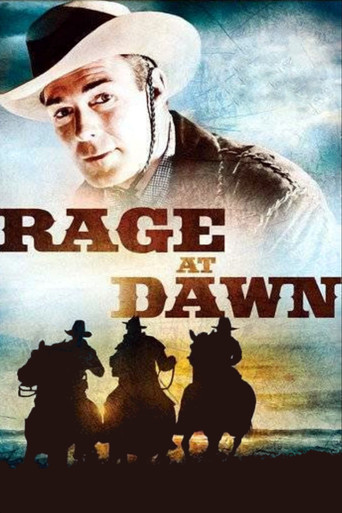
Rage at Dawn
In this film's version of the story, four of the Reno Brothers are corrupt robbers and killers while a fifth, Clint is a respected Indiana farmer. A sister, Laura, who has inherited the family home, serves the outlaw brothers as a housekeeper and cook. One brother is killed when they go after a bank, the men of the town appear to have been waiting for them…
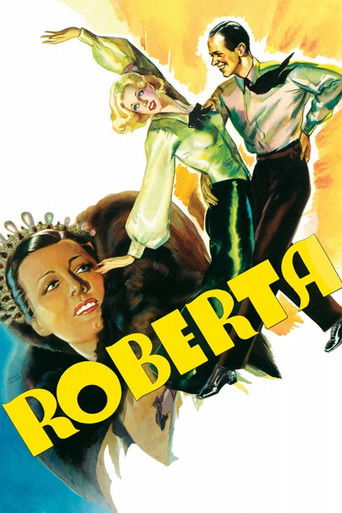
Roberta
Football player John Kent tags along as Huck Haines and the Wabash Indianians travel to an engagement in Paris, only to lose it immediately. John and company visit his aunt, owner of a posh fashion house run by her assistant, Stephanie. There they meet the singer Scharwenka (alias Huck's old friend Lizzie), who gets the band a job. Meanwhile, Madame Roberta passes away and leaves the business to John and he goes into partnership with Stephanie.
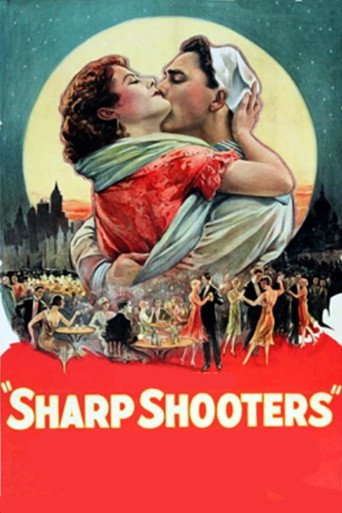
Sharp Shooters
A "love-'em-and-leave-'em" sailor hooks up with a dance-hall girl in Paris while waiting for his ship to sail. She falls in love with him, and when his ship leaves port she decides to show up at its next stop and reunite with her lover. However, when she arrives at the ship's next destination, she discovers that her "lover" has already found another local girl to spend his time with. Complications ensue.
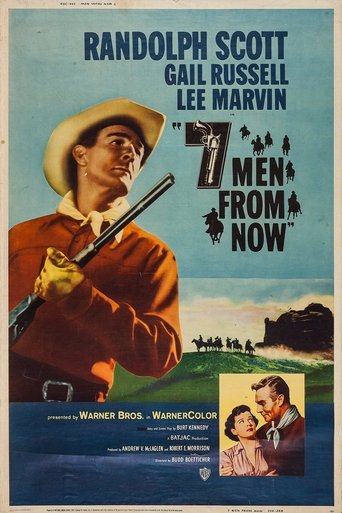
7 Men from Now
A former sheriff relentlessly pursuing the 7 men who murdered his wife in Arizona crosses paths with a couple heading to California.
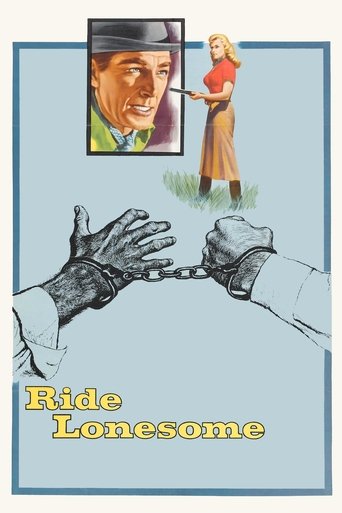
Ride Lonesome
On the way to pick up the bounty on a wanted murderer, a bounty hunter stops at a staging post where he is forced to continue his journey with two outlaws who want the murderer for their own reasons and a recently-widowed woman, with the murderer's brother and his men in hot pursuit.
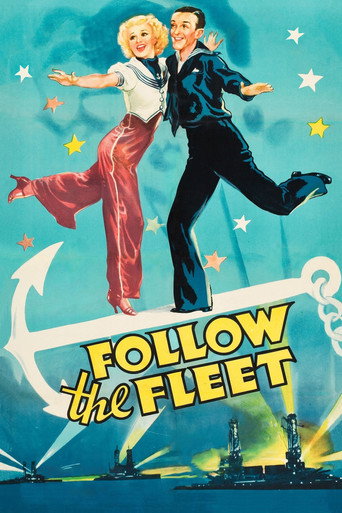
Follow the Fleet
When the US Navy fleet docks at San Francisco, sailor Bake Baker tries to rekindle the flame with his old dancing partner, Sherry Martin, while Bake's buddy Bilge Smith romances Sherry's sister, Connie. But it's not all smooth sailing—Bake has a habit of losing Sherry's jobs for her and, despite Connie's dreams, Bilge is not ready to settle down.
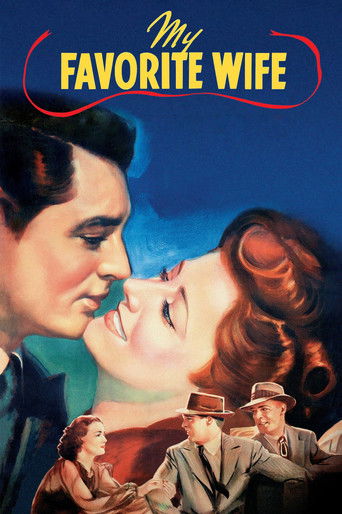
My Favorite Wife
Years after she was presumed dead in a shipwreck, Ellen Arden returns home to the surprise of her husband recently remarrying. But he too gets a shock when he learns that Ellen spent her time alone on an island with another man.
Production
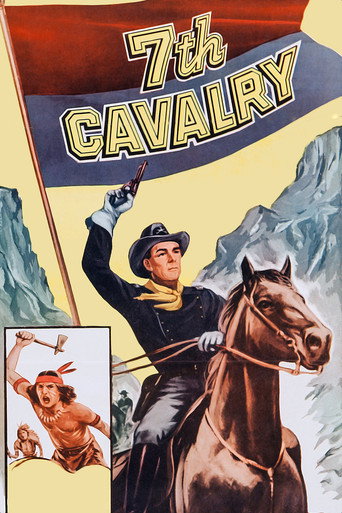
7th Cavalry
An officer accused of cowardice volunteers to bring back General Custers's body after Little Big Horn.
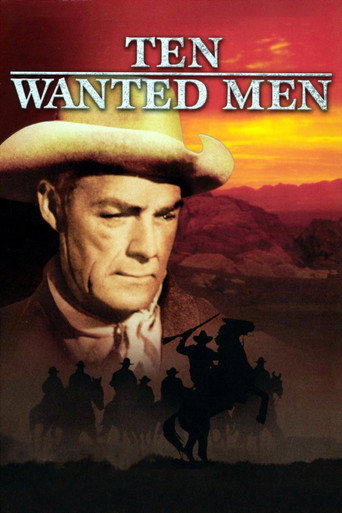
Ten Wanted Men
When his ward seeks protection with rival cattleman John Stewart, embittered, jealous rancher Wick Campbell hires ten outlaws to help him seize power in the territory.
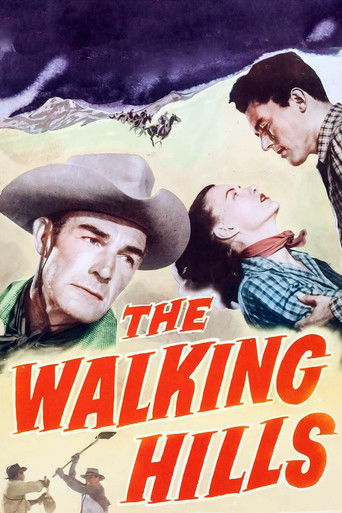
The Walking Hills
A study in greed in which treasure hunters seek a shipment of gold buried in Death Valley.
Ride Lonesome
On the way to pick up the bounty on a wanted murderer, a bounty hunter stops at a staging post where he is forced to continue his journey with two outlaws who want the murderer for their own reasons and a recently-widowed woman, with the murderer's brother and his men in hot pursuit.
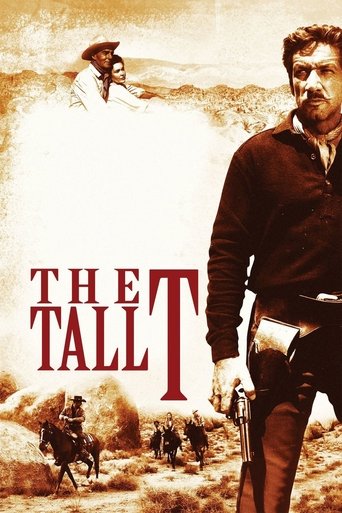
The Tall T
An independent former ranch foreman and an heiress are kidnapped by a trio of ruthless outlaws.
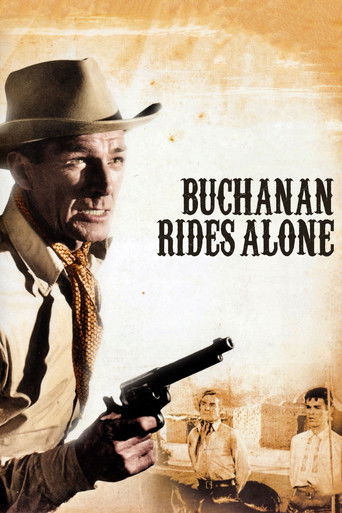
Buchanan Rides Alone
Passing through a border town, a man is caught up in a Mexican's murder of a member of the town's most powerful family.
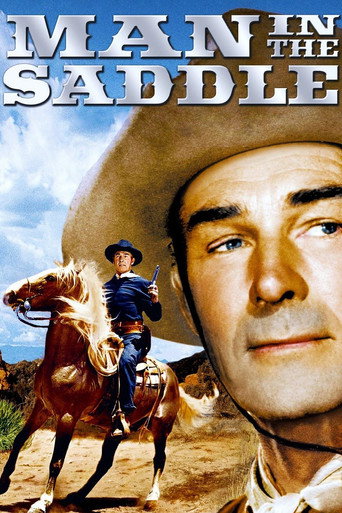
Man in the Saddle
A small rancher is being harassed by his mighty and powerful neighbor. When the neighbor even hires gunmen to intimidate him he has to defend himself and his property by means of violence.
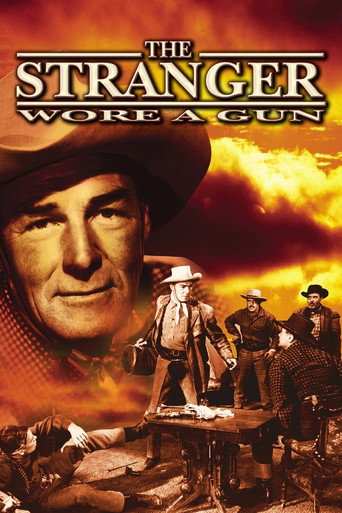
The Stranger Wore a Gun
Having been a spy for Quantrill's raiders during the Civil War, Jeff Travis thinking himself a wanted man, flees to Prescott Arizona where he runs into Jules Mourret who knows of his past. He takes a job on the stage line that Mourret is trying to steal gold from. When Mourret's men kill a friend of his he sets out to get Mourret and his men. When his plan to have another gang get Mourret fails, he has to go after them himself.
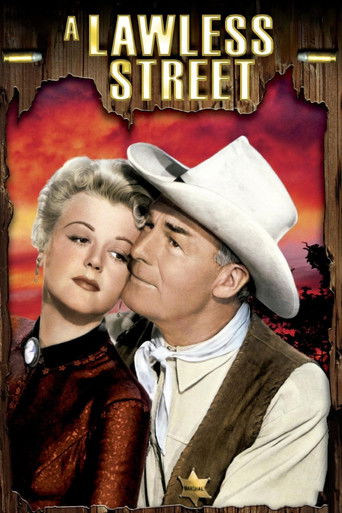
A Lawless Street
A Marshal must face unpleasant facts about his past when he attempts to run a criminal gang out of town.
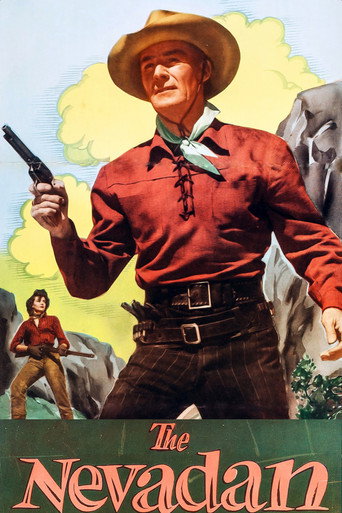
The Nevadan
A mysterious stranger crosses paths with an outlaw bank robber and a greedy rancher.
Gallery