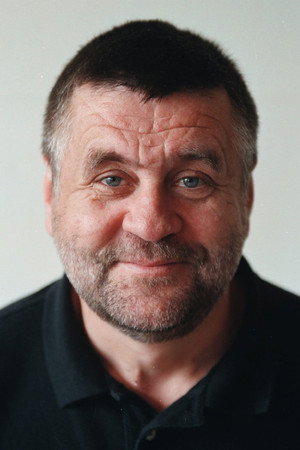
Rajko Grlić Movies, TV Shows, and Filmography
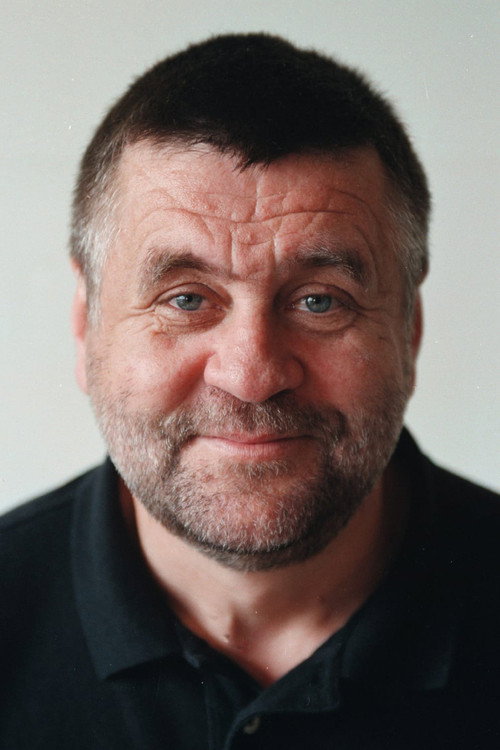
Rajko Grlić
Writing
Biography
Rajko Grlić (born 2 September 1947) is a Croatian film director, producer and screenwriter. He is a professor of film theory at Ohio University and artistic director of the Motovun Film Festival in Motovun, Croatia. Rajko Grlić was born in 1947 in Zagreb, FPR Yugoslavia. His father was Danko Grlić, a famous Croatian philosopher. Grlić's family by his father's side came to Zagreb from Schwarzwald, Germany in the 19th century, while his mother Eva (née Izrael) is from a Jewish family in Sarajevo. He graduated from the Film Faculty of the Academy of Performing Arts in Prague (FAMU) at the same time as Emir Kusturica, a Bosnian film director. During the Croatian War of Independence, Grlić moved to the USA. In 2017, Grlić signed the Declaration on the Common Language of the Croats, Serbs, Bosniaks and Montenegrins. Description above from the Wikipedia article Rajko Grlić, licensed under CC-BY-SA, full list of contributors on Wikipedia.
Filmography Movies
Acting
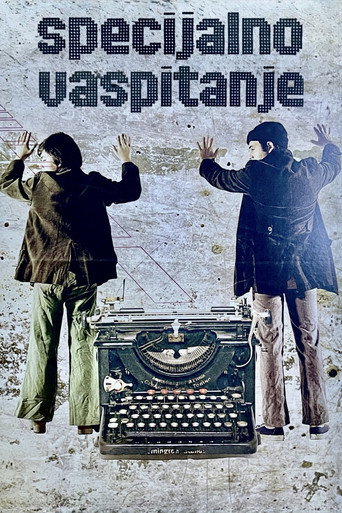
Special Education
Educator and those educated in a home for juvenile delinquents in the same test: approach, take a peek into his soul to become a man. The story of a minor, neglected boys-offenders and their teachers who try to reject the old methods of rehabilitation.
Us from Prague
Students from the Prague Academy of Film (FAMU) talk about their life in Prague. Filmed in Prague in 1968, a few months before the Russian invasion of Czechoslovakia.
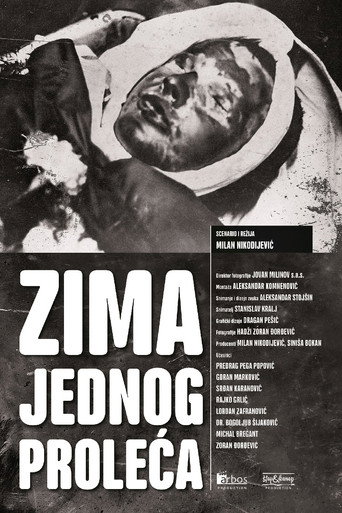
Winter of One Spring
Predrag Popovic, Goran Markovic, Srdjan Karanovic, Rajko Grlic and Lordan Zafranovic talk about the Russian intervention in Czechoslovakia in 1968.
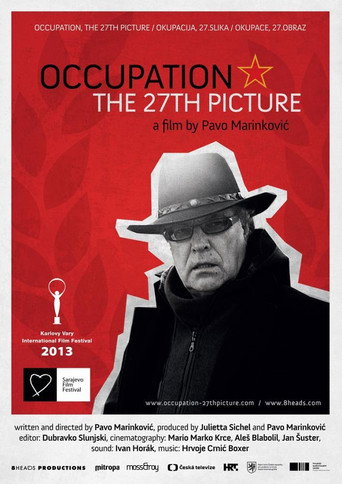
Occupation, the 27th Picture
We encounter the controversial Croatian film director Lordan Zafranovic in voluntary exile in Prague. The film follows his rise from a talented outsider to the celebrated Yugoslav director of the acclaimed war film, 'An Occupation in 26 Pictures'. His life story is an unconventional depiction of a rise and fall that reveals compromises made in order to survive artistically during communism, as well as the missed opportunities and miscalculations that led to his inability to adapt in later years. Is the charismatic Zafranovic a national traitor or a victim of historical circumstances in which the only thing he wanted to do, in his own words, was to be himself and make films?
Production
Us from Prague
Students from the Prague Academy of Film (FAMU) talk about their life in Prague. Filmed in Prague in 1968, a few months before the Russian invasion of Czechoslovakia.
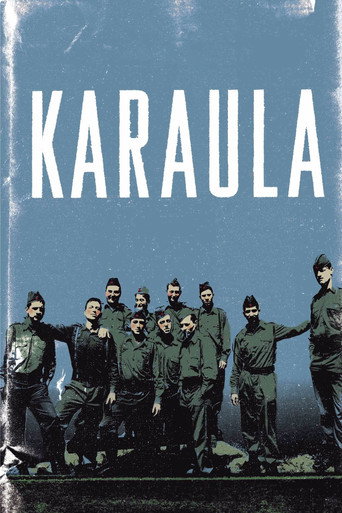
The Border Post
At a small border-post on the Yugoslav-Albanian border, yet another generation of soldiers suffering the usual amount of boredom awaits the end of their service, counting days to the moment when they should take their uniforms off for good. It is the spring of 1987 and the thought never even crosses their mind that they would, in fact, put them back on quite soon and go to war.
Drinking Water and Freedom III
The film Drinking Water and Freedom was made in 1973. It was only one minute long. The review commission for films from Socialist Republic of Croatia prohibited it from public screening. Its sequel, Drinking Water and Freedom II, was made in 1986. It tells the story of the fate of its predecessor and at the same time details what happened with a well and a stone plaque, the objects that had caused its ban. In 1998, Drinking Water and Freedom III was made, a third instalment and a continuation of the story about water, freedom and the well.
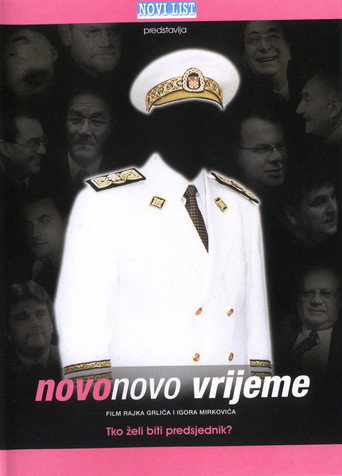
Croatia 2000 - Who Wants to Be a President
"Croatia 2000 - Who Wants To Be A President" is a feature-length documentary film about dramatic political events that occurred in the period between the death of Croatian president Franjo Tudjman and the victory of Stipe Mesić in the presidential elections. Incessantly following (sometimes with ten cameras) the most influential figures in Croatian political life, cameras witnessed the moments of their biggest battle, their greatest victory and crushing defeat, and days of great strain, passion and political combat.
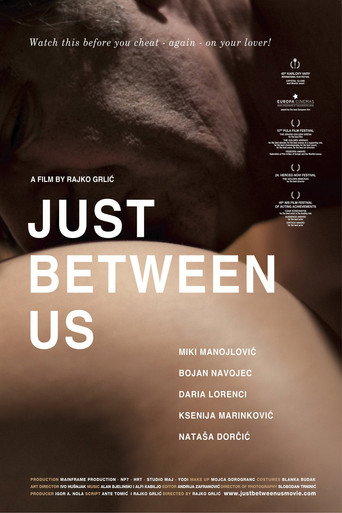
Just Between Us
Nikola is a man who knows how to really enjoy life; he's even able to rouse sympathy for his sinful ways. His brother turns a blind eye to his philandering although, with a broken marriage behind him, he doesn't have a clear conscience, either. Is there anything positive to be said about infidelity, or does it simply deserve the utmost contempt, particularly when it's more premeditated than spontaneous?
Just Between Us
Nikola is a man who knows how to really enjoy life; he's even able to rouse sympathy for his sinful ways. His brother turns a blind eye to his philandering although, with a broken marriage behind him, he doesn't have a clear conscience, either. Is there anything positive to be said about infidelity, or does it simply deserve the utmost contempt, particularly when it's more premeditated than spontaneous?
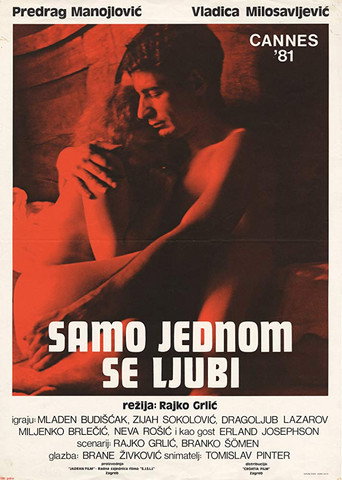
You Love Only Once
Tomislav is a former Partizan who continues his struggle after the war as a dedicated member of Tito's secret police. He meets and falls in love with a ballet dancer from a bourgeois family. His love affair with the class enemy and his slow adaptation to the post-war realities could seal his doom.
You Love Only Once
Tomislav is a former Partizan who continues his struggle after the war as a dedicated member of Tito's secret police. He meets and falls in love with a ballet dancer from a bourgeois family. His love affair with the class enemy and his slow adaptation to the post-war realities could seal his doom.
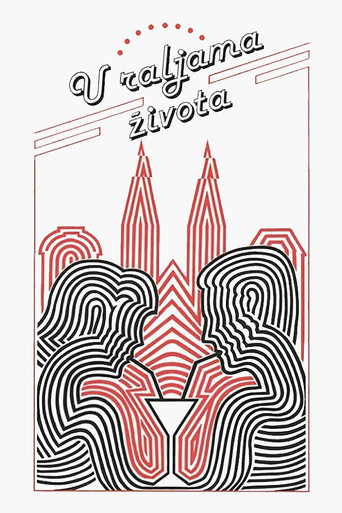
In the Jaws of Life
Two parallel tales about two modern women. One is Štefica Cvek, average and lonely girl who desperately tries to find the man of her dreams. The other story is about a woman director who is making the movie about Štefica and has the same problem.
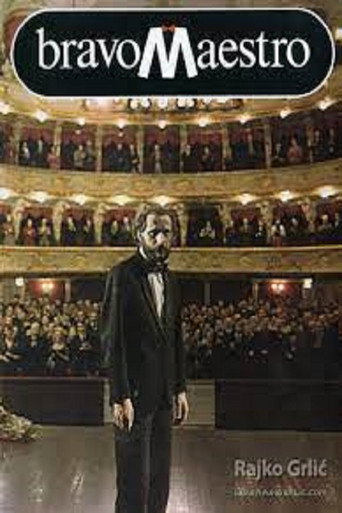
Bravo Maestro
A young man who long ago gave over the hard work of being a composer for the easy life of a rich man's son is bamboozled into slapping together a musical production. Having borrowed right and left, and plagiarized the works of a friend, he feels cheap, very cheap. He feels even worse when the awful thing is a success.
Gallery