Acting
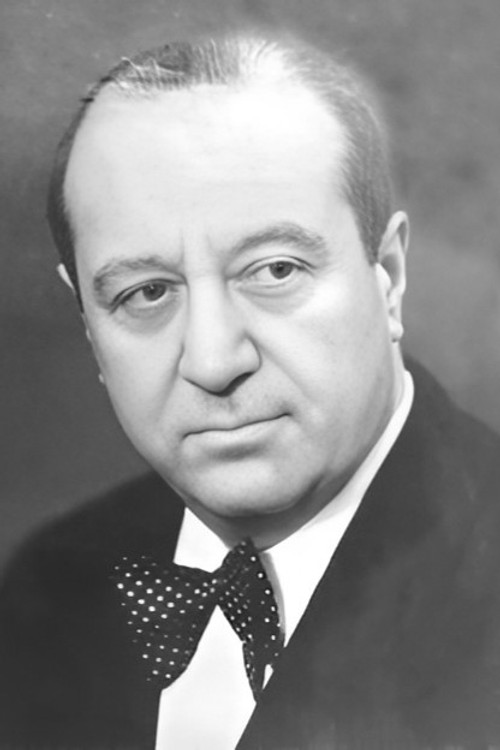
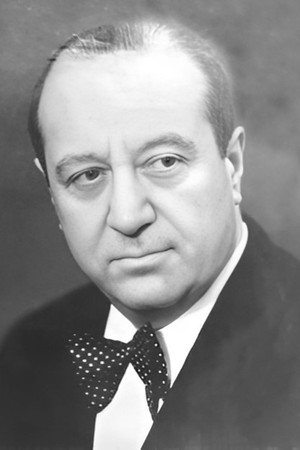
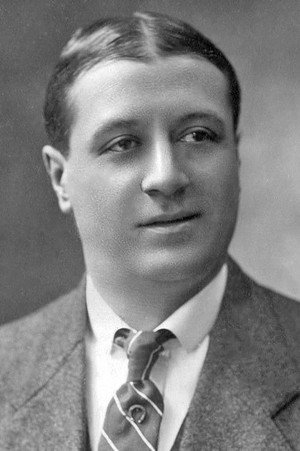
Raimu was the stage name for the French actor Jules Auguste Muraire (18 December 1883 – 20 September 1946). He is most famous for playing César in the Marseilles trilogy (Marius, Fanny and César).
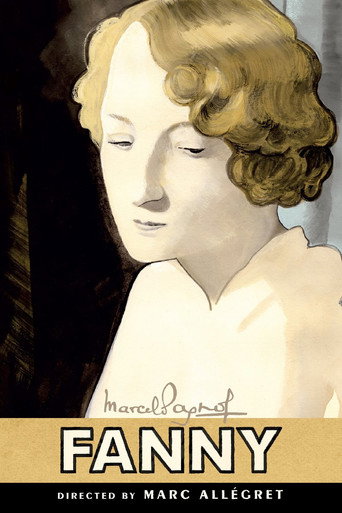
César runs a bar along Marseilles' port, assisted by his 23-year-old son, Marius. Friends since childhood, Fanny and Marius love each other, but Marius has a secret wanderlust: every ship's whistle stirs a longing for foreign lands. When M. Panisse seeks Fanny's hand in marriage and when a departing clipper needs a deckhand, Marius and Fanny must decide who and what they love most. César, with his generous, wise spirit, tries to guide his son.
Soon after Marius's departure, Fanny learns that she is pregnant with his child, to the disappointment of her mother and of Marius's father, César. To secure a better life for her unborn child, she accepts a marriage proposal from the aging widower Honoré Panisse.
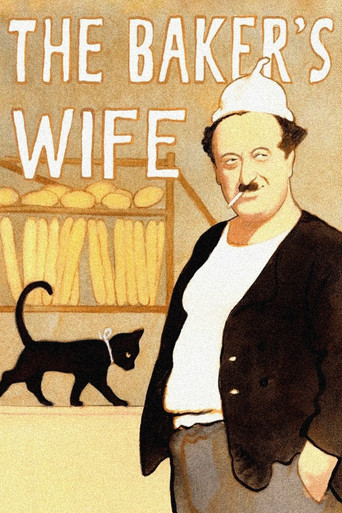
In this little Provencal village, a new baker, Aimable, settles down. His wife Aurelie is beautiful and much younger than he. She departs with a shepherd the night after Aimable produces his first breads. Aimable is so afflicted that he can not work anymore. Therefore, the villagers, who initially laughed at his cuckoldry, take the matter very seriously (they want the bread) and organize a plan to find Aurelie and to bring her back to the bakery.
Leaping forward twenty years, the trilogy continues with the death of Fanny's husband, Panisse, and the discovery of her secret by her son, Césariot. The young man resolves to track down his biological father, Marius, whose life has been fraught with calamity and poverty.
A small town gentleman learns that his prim and proper wife was once a showgirl, and that, even worse, he had enjoyed a one night stand with her in the Orient.
A one-night stand with an entertainer threatens to destroy a woman's marriage after she gives birth to a black child.
Loursat, a lawyer, lives with his daughter Nicole in a sinister and vast bourgeois residence. Abandoned for nearly twenty years by his wife, the brilliant lawyer has sunk into alcoholism and his relationship with his daughter is virtually non-existent. However, one day the corpse of a stranger is discovered in the residence of Loursat. Nicole, who frequents a gang of young people who escape boredom by stealing cars and other objects, is immediately suspected.
Ginette, a Parisian seamstress, lives poorly but happily with her musician lover. When Count la Ferronnière offers to teach her the manners and behaviours that will open her the doors to a richer world, she quickly chooses wealth over love.
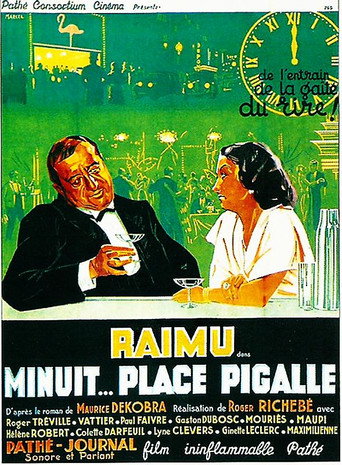
After retiring as a butler in a nightclub where he made his fortune, Prosper decides to return to his job after the death of his wife. Now ruined, he only finds a job as a dishwasher.
Secret de Polichinelle roughly translates as Open Secret. The "secret" in question is an illegitimate child, the offspring of young-and-foolish Henri (Bernard Lacret). The baby is adopted by its grandparents, Monsieur and Madame Jouvenol (Raimu and Francoise Rosay). At first taking charge of the child because it is their duty, the Jouvenols come to love the little nipper as if he were their own son. At this point, the film threatens to drown in a morass of sentiment, but the actors and the director manage to stem the bathos with some first-rate comedy vignettes revolving around the care and feeding of the bouncing baby boy.