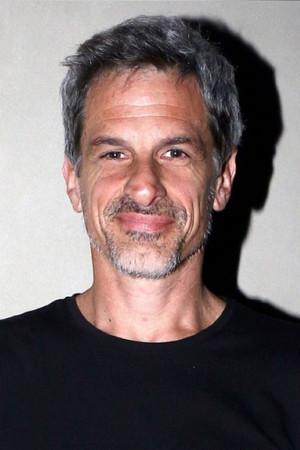
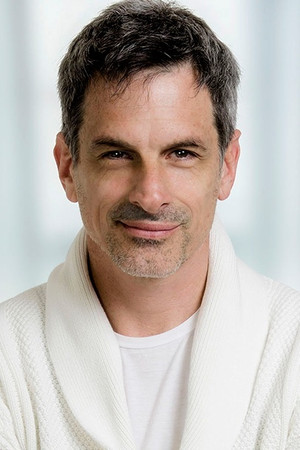
Rafael Ferro Movies, TV Shows, and Filmography
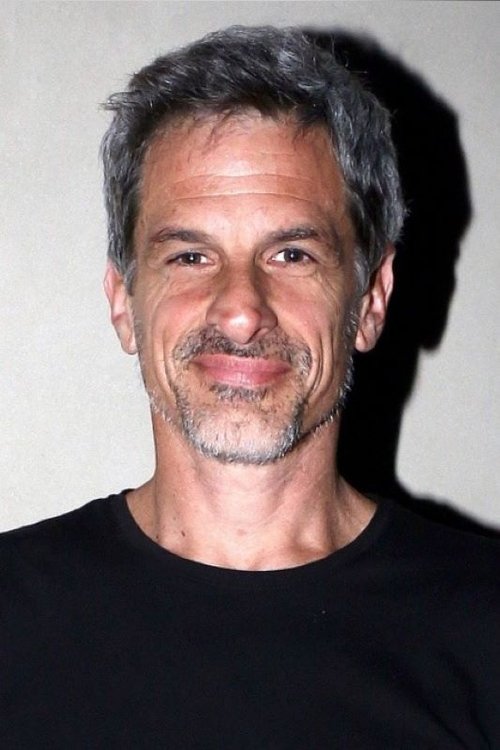
Rafael Ferro
Acting
Biography
Rafael Ferro (Argentina, 1965) approached acting after an important sports career. He was part of the De La Guarda group and participated in over 30 films.
Filmography Movies
Acting
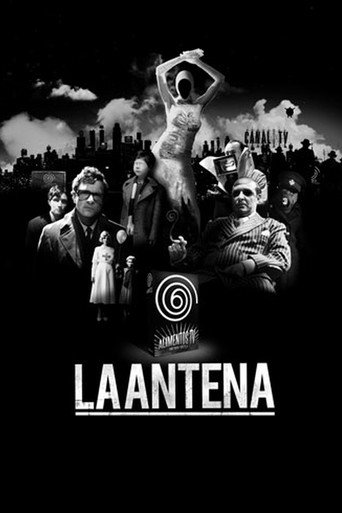
The Aerial
An entire city has lost its voice. Mr. TV, the owner of the city's only television channel, is carrying out a sinister plan to control all of the city's inhabitants.
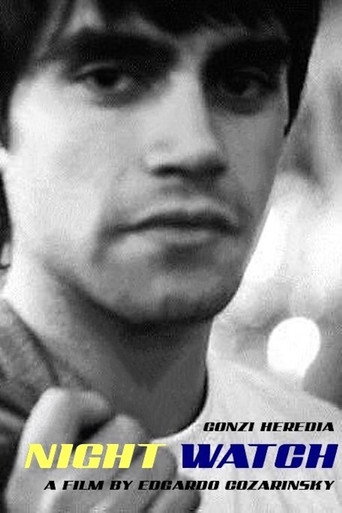
Night Watch
A long night's journey into day: Victor, a street hustler in the Santa Fe and Pueyrredón neighborhoods of Buenos Aires, from the evening of November 1, All Saints Day, to the dawn of November 2, All Souls Day. Victor's odyssey takes him from clients to friends to a gay gym then a hotel room and an all-night café. He plays pick-up soccer with kids whose parents are going through trash or waiting in parks. A vendor gives him a chrysanthemum. It seems he's being followed, and on the night streets, death is close at hand. Can Victor survive until dawn?
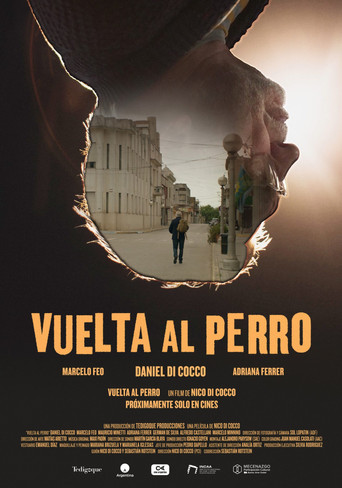
Vuelta al perro
Ricardo Darring, a moderately successful theater director, returns to his hometown to revive the play that made him famous 30 years earlier. To do so, he seeks out the original cast and tries to convince them to participate in his project; among them are his childhood best friend, his first love, and a series of characters from his past who have drifted away.
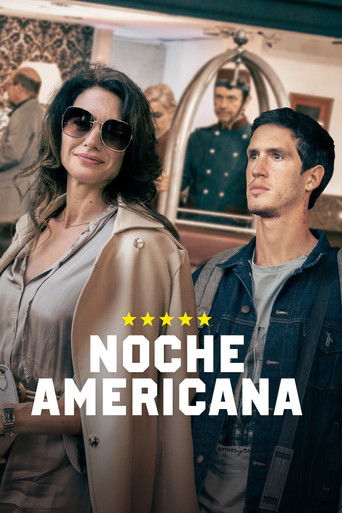
Noche americana
Iván is an unknown 24-year-old musician who receives the news that his flight from Rome has been cancelled. Once at the hotel, he discovers that an Argentine movie star twenty years older than him is in the same situation. Everything seems like a dream for Iván when she opens the door to an affair, but the tension grows when the actress's husband and daughter arrive.
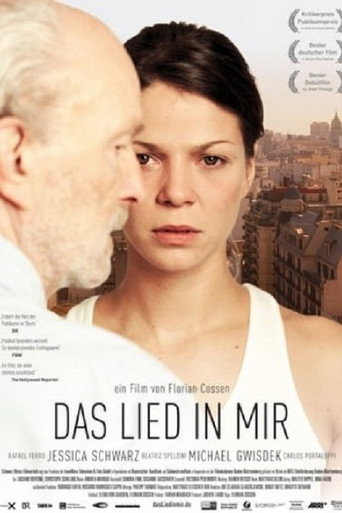
The Day I Was Not Born
During a stopover in Buenos Aires on her way to Chile, 31-year-old Maria recognizes a nursery rhyme. Maria doesn't speak a work of Spanish, but without understanding what she is singing, she remembers the Spanish lyrics. Disturbed and thrown off course, she decides to interrupt her journey and wander through the unfamiliar city.
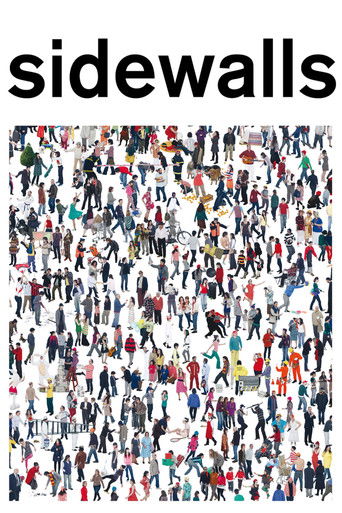
Sidewalls
Martin is a neurotic web designer taking baby steps out of the isolation of his one-room apartment and his virtual reality. Mariana is an artist fresh out of a long relationship. They are perfect for each other, live on the same street, in opposite buildings, but they never meet. Can the movement of a modern city of three million people bring them together?
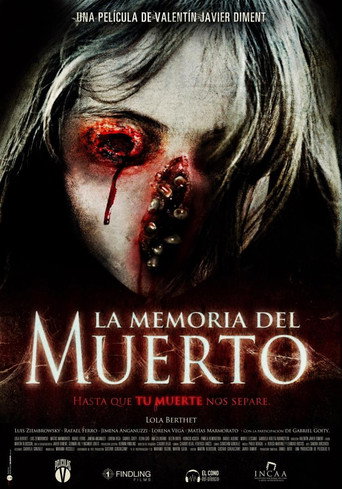
Memory of the Dead
Forty-nine days after George’s death his wife, Alicia, calls friends who wanted to read over the letter that he left before he died. It is a very affectionate and moving letter, which addresses each of those present, knowing that his death is near. Little do they know that they are part of a ritual prepared by Alicia, with the connivance of Santiago, the closest friend of George, to bring him back to life – and that ritual, full of ghostly apparitions, traumatic and terrifying, will be gaining further life from each of the guests. The surprising twists in the plot will lead up to the most unexpected of endings.
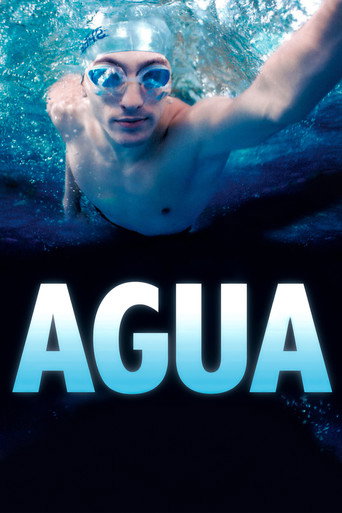
Water
Thirty four year old Goyo, a former open water swimming champion, has been hiding out in the desert. Wrongly accused of doping in the Santa Fe-Coronda Marathon, a 57 kilometer river swim, he has abandoned his career and his dreams. Eight years later, Goyo returns to Santa Fe where the marathon will be held again to try to re-gain his title and clear his name. However, long buried emotions come back to haunt him. He meets Chino, a stubborn and disciplined pool swimmer, who tries hard to be selected for the national team, but fails. Identifying with Chino, Goyo asks him to be his guide on the boat that follows him during the marathon.
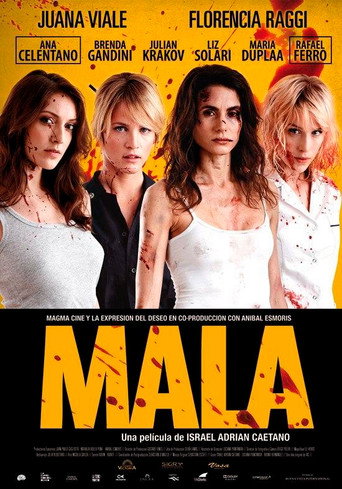
Evil Woman
Rosario is a paid assassin who kills men who mistreat or abuse women. When the police capture her, it's the end of the myth. But Maria, a hysteric invalid, saves Rosario in exchange for a different job.
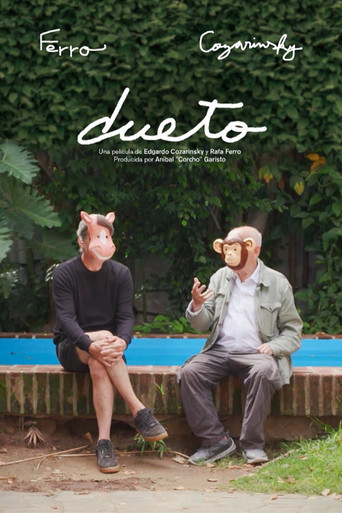
Duet
Navigating the triple border that separates fiction, documentary and essay, in Dueto, writer and filmmaker Edgardo Cozarinsky and actor Rafael Ferro expose, in a confessional manner, the bond they have shared for many years, not only recalling but also retelling a handful of common stories. Some of them have to do with the origin of their relationship, others with its extremes, from the most tense to the most playful. However, all of them converge in a common denominator that keeps them together despite everything. Dueto is the story of two men who, without any shame, allow their friendship to affirm, with conviction, its real name—love. One that is sometimes tender and light, other times possessive and rough, but always ready for a generous indulgence that doesn’t need that of the flesh. The two of them turn Dueto into an oath made of film, in order to honor the pact of that powerful shared feeling.
Production
Duet
Navigating the triple border that separates fiction, documentary and essay, in Dueto, writer and filmmaker Edgardo Cozarinsky and actor Rafael Ferro expose, in a confessional manner, the bond they have shared for many years, not only recalling but also retelling a handful of common stories. Some of them have to do with the origin of their relationship, others with its extremes, from the most tense to the most playful. However, all of them converge in a common denominator that keeps them together despite everything. Dueto is the story of two men who, without any shame, allow their friendship to affirm, with conviction, its real name—love. One that is sometimes tender and light, other times possessive and rough, but always ready for a generous indulgence that doesn’t need that of the flesh. The two of them turn Dueto into an oath made of film, in order to honor the pact of that powerful shared feeling.
Duet
Navigating the triple border that separates fiction, documentary and essay, in Dueto, writer and filmmaker Edgardo Cozarinsky and actor Rafael Ferro expose, in a confessional manner, the bond they have shared for many years, not only recalling but also retelling a handful of common stories. Some of them have to do with the origin of their relationship, others with its extremes, from the most tense to the most playful. However, all of them converge in a common denominator that keeps them together despite everything. Dueto is the story of two men who, without any shame, allow their friendship to affirm, with conviction, its real name—love. One that is sometimes tender and light, other times possessive and rough, but always ready for a generous indulgence that doesn’t need that of the flesh. The two of them turn Dueto into an oath made of film, in order to honor the pact of that powerful shared feeling.
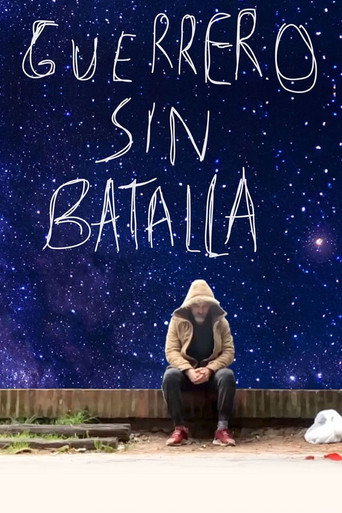
Guerrero sin batalla
An experiment, a filmed diary, a photo album, a self-portrait with the tribe. What does an actor do when he has no work? He invents fictions as an act of survival, here I am! I film myself, I film them, my sacred children, so that there is a record, a we were here too.
Guerrero sin batalla
An experiment, a filmed diary, a photo album, a self-portrait with the tribe. What does an actor do when he has no work? He invents fictions as an act of survival, here I am! I film myself, I film them, my sacred children, so that there is a record, a we were here too.
Guerrero sin batalla
An experiment, a filmed diary, a photo album, a self-portrait with the tribe. What does an actor do when he has no work? He invents fictions as an act of survival, here I am! I film myself, I film them, my sacred children, so that there is a record, a we were here too.
Guerrero sin batalla
An experiment, a filmed diary, a photo album, a self-portrait with the tribe. What does an actor do when he has no work? He invents fictions as an act of survival, here I am! I film myself, I film them, my sacred children, so that there is a record, a we were here too.
Guerrero sin batalla
An experiment, a filmed diary, a photo album, a self-portrait with the tribe. What does an actor do when he has no work? He invents fictions as an act of survival, here I am! I film myself, I film them, my sacred children, so that there is a record, a we were here too.
Gallery