Rachid Taha Movies, TV Shows, and Filmography
Rachid Taha
Acting
Biography
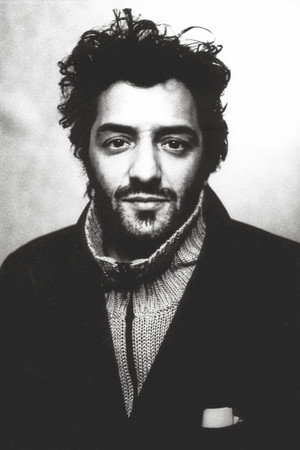
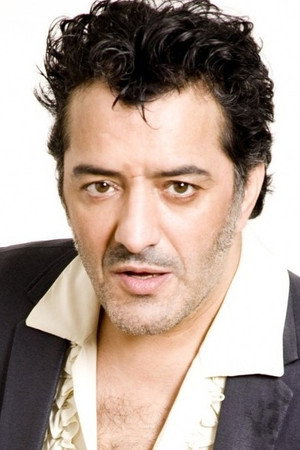
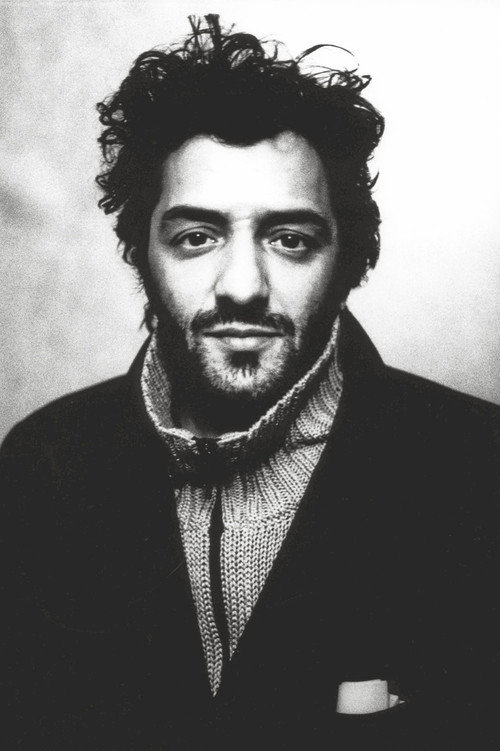
Rachid Taha (Arabic: رشيد طه, Rashīd Ṭāhā; 18 September 1958 – 12 September 2018) was an Algerian singer and activist based in France described as "sonically adventurous". His music was influenced by many different styles including rock, electronic, punk and raï. Taha was born on 18 September 1958 in Sig, Mascara Province, Algeria, although a second source suggests he was born in the Algerian seacoast city of Oran. This town was the "birthplace of raï" music, and 1958 was a key year in the Algerian struggle for independence against French authority. He began listening to Algerian music in the 1960s, including street-style music called chaabi. Additionally, music from the Maghreb region was part of his upbringing. He moved with his parents to France when he was ten years old, settling in an immigrant community around the French city of Lyon in 1968. His father was a textile factory worker, with long hours and low pay, such that his life was compared to that of a "modern slave", according to one account. Aged 17, Taha worked during the day at a central heating plant, described as a "menial job", and hated this work, but at night worked as a club DJ playing Arabic music, rap, salsa, funk and "anything else that took his fancy." In the late 1970s, Taha founded the nightclub called The Rejects or, in French, Les Refoulés, where he would spin mashups of Arabic pop classics over Led Zeppelin, Bo Diddley and Kraftwerk backbeats. In the 1980s, Algeria's indigenous pop music known as raï began to achieve international attention. Originally raï music was based on "city slickers adapting music from the sticks" and was described as ribald, but it became more of a medium for political protest when young people in the 1960s and 1970s used it to "express their anger and desires." Taha suggested that Algerian musical styles and rock are "closely linked". Taha was influenced by the Moroccan chaâbi band Nass El Ghiwane which has been described as "Morocco's answer to the Beatles or the Stones." In 1981, while living in Lyon, Taha met Mohammed and Mokhtar Amini and the three of them, along with Djamel Dif and Eric Vaquer, would soon form a band. In 1982, Taha was the lead vocalist for the Arab-language rock group which they named Carte de Sejour, meaning Green Card or Residence Permit depending on the translation. He sang in both French and Arabic, but usually in Arabic. Taha was inspired by the group The Clash: "The Clash were militant and hedonistic in equal measure ... And that was exciting to me. You could be a rebel and be in the biggest rock'n' roll band in the world! It was also clear that they loved music. Joe Strummer had nothing to do with that terrible punk cynicism. By the time of Mogador '81 they weren't just a rock'n'roll band, they were doing hip-hop, reggae, ska, country and western, disco, but making it sound their own. I think that's what gave French musicians the confidence to do the same with whatever music they were into. In some ways, they introduced us to the world." – Rachid Taha, in The Guardian, 2007. ... Source: Article "Rachid Taha" from Wikipedia in English, licensed under CC-BY-SA 3.0.
Filmography Movies
Acting
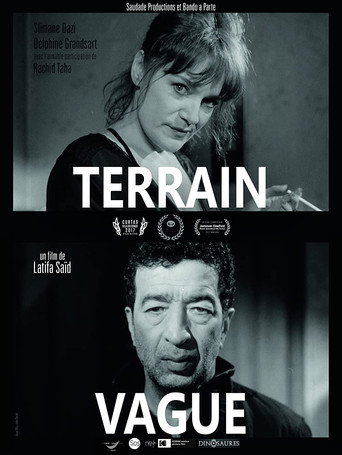
Terrain Vague
A worker in a big city who feels uncomfortable around women meets a sex worker, and in an attempt to overcome his hesitations, he discovers his sexuality.
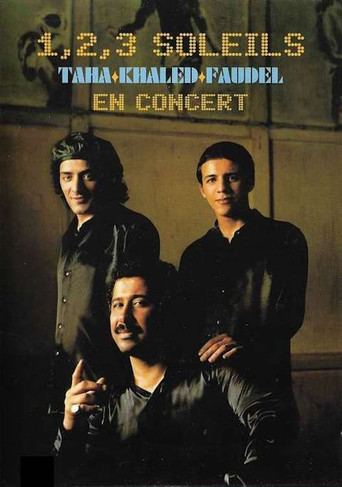
1, 2, 3 Soleils
Originally, the trio was supposed to consist of Khaled, Faudel, and Cheb Mami, but at the time, Mami was signed to a record label that was a competitor of Khaled and Faudel's (Universal Music) and was unable to participate in the project. He was replaced by Rachid Taha. This unique concert took place at the Palais Omnisports de Paris-Bercy on September 26, 1998, and was released as an album by Barclay that same year. The concert, which featured a number of Algerian classics and the most famous songs by these three artists, sung solo, in duets or in trios—from Aicha (Khaled) sung by Faudel and Khaled, to Ya Rayah (Taha) bringing together all three singers—combined classical instruments (strings and brass), traditional (darbouka, bendir, Arabic flute) and modern instruments (bass, guitar), under the leadership of producer Steve Hillage, former guitarist and singer with the band Gong, who plays solo and rhythm guitar.
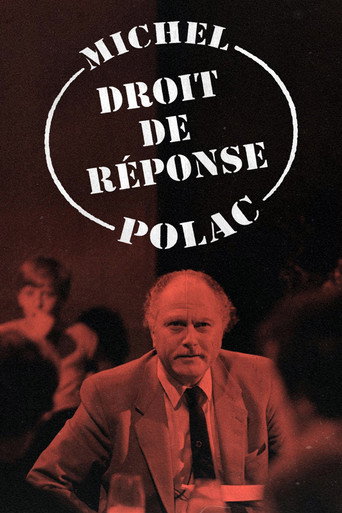
Droit de Réponse
"Droit de Réponse" (Right of Reply) is a French debate program broadcast between December 12, 1981 and September 19, 1987 on the TF1 channel, presented by Michel Polac and produced by Maurice Dugowson. Broadcast live on a weekly basis, on Saturdays from 8.30 p.m., the right of reply has been the source of many controversies, due to the various speakers who have come to present their point of view on the show (which leads to famous scandals , remained in the memory of viewers), but also for the variety and relevance of the topics covered, which ensured the success of the program on the air for several years. On French television, this program is considered by some observers as a “pioneer program in terms of controversy-show or clash, in modern language”.

Cheba Louisa
30-year-old Djemila, a single jurist, at last has her own apartment... a few steps away from her parents' place. A French woman of North African extraction, she does everything she can to hide her origins. Emma, her nutty and broke neighbor, struggles to raise her two children alone. Although these two women have nothing in common, a deep friendship forms between them because of their mutual love of music.
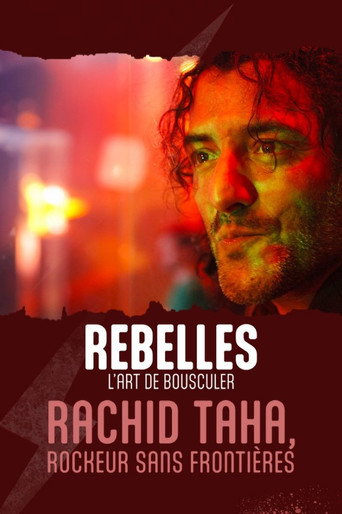
Rachid Taha, rockeur sans frontières
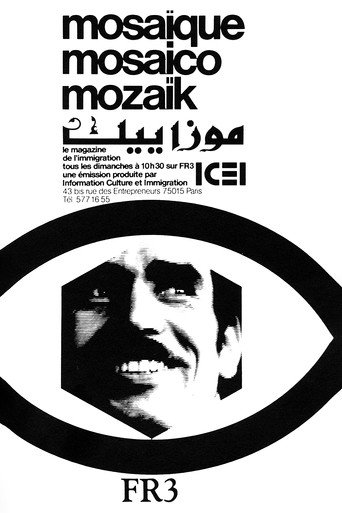
Mosaïque
Broadcast from 1977 to 1987 on FR3, every Sunday morning, for 1h30, Mosaïque is a variety show with a set where music groups from the countries of origin of immigration perform, and which broadcasts reports on these countries and on immigrants who live in France. When it was created, it aimed to promote the cultures of origin of immigrants, but also to make them better known to the rest of the population. However, the program was never financed by public television which considers that it was aimed at a specific audience and was therefore not part of a public service mission. It received financial support from the Ministry of Labor, through its subsidy to the National Office for the Cultural Promotion of Immigrants, ONPCI (later becoming Information Culture and Immigration, ICEI, in 1977, then Agency for the Development of Intercultural Relations , ADRI). , in 1982).
Kienès?
This 45 minute documentary originally features on the bonus DVD of Rachid Taha's album Tékitoi. It follows Rachid and his band during their Mexican tour.
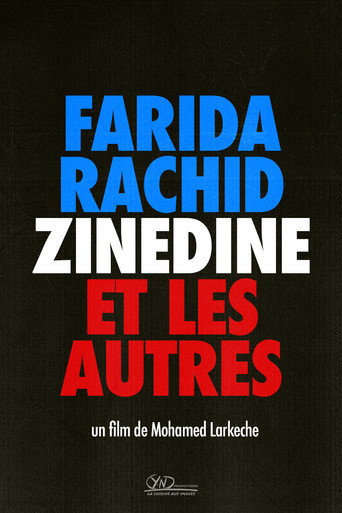
Farida, Rachid, Zinedine et les autres
Production
Cheba Louisa
30-year-old Djemila, a single jurist, at last has her own apartment... a few steps away from her parents' place. A French woman of North African extraction, she does everything she can to hide her origins. Emma, her nutty and broke neighbor, struggles to raise her two children alone. Although these two women have nothing in common, a deep friendship forms between them because of their mutual love of music.
First Christmas
Little Rafik learns about Santa Claus in School, when he arrives just before Christmas with his Tunisian family to settle down in France in the 1960's.
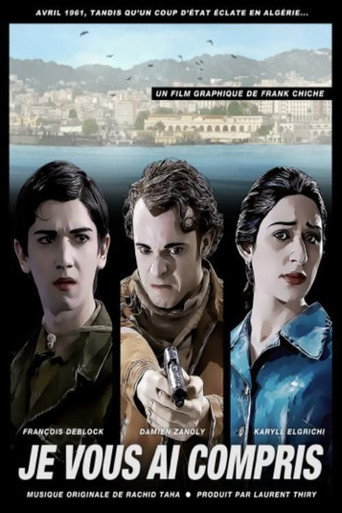
Je vous ai compris
First Christmas
Little Rafik learns about Santa Claus in School, when he arrives just before Christmas with his Tunisian family to settle down in France in the 1960's.
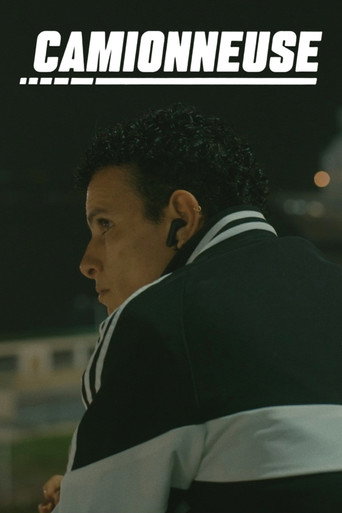
Camionneuse
Zina left Algeria to fulfill her childhood dream of driving trucks. At every turn, her cabin becomes a space of freedom and the highway a battlefield.
Gallery