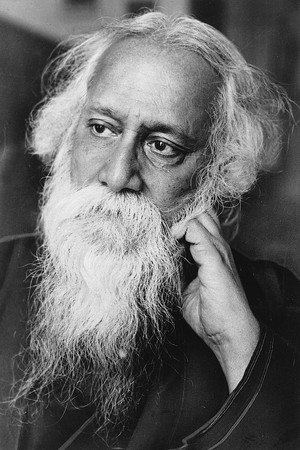
Rabindranath Tagore Movies, TV Shows, and Filmography
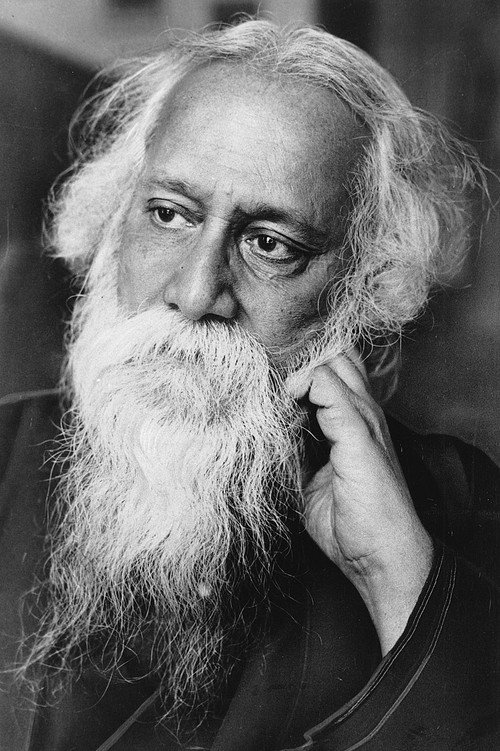
Rabindranath Tagore
Writing
Biography
Rabindranath Tagore was a Bengali polymath — poet, writer, playwright, composer, philosopher, social reformer, and painter. He reshaped Bengali literature and music as well as Indian art in the late 19th and early 20th centuries. Author of the Gitanjali (Song Offerings), he became in 1913 the first non-European to win the Nobel Prize in Literature. Tagore's poetic songs were viewed as spiritual and mercurial; however, his "elegant prose and magical poetry" remain largely unknown outside Bengal. He is sometimes referred to as "the Bard of Bengal". Tagore wrote poetry as an eight-year-old. At the age of sixteen, he released his first substantial poems under the pseudonym Bhānusiṃha ("Sun Lion"). By 1877 he graduated to his first short stories and dramas, published under his real name. As a humanist, universalist, internationalist, and ardent anti-nationalist, he denounced the British Raj and advocated independence from Britain. As an exponent of the Bengal Renaissance, he advanced a vast canon that comprised paintings, sketches and doodles, hundreds of texts, and some two thousand songs; his legacy also endures in the institution he founded, Visva-Bharati University. Tagore modernised Bengali art by spurning rigid classical forms and resisting linguistic strictures. His novels, stories, songs, dance-dramas, and essays spoke to topics political and personal. Gitanjali (Song Offerings), Gora (Fair-Faced) and Ghare-Baire (The Home and the World) are his best-known works, and his verse, short stories, and novels were acclaimed—or panned—for their lyricism, colloquialism, naturalism, and unnatural contemplation. His compositions were chosen by two nations as national anthems: India's "Jana Gana Mana" and Bangladesh's "Amar Shonar Bangla". The Sri Lankan national anthem was inspired by his work. Description above is from the Wikipedia article Rabindranath Tagore, licensed under CC-BY-SA, full list of contributors on Wikipedia.
Filmography Movies
Acting
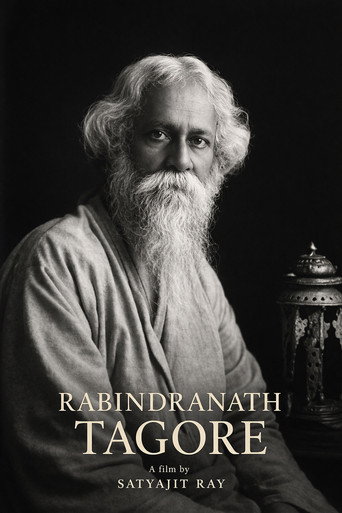
Rabindranath Tagore
Docudrama about the life of Rabindranath Tagore, Indian polymath—poet, writer, playwright, composer, philosopher, social reformer and painter, who reshaped Bengali literature and music as well as Indian art, becoming in 1913 the first non-European and the first lyricist to win the Nobel Prize in Literature. The film was released during Tagore's birth centenary year.
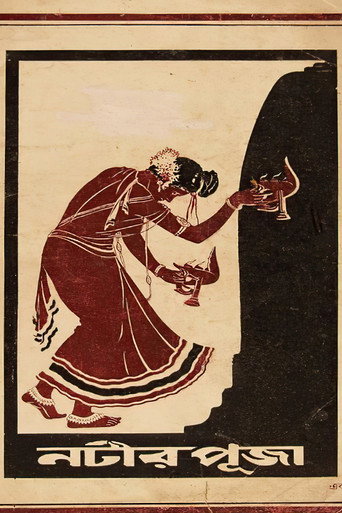
Natir Puja
A simple recording of Tagore's 1926 dance drama on Buddhist legend.
Production
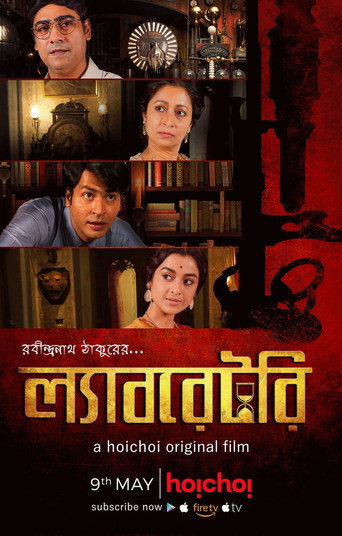
Laboratory
Based on Tagore’s works, Rebati is attracted to Neela’s seductive charms, the outcome of which leads to an unlikely conclusion. Watch the full movie on Hoichoi.
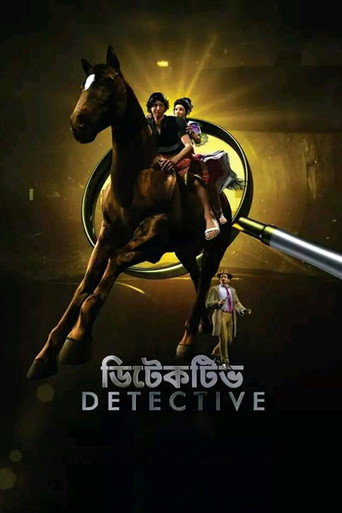
Detective
Explores the life of a police detective. Based on a short story by Rabindranath Tagore.
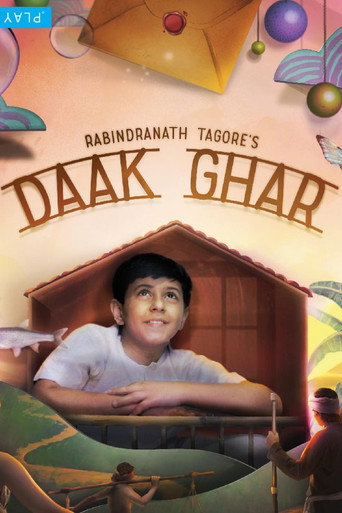
Daak Ghar
Set in early 20th-century rural Bengal, Daak Ghar tells the story of Amal, a young boy with an incurable illness who gets caught up in the world outside of his window.
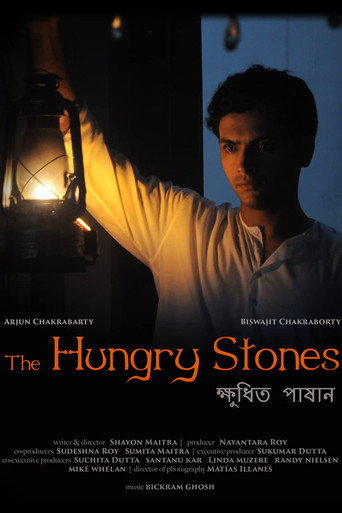
The Hungry Stones
Neel, an ambitious businessman, has bought a crumbling palace to transform into a luxury hotel. He fails to realize that the stones come to life each night, engulfing anyone that dares to trespass.
One Woman Man
At night Deepak narrates his problem to Dr. Khanna. He had committed to his 1st wife Priya, he is a one woman man and all the nights of his life belong to her. After miscarriage Priya became sick and a nurse, Madhu came to look after her. After Priya's death Deepak married Madhu. Now at night whenever Deepak tries to come close to Madhu, he feels Priya is around. After flashback with sunrise Deepak becomes normal. But the question remains does the amount and density of love continues to be the same, once a person is out of sight? And night will again come with it's nightmare after the day. (One Woman Man is inspired by Rabindranath Tagore's story 'Nisithe')
Natir Puja
A simple recording of Tagore's 1926 dance drama on Buddhist legend.
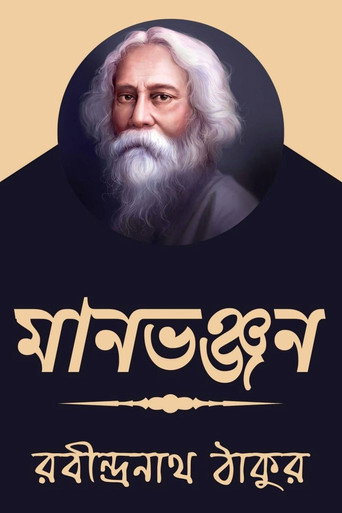
Maanbhanjan
Maanbhanjan explores the complexities of love, obsession, and identity. The story follows a neglected wife who finds solace and empowerment through the transformative world of theater. As she navigates the complexities of her marriage and the allure of the stage, she challenges societal norms and redefines her own destiny.
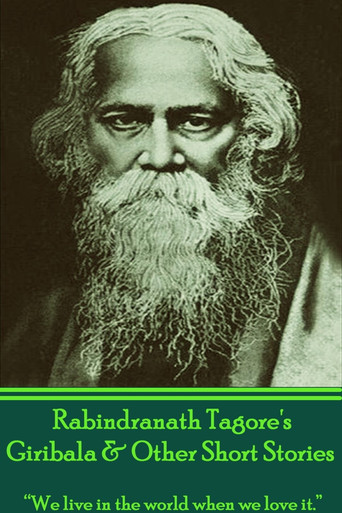
Giribala
Giribala explores the life of a neglected wife who finds liberation and success through the world of theatre. Based on a Rabindranath Tagore short story, the film follows Giribala as she navigates a loveless marriage and ultimately transforms her life by embracing her talents. A powerful story of female empowerment and societal critique.
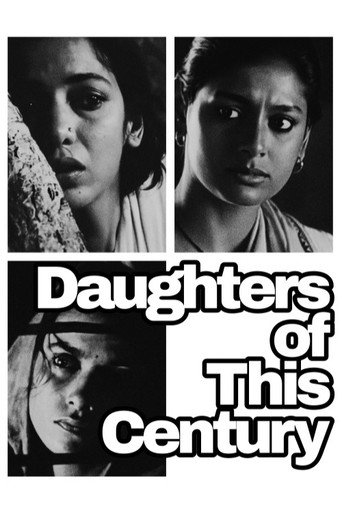
Daughters of This Century
This film is based on five shot stories of Rabindranath Tagore's Jibito O Mrito, Sarat Chandra Chattopadhyay's Abhagir Swarga, Gour Kishore Ghosh's Aei Daha, Prafulla Roy's Satgharia and Dibyendu Palit's Kaanch.
The Post Office
Amol, a child, is confined to his adoptive uncle's home by an incurable disease. He stands in the courtyard and talks to passers-by and inquires about the places they go to. The construction of a new post office nearby prompts the imaginative Amol to fantasise about receiving a letter from the King or being his postman.
Gallery