Sound
No biography available.
A study in contrasts set in and around Havana that explores Cuba's 1959 revolution: a young woman's fascination with the excess of an American-owned casino leads to her downfall in the eyes of her street vendor boyfriend; a tenant farmer revolts the only way he knows how, attacking the land he works; university students gain first-hand knowledge of political upheaval; and, in the hills outside the city, the members of a poor peasant family are patriotically swept up into the burgeoning revolt.
Documentary about the relationship between filmmaker Glauber Rocha and Cuba.
Three stories reconstructing the start of the triumphant Cuban revolution which deposed Batista.
An Arizona policeman and his pilot buddy discover a scheme to rob Las Vegas slot machines by computer.
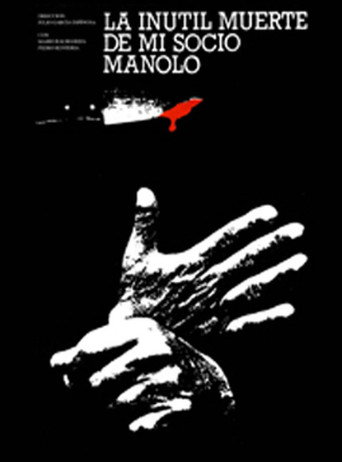
Cheo visits his friend, Manolo, who he hasn't seen for many years. They drink to celebrate their reunion and fondly recall the times they spent together in years past. As they reminisce, the two friends confront the revolution, evaluate their lives, and bare their souls.
Three youngsters whose imaginations have run amok are hanging around an island searching for pirate treasure. Reality hits them in the face when some Haitians, trying to escape the terrible social and economic conditions in their country, land on the island.
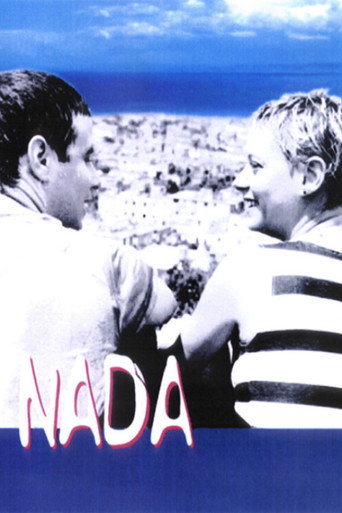
Carla, a young postal worker in Havana, spends her days postmarking thousands of letters and dreaming of the day when she can be reunited with her parents, who moved to Miami when she was fifteen. To fulfill her longing for intimacy, she opens random letters and rewrites them into lyrical prose, believing she is helping her fellow Cubans understand one another better. Beautifully filmed in black and white accented by brilliant colours, Nada+ has a stunning visual composition. With its delightful mix of visual humour, theatrical characters, satire and a lighthearted love story, it has a distinctly Cuban flair.
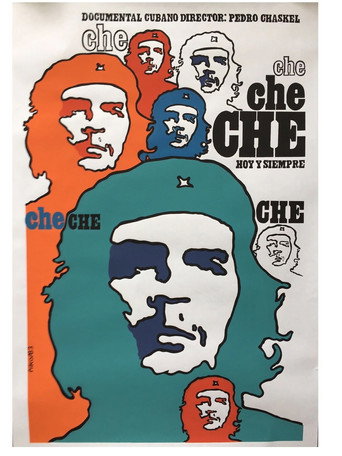
A sound system plays Commander Ernesto Guevara's speech, delivered on October 20, 1962, during the Second Anniversary of the Young Communist League, along with a series of archival images of the revolutionary leader visiting factories and meeting with workers.
People dance during a performance of the Orchestra "The Afrokán". The film was banned, at the beginning of the Cuban revolution, for depicting an unwanted image of the Havana night.
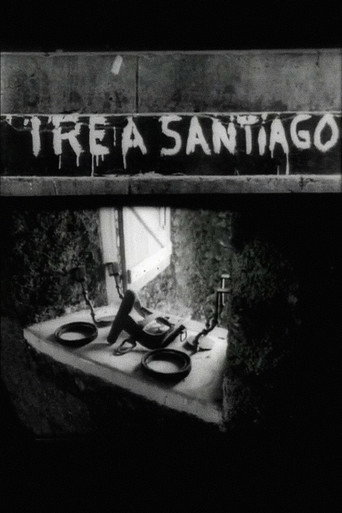
This black-and-white film is a loving portrait of Santiago de Cuba and its people. It provides a view of Cuba as a picturesque country, the product of an earthy mix of black and criollo cultures. The film uses historical images which portray the end of the eighteenth century when Haitian slave owners fled with their slaves to Cuba after the Haitian Revolution.