Camera
No biography available.
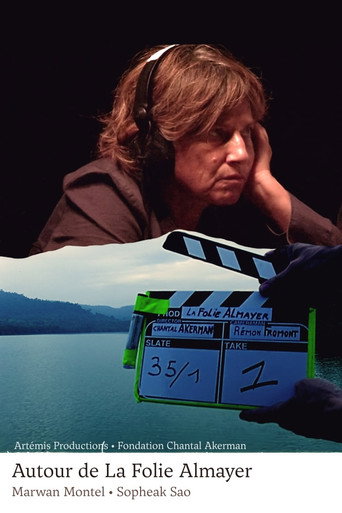
An in-depth, behind-the-scenes documentary about the making of Chantal Akerman's 2011 film adaptation of Joseph Conrad's book about a merchant, whose dreams of riches for his daughter are shattered by his greed and prejudice.
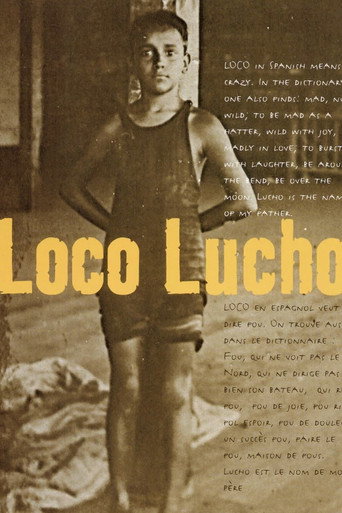
Mary returns to Perú and her family with her previous film as a gift to her father, Lucho Jimenez, an eighty year old man with a lot of vitality. She proposes a caravan trip into his past, taking him to places where they spent their lives together, asking questions he never asked about his history, his family's history and his mother's death. During the filming of the movie, Mary learns that her father has a new engagement to a woman much younger than him and that he is about to adopt his new wife's child who was given to another family.
A short film for three pairs of hands and three tables, based on a notable composition by the director.
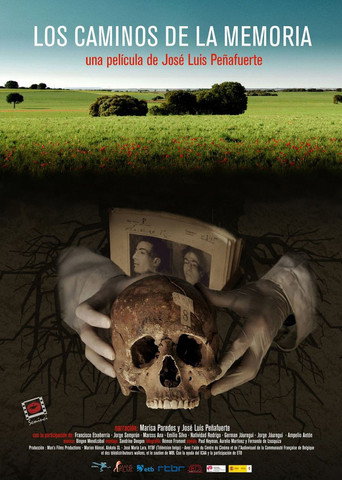
Franco’s dictatorship, one of the longest and most violent dictatorial regimes in the history of the 20th century, has been kept silent by Spain since the transition and the recovery of democracy. In December 2007 following the approval of the controversial Historical Memory Law, whereby the Spanish government finally intends to lift the veil over this dark period, and thus do justice to the hundreds of thousands of victims of Francoism. From this starting point, the filmmaker José-Luis Peñafuerte (grandson of exiles) takes us on an authentic film journey through the roots of that hidden European memory, in order to open a window against oblivion.
Comedy about a clumsy female intern conducting her first survey about smoking and smokers. Both flattered and impressed, she meets a few major artistic figures such as Serge Gainsbourg or Bernard Lavilliers. But the film is also about the cigarettes which helped to make Humphrey Bogart, James Dean - and several others - immortal myths. And about the cigarettes and cigars of ordinary people which fill restaurants and other public places with their heavy smoke.
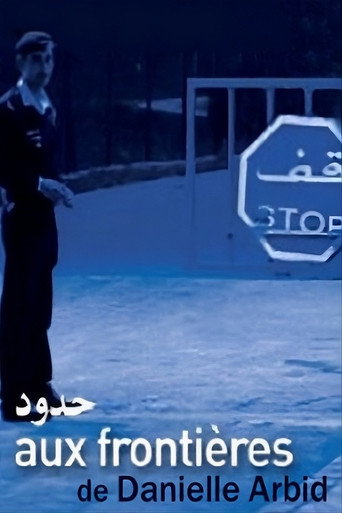
In this documentary road movie, filmmaker Danielle Arbid tries to conjure up an image of the country that is called Israel or Palestine.
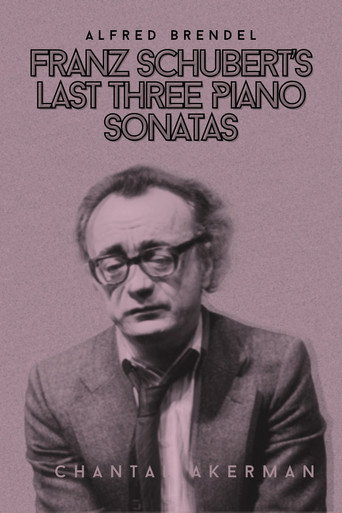
A portrait of pianist Alfred Brendel performing and analysing Franz Schubert's final three sonatas.
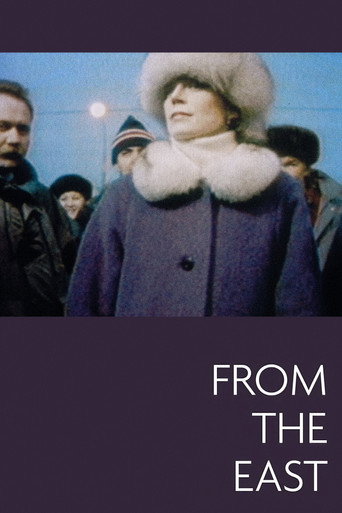
In this incisive dispatch from the newly collapsed Soviet empire, bullet holes from WWII still pockmark the old stone buildings. Akerman journeys from East Germany to Moscow between the late summer and winter of 1993 ('while there’s still time'), chronicling in deliberate tracking shots, circular pans, and domestic tableaux yet another moment of radical upheaval in the 20th-century, the faces and bodies of Poles, Ukrainians, Germans, and Russians weighed down with obedient resignation and uncertainty.
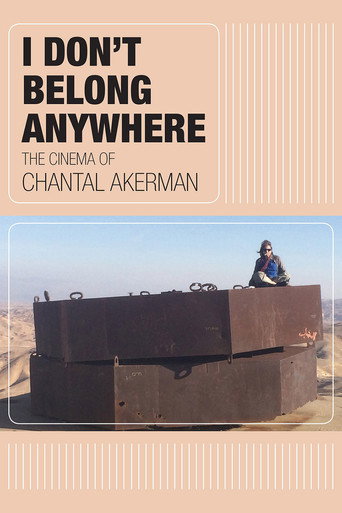
I Don’t Belong Anywhere - Le Cinéma de Chantal Akerman, explores some of the Belgian filmmaker’s 40 plus films. From Brussels to Tel-Aviv, from Paris to New-York, this documentary charts the sites of her peregrinations. An experimental filmmaker, a nomad, Chantal Akerman shares her cinematic trajectory, one that has never ceased to interrogate the the meaning of her existence. Thanks in great part to the interventions of her editor, Claire Atherton, she delineates the origins of her film language and her aesthetic stance.
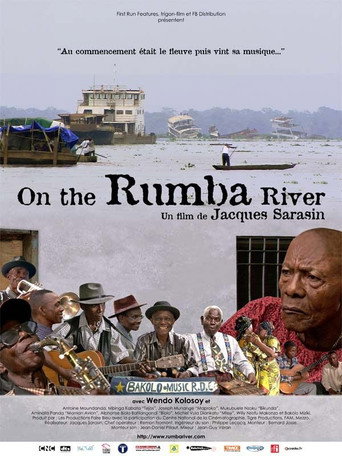
Wendo Kolosoy was a former boxer and ship's mechanic from the Congo who in 1948 recorded a song called "Marie Louise" as Papa Wendo. Wendo's music, an infectious blend of Latin and African rhythms, took the nation by storm and he became an overnight star among the Congolese. However, while the sound Wendo created proved to have a lasting influence in the Congo, his own fame waned, and as he slipped into obscurity, he watched the sad history of his nation unfold, as the end of colonialism led to wave after wave of bloody violence. Wendo's music, however, has been discovered by a new generation of music fans, and the aging musician continues to perform as often as he can.