Régine Movies, TV Shows, and Filmography

Régine
Acting
Biography
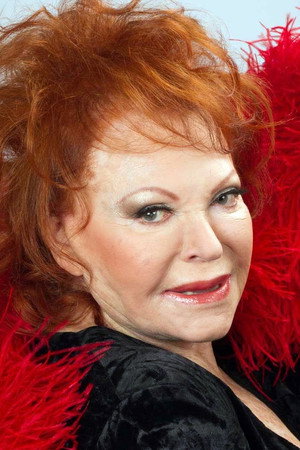
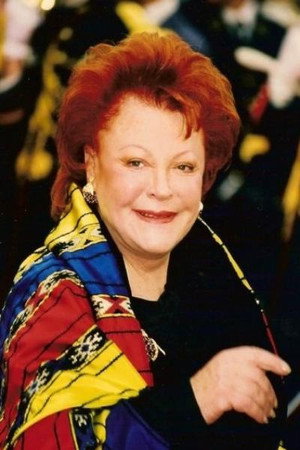
Régine Zylberberg (born Régina Zylberberg; 26 December 1929 – 1 May 2022), often known mononymously as Régine, was a Belgian-born French singer, actress, nightclub impresario, and businesswoman. Rising to prominence in the 1950s and 1960s, she built an international nightlife empire with her chain of Régine’s clubs, which became synonymous with celebrity culture, luxury, and the emerging jet set. Often called the "Queen of the Night," Regine is credited with pioneering the modern discotheque while maintaining a parallel career as a recording artist and entertainer. Rachelle Zylberberg was born in Anderlecht, Belgium, to Polish Jewish parents, Joseph Zylberberg and Tauba Rodstein. She spent much of her early life in hiding from the Nazis in occupied wartime France. Abandoned in infancy by her unwed mother who moved to Argentina, she was 12 when her father was arrested by the Nazis. She hid in a convent, where she was reportedly beaten. After the war, she sold bras in the streets of Paris. Her father, Joseph, managed to survive the war. He opened a cafe in Paris's Belleville neighborhood. Zylberberg had one son, Lionel, from her first husband Leon Rothcage, whom she married when she was 17. Known as Régine, she became a torch singer; by 1953, she was a nightclub manager in Paris. She is attributed with the invention of the modern-day discothèque, by virtue of creating a new dynamic atmosphere at Paris' Whisky à Gogo, with the ubiquitous jukebox replaced by disc jockeys utilizing linked turntables. Zylberberg's Paris Whisky à Gogo became the inspiration for the later establishment of the Whisky a Go Go nightclub in Los Angeles. In 1958, she opened Chez Régine in the Latin Quarter of Paris, which became the place to be seen for visiting celebrities, socialites and royalty. After performing at Paris's famed Olympia in the 1960s, Régine went on to perform at Carnegie Hall in New York. As Zylberberg's celebrity expanded she established nightclubs under her name in major cities such as New York, London and Monte Carlo. These were ultra-selective venues in prime urban locations, all featuring her signature "disco-style" layout. At the height of her popularity, her nightlife empire had 22 venues. In 1974, Zylberberg established Jimmy'z nightclub in Monaco. In 1975, Zylberberg was accompanied by her husband, Roger Choukroun, to New York. They split their time living between Paris and a penthouse suite at the Delmonico Hotel on Park Avenue and 59th Street in New York. In 1976, she opened Regine's nightclub on the ground floor of the hotel. The nightclub served food under the direction of French chef Michel Guérard. The following year, she opened a bistro alongside the nightclub called Cafe Reginette. In 1978, Zylberberg opened a Regine's in the Hyatt Regency Hotel in Montreal. In the 1970s, Zylberberg also designed a line of "Ready-to-Dance" evening clothes that were proof against wrinkling and so could be packed, which were sold at Bloomingdale's. In 1988, she was in charge of the Ledoyen Restaurant on the Champs-Élysées in Paris. ... Source: Article "Régine Zylberberg" from Wikipedia in English, licensed under CC-BY-SA.
Filmography Movies
Acting

My New Partner
A streetwise Paris policeman who takes kickbacks from the minor criminals on his beat to allow them to continue is assigned an idealistic new partner fresh from police academy. He sets out to corrupt him...
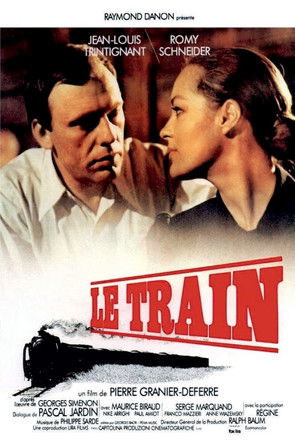
The Last Train
Two people, a Frenchman and a Jewish German woman, meet on a train while escaping the German army entering France.
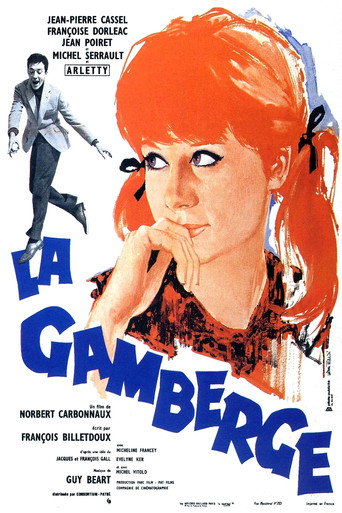
The Dance
The Dance is a 1962 French comedy film directed by Norbert Carbonnaux and starring Jean-Pierre Cassel, Françoise Dorléac and Arletty. The film is based on the French comic strip 13 rue de l'Espoir.
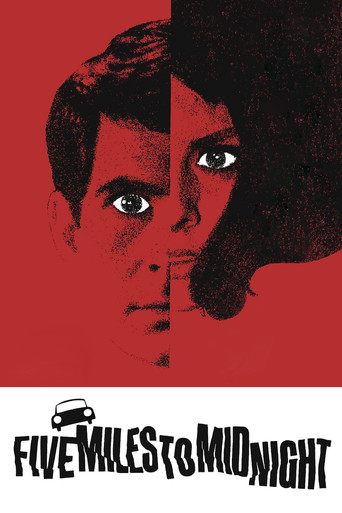
Five Miles to Midnight
American ex-Air Force man and current businessman Bob Macklin is married to the impoverished Italian-born Lisa. Bob’s jealousy and immaturity irks Lisa, who tells him she’s planning to file for a divorce before his plane departs on a business trip for Casablanca.
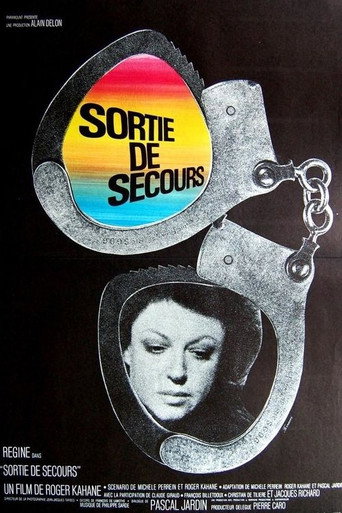
Sortie de secours
A failed actress sinks into neurosis and mythomania. To give relief to her dismal existence, she engages in all kinds of activities ranging from false testimony to occasional prostitution.
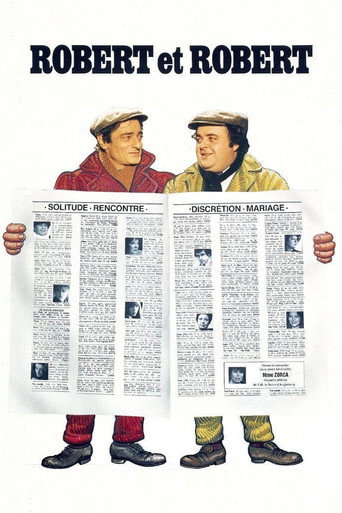
Robert et Robert
Robert #1 is played by Charles Denner, while Robert #2 is played by Jacques Villeret. Beyond their common name, the two Roberts are as different as night and day. Oh, there is one more resemblance: both Roberts are lonely, and both hope to meet suitable mates through a computer dating service. As they await the arrival of their new dates, Robert et Robert become fast friends. Of the three favorite film subjects of writer/director Claude Lelouch--romance, crime, and politics--Robert et Robert falls firmly into the first category.
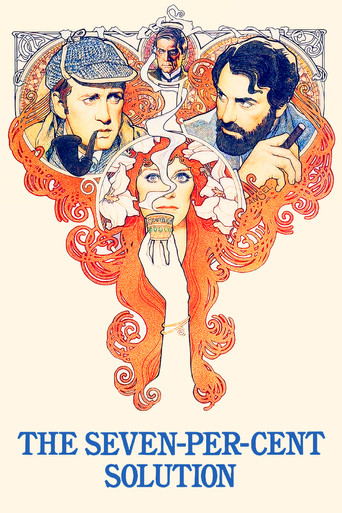
The Seven-Per-Cent Solution
Concerned about his friend's cocaine use, Dr. Watson tricks Sherlock Holmes into travelling to Vienna, where Holmes enters the care of Sigmund Freud. Freud attempts to solve the mysteries of Holmes' subconscious, while Holmes devotes himself to solving a mystery involving the kidnapping of Lola Deveraux.
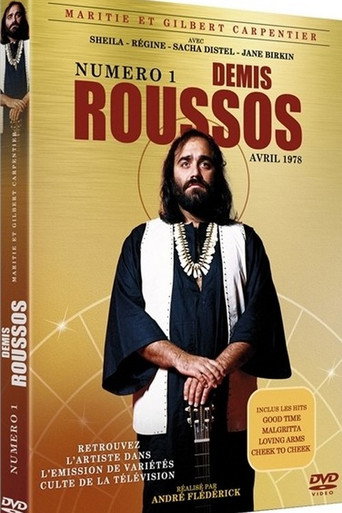

La TV des 70's : Quand Giscard était président
In May 1974, Valéry Giscard d'Estaing became President of the Republic and wanted to bring about a new era of modernity. One of his first decisions was to break up the ORTF with the creation of three new television channels: TF1, Antenne 2 and FR3. Three new public channels but autonomous and competing. It is a race for the audience which is engaged then, and from now on the channels will make the war! This competition will give birth to a real golden age for television programs, with variety shows in the forefront. The stars of the song are going to invade the living rooms of the French for their biggest pleasure. This unedited documentary tells the story of the metamorphosis of this television of the early 1970s, between freedom of tone, scandals, political intrigues and programs that have become mythical.

Marry Me! Marry Me!
Claude and Isabella met on a beach one summer and got easily involved. But while he has dreams of settling down with a family, she just wants to have fun. When Isabelle becomes pregnant, Claude is advised by both families to marry but things get more complicated when he meets an English woman.
Gallery