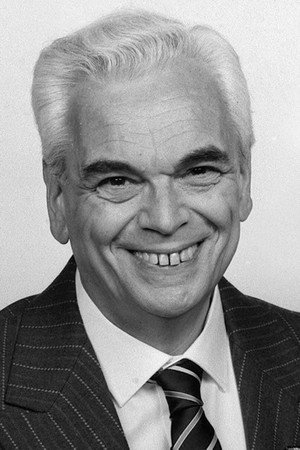
Róbert Rátonyi Movies, TV Shows, and Filmography
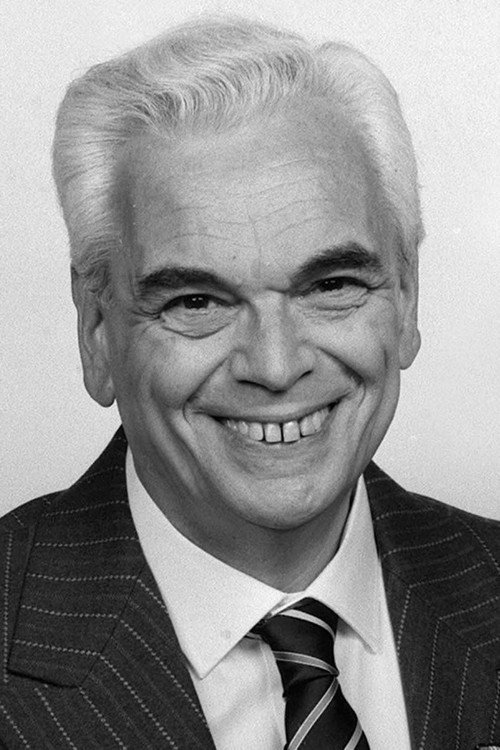
Róbert Rátonyi
Acting
Biography
No biography available.
Filmography Movies
Acting
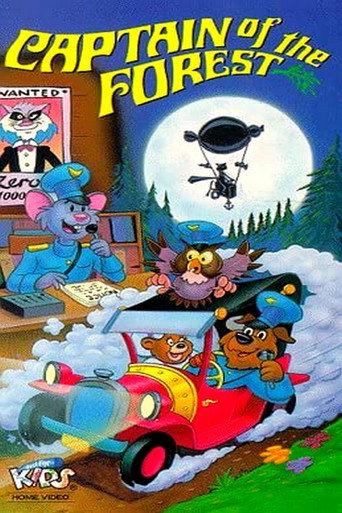
Captain of the Forest
This entertaining film highlights the importance of integrity, justice, and appreciation for the environment. The compassionate and wise Captain is the hero, who is trying to stop long-time troublemaker and master of disguise Zero the Cat as he plans his biggest coup ever. Helping the Captain along the way are the bright Constable Eleméri Ede and seasoned secret agent Góliát. The resourceful Gólíat succeeds in locating Zero's hiding place, where he overhears part of Zero's newest plan. Although unable to get all the details, Gólíat reports to the station and it becomes clear that stopping Zero will be quite a challenge.
A nagy ékszerész
The upmarket but financially strapped industrialist catches two burglars red-handed. The younger one soon turns out to be a wealthy man who is robbing millions more just for a gentleman's passport. The manufacturer offers the burglar a partnership in his company...
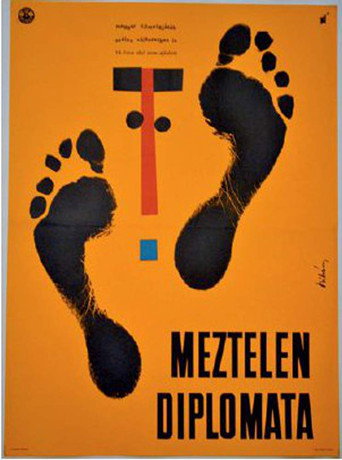
The Naked Diplomat
Félix, a somewhat clod-hopping young man, finds himself in the Grand Hotel of Little Lagonda, barefooted and in pyjamas. He is soon followed by a hooded, fat and leggy gangster. This is all the more strange as the hotel is under quarantine with the pretext of a plague-epidemic, in order to make it a suitable ground for the negotiations of certain oil-companies.
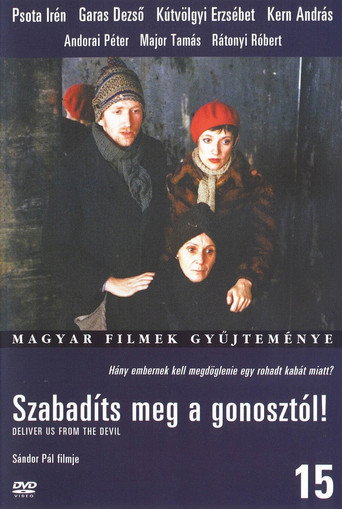
Deliver Us from Evil
Winter of 1944, the last days of the war. When the roads and houses ceased to exist and the bottom of the cellars become filled with life, when fortunes were lost and countries burned up, her used coat was only important to Mama, the cloak-room servant of a local dance-school. Her son stole it to sell it for twenty pengő. He did it because Aranka Fussbaum's love cost money. There is no honour left in such a destroyed world. Yet still they start looking for that coat... (Elemér Ragályi won Best camera with this movie in Montreal, 1979, and in Budapest, 1980.)
Dream Brigade
The heroes of the film are manual workers, members of a Socialist Brigade. Gyula, the brigade leader once has a dream where the gate-keeper searches through Lenin, about to leave the factory. He decides to stage Gelman's play, Premium, with his brigade, since the drama very effectively depicts what they see in the world around.
The Witness
Hungary, 1950s. József Pelikán, who works as a dam keeper on the Danube, meets by chance Zoltán Dániel, an old friend whom he saved from death years before and who is now a powerful politician.
Hanussen
A man's story parallels Hitler's rise. Austrian Klaus Schneider, wounded in World War I, recovers in the care of Dr. Emil Bettleheim. Bettleheim discovers that Schneider possesses powers of empathy and of clairvoyance, such that could aid suicidal patients. After the war, with one friend as his manager and another as his lover, Schneider changes his name to Eric Jan Hanussen and goes to Berlin, as a hypnotist and clairvoyant performing in halls and theaters. He always speaks the truth, which brings him to the attention of powerful Nazis. He predicts their rise (good propaganda for them) and their violence (not so good). He's in pain and at risk. What is Hanussen's future?
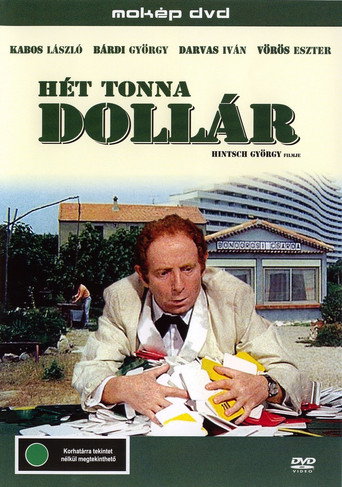
Seven Tons of Dollar
Luciano, the clown of a circus, can predict who will win in the snooker. His mathematical algorithm seems to be working in every gamble provided that the gamma factor is present. This latter is a woman in the bed. He uses his special skill for his country therefore he, as a secret weapon, is moved to the west with three support staff. The goal of their task is to plunder Western Europe. The plan works and Bondoros, the city he came from became a metropolis. Does it look like a dream?

Colonel Redl
Set during the fading glory of the Austro-Hungarian empire, the film tells of the rise and fall of Alfred Redl, an ambitious young officer who proceeds up the ladder to become head of the Secret Police only to become ensnared in political deception.
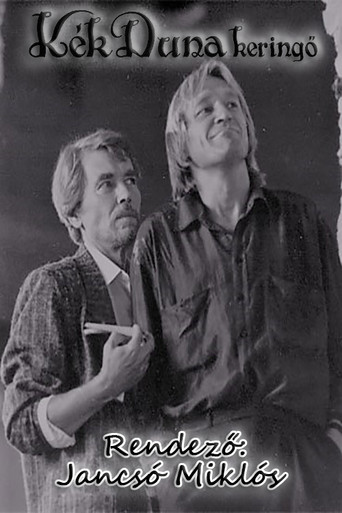
The Blue Danube Waltz
When Hungary's newest prime minister is shot and killed at a reception, the resulting investigation is necessarily swift and comprehensive. This compelling political thriller uncovers two prime suspects: the woman who guns the leader down, and a man who was friends with both the prime minister and his murderer. Using video surveillance footage, as well as other more artful and symbolic imagery, the noted "visualist" director Miklos Jancso, who is known for his craft in getting his points across non-verbally, combines fantasy and reality in a highly ironic manner.
Gallery