Directing
No biography available.
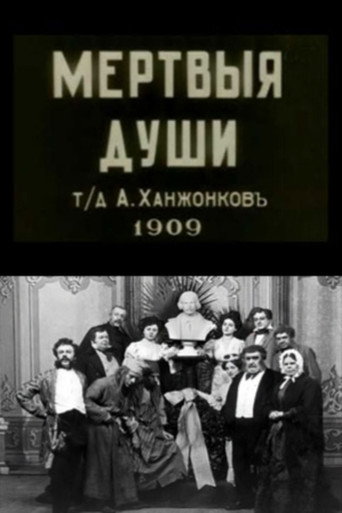
Film adaptation of excerpts from Nikolai Gogol's novel of the same name. Only two episodes are recreated faithfully: Chichikov's visit to Sobakevich and Chichikov's visit to Plyushkin. These episodes are followed by a series of scenes in which other characters appear without any connection with the plot. In the finale, everyone is photographed next to the bust of Gogol.
Based on the plot of L. Mey's play "The Pskovite Woman". A poetic legend about the arrival of Tsar Ivan the Terrible and his oprichniki in Pskov. Having destroyed Novgorod, the tsar moved to free Pskov, the city was waiting for the same fate. But the city was not ruined - the Terrible met in Pskov his illegitimate daughter Olga, whose existence he did not even suspect.
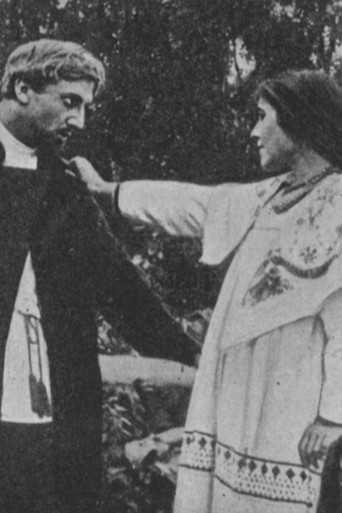
Two peasants in feudal Russia wish to marry but tragedy strikes. A grim if familiar depiction of the precarious condition of the rural life.
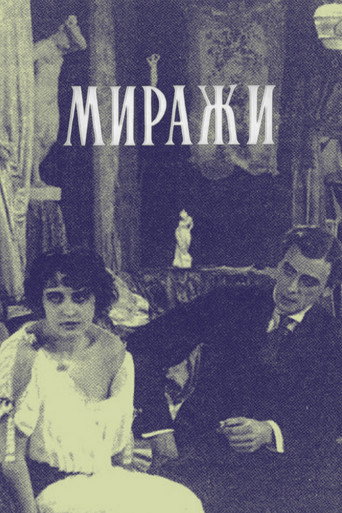
Paula is a circus performer married to the alcoholic clown-acrobat Lorio. Lorio's heavy drinking leads to him being severely injured during a performance. This forces Paula and the now-crippled Lorio to become street musicians. This film formerly ran to 81 minutes – regrettably, the second half is considered lost.
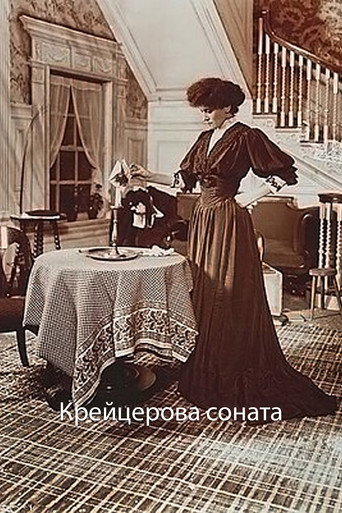
The Kreutzer Sonata is a 1911 Russian silent film directed by Pyotr Chardynin. The film is considered lost.
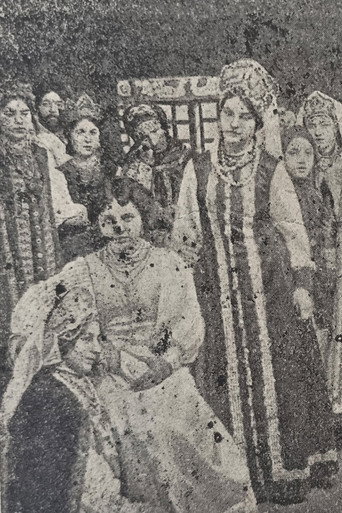
A dramatization of a wedding in 16th-century Russia, between members of two prominent boyar families (based on paintings by Konstantin Makovskii): Three matchmakers first visit the family of the prospective bride, and then do the same with the prospective bridegroom's family. Later, as the time of the wedding draws near, the bride is dressed with great formality and prepared for the ceremony, as the guests get ready to celebrate the upcoming wedding.
Based on Lermontov's poem of the same name, Boyar Orsha (Peter Chardynin) leaves the service of Ivan the Terrible.
Two gypsy lovers sneak away from camp at night. The man proposes, the woman refuses. He then murders her with a knife. The body is immediately discovered. The distraught man then leaps off a cliff to the rocks below.
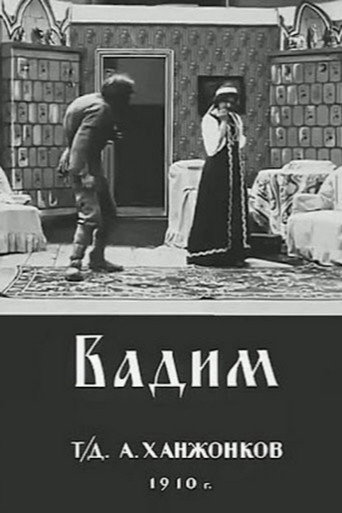
The landowner Palitsyn (Chardynin) long and successfully sues the neighbor. The lawsuit led to the ruin. He died, leaving orphans children — humpback a young boy Vadim (Speransky) and three-year Olga. In order to avoid condemnation, the Palitsyn takes the girl to the pupils. The young man vows to take revenge on the offender and leaves this region. Several years pass. Olga (Goncharova) becomes the beauty and object of desire of the elderly Palitsyn. Comes the hour of revenge. Returned and did not learn of Vadim goes to the Lord in slaves. Soon he reveals to Olga the truth about the real family. The girl agrees to help Vadim. Meanwhile, the younger Palitsyn — son Yuri returns to the estate. Olga falls in love with the young landowner and refuses to help her brother. Finally angry Vadim decides to finish with the whole hated family. He goes to the camp of Pugachev to later return to the estate of Palitsyn and take revenge.
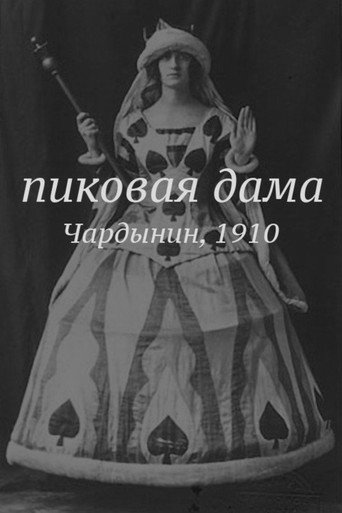
Based on Pushkin's short story: When his friends play faro, Germann always enjoys watching, but he never gambles himself. One day, as he is watching their game, he learns that an elderly countess staying nearby is said to possess a secret for winning a fortune at the game. Germann is determined to learn this secret from her, and he initiates a romance with her grand-daughter Liza, in order to improve his chances.
Based on the story by Pushkin. Pretty young Parasha is living with her widowed mother. Parasha diligently takes care of many household tasks, but she also enjoys flirting with the guards's officers who pass by her window, and she has one particular favourite. One day, Parasha's mother asks her to hire a cook, and to do so as cheaply as possible. Parasha and her beau soon see a way to use this situation to their own advantage.
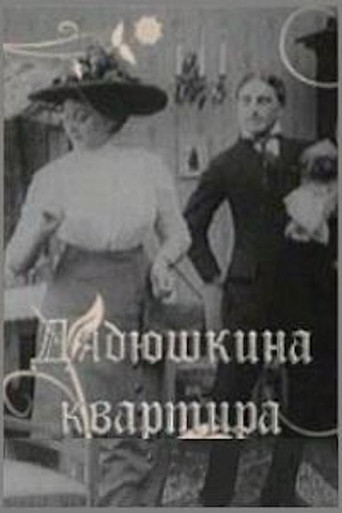
A man rents out his uncle's room to all kinds of people.
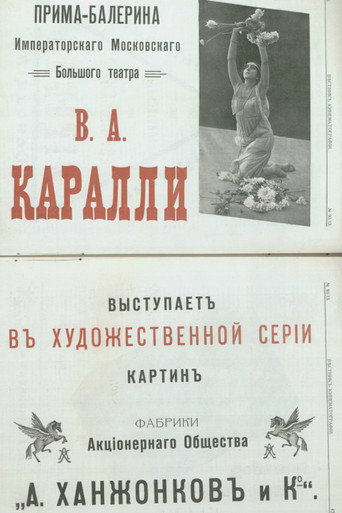
A tragic story of a ballerina.
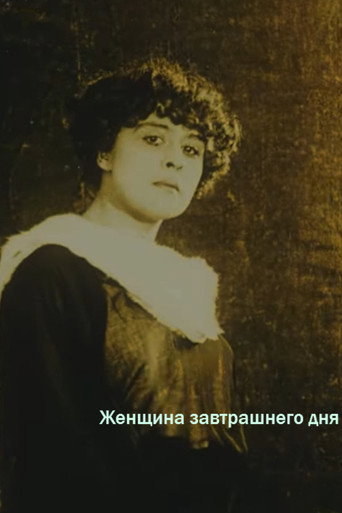
A female doctor is so busy with her work that she has too little time for her fiancé. He falls in love with a waitress and the two have a child. Though considered by some to be a proto-feminist yarn, the film dwells on the consequences that equal rights for women may generate rather than openly champion suffrage. Similar in to Ibsen's The Doll House in many ways, the film provides mannered, solemn melodrama, ably acted by Mosjoukine and Yureneva.
Marianna advertises for work as a reader and is employed by the reclusive millionaire Dymov. Appreciative of her sensitive, artistic nature, and of her youthful innocence and purity, Dymov is protective of Marianna and shields her from the attentions of his philandering playboy son. Marianna confesses to her fiancé Sergei that, at times, she feels deeply conflicted, drawn by the seductive lure of wealth and luxury. When her protector Dymov dies, his son begins to pursue her. Can Marianna resist her attraction to the opulent lifestyle that Dymov's son offers?
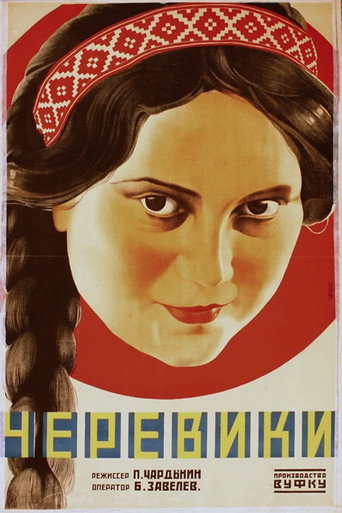
To justify the fantastic adventures of the blacksmith Vakula, the authors of the film “simplify” Gogol’s plot: Vakula, having drunk too much at Patsiuk’s place, falls asleep. And he sees this dream where the devil takes him to the palace of Catherine II in Saint-Petersburg; and there Vakula takes off the little shoes of the Russian empress to give them to his fiancée Oksana. And, really, drunk Vakula takes off the shoes while sleeping… but from Patsiuk. Later, when Vakula unwraps the package with the “royal slippers” in front of Oksana, he finds only Patsiuk’s dirty shoes there.
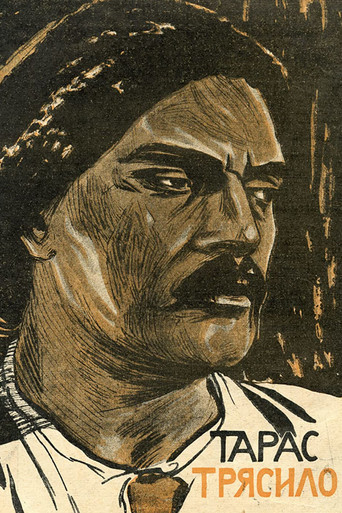
It's the 17th century, when social antagonism is at its peak. The poverty of peasants and poor Cossacks is opposed to the lavish lifestyle of the Ukrainian and Polish noblemen, priests, and Cossack officers. Cossacks fight off Tatars’ attacks, however, they start to realise that the real enemy is much closer. Taras Triasylo raises Cossacks to help the rebellious peasants.