Pouel Kern Movies, TV Shows, and Filmography
Pouel Kern
Acting
Biography
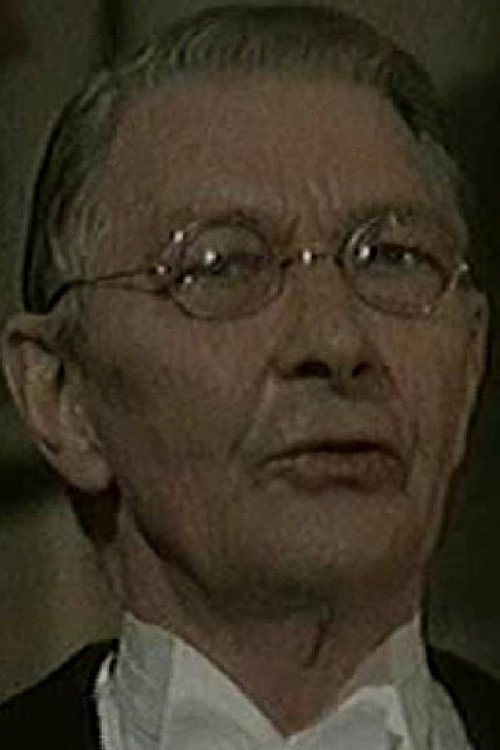
Pouel Christian Kern blev student i 1928 og blev herefter optaget på Det kongelige Teaters elevskole1929-1931, hvorefter han blev ansat på teatret, et teater han var trofast imod i mere end 50 år. Gennem de mange år fik Pouel Kern en lang række roller, men fik også mulighed for fra 1960'erne at medvirke i en række tv-spil, hvor Ka' De li' østers nok hører til de mest kendte. Udover arbejdet på teatret og i tv, fik han også indspillet en række film ligesom han var flittigt benyttet i radioen. Han var i mange år gift med skuespillerinden Blanche Funch.
Filmography Movies
Acting
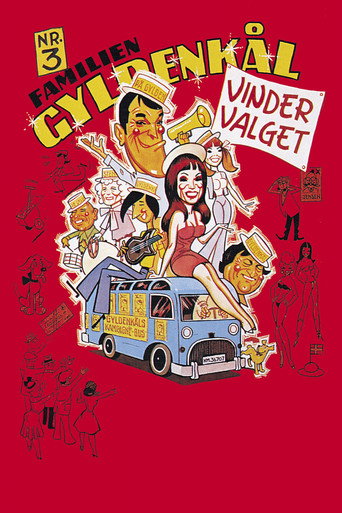
The Goldcabbage Family Gets the Vote
The final film in the Gyldenkål trilogy. Following a financial downturn, Charles Gyldenkål decides to run for municipal office. After an unconventional election campaign, he is elected to the city council and becomes the deciding vote in the mayoral election.
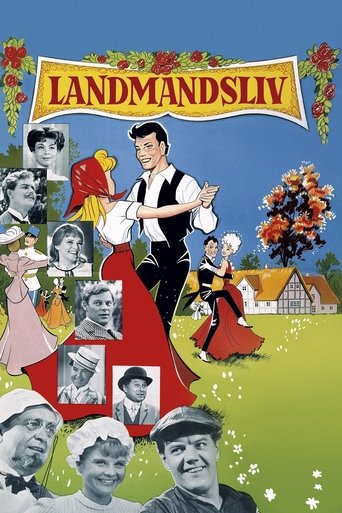
Landmandsliv
The landowner couple Von Rambow are experiencing significant financial difficulties and are therefore forced to leave their residence and their happy life in Copenhagen. Instead, they must settle for the more down-to-earth life of farmers. The young maiden Marie Møller is deeply in love with Von Rambow's cousin Count Frantz, but he prefers the estate inspector's beautiful Louise. The unfortunate Triddelfitz, on the other hand, is madly in love with Marie Møller, which leads to many complications before all the pieces of the puzzle of love fall into place.
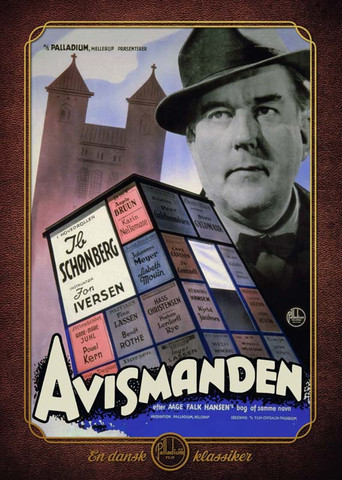
Avismanden
At Vesterbros Torv in Copenhagen, Olsen has his newspaper kiosk. Here comes high and low in society: Homeless, a district attorney with pain in marriage, a barmaid and a writer. They all fight with theirs, while Olsen's good heart makes him interfere in everything he can.
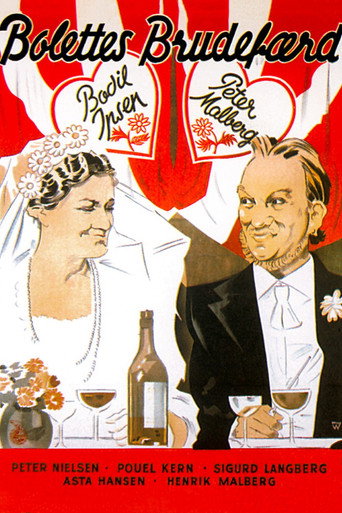
Bolettes Brudefærd
In a small Zealand village, where everything seems to be idyllic, lives the seamstress Bolette Jensen, a bold woman who has had her share of bitter experiences and is now feared for her sharp tongue. Bolette tends to speak her mind without mincing words, and since the truth is, as is well known, unheard of, she is not particularly liked by the parish authorities, the most prominent of whom is the parish council chairman Peter Enevoldsen. Bolette is given a serious task when the young, beautiful Sofie is about to have a baby, and Bolette immediately takes care of the unhappy girl and promises that she will probably walk up the aisle with her Karl.
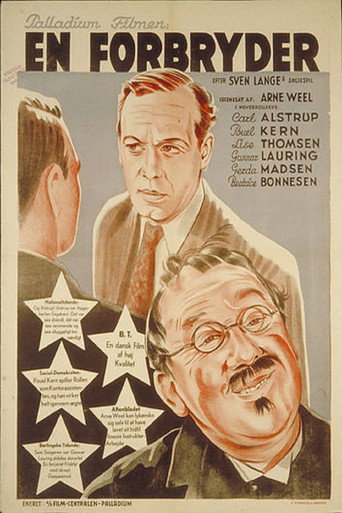
En Forbryder
In a large shoe store, Erik Hansen is the salesman for a sweet and smart young girl, Edith Bjørnfeldt, with whom he falls head over heels in love. He persuades her to go out with him in the evening. At a dance restaurant, they accidentally meet Edith's brother Willy Bjørnfeldt, a Copenhagener and one of the smart go-out types of the time. When Edith and her brother are alone at the table for a moment, Willy advises her to seize the opportunity and marry Erik, and thus say goodbye to the shoe business, which is hanging over her by the throat.
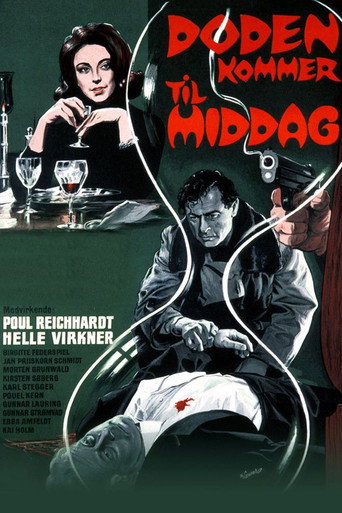
Death Comes at High Noon
A dark evening, a crime writer Peter Sander, drives through a forest when his car runs out of petrol . A little distance from the road there is a house with lighted windows, and he goes there to borrow a phone. Suddenly he trips over a tree root and sprain one foot . He lags up the forest road . Then there is a shot, a moment after running steps. A beam cuts through the dark. It goes out . The steps moves away. Peter gets up and stomps up to the house . No one responds to his knokking.
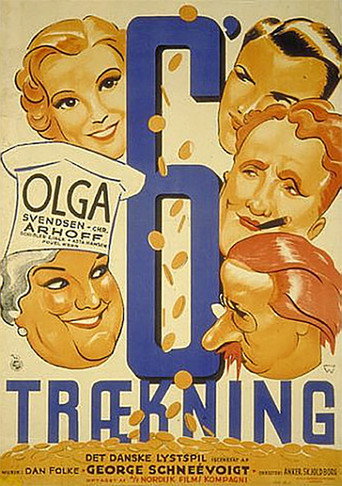
6th draw
Before tipsters and electronic lottery games, you could turn to centrally located citizens who sold lottery tickets. One such person is Peter Blomberg, and with him, butcher Lund and his wife won a quarter of a million Danish kroner! In 1936, that was so much money that you could throw it all around and radically change your lifestyle. And Mr. and Mrs. Lund do so in the most festive way... and Blomberg should also have a piece of the cake...
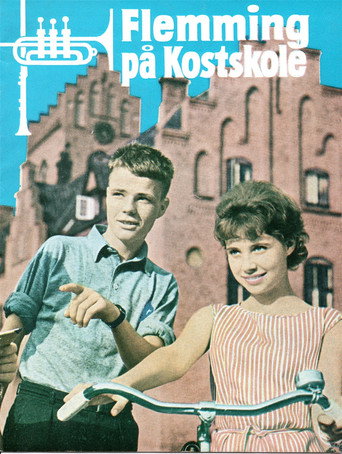
Flemming på kostskole
Flemming argues a lot with his parents. So they agree that it would be best for Flemming to go to boarding school. Here he encounters a completely different world and now has to try to cope in a boys' environment. There he discovers how good it is to have a family and that it wasn't the best solution to the arguments.
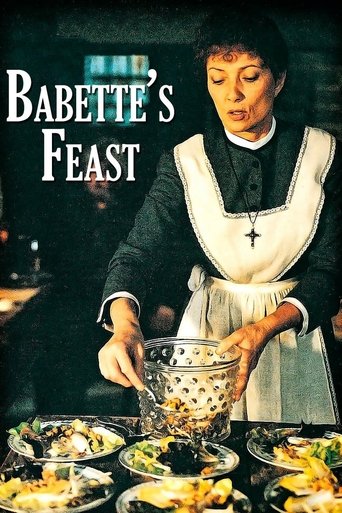
Babette's Feast
A French housekeeper with a mysterious past brings quiet revolution in the form of one exquisite meal to a circle of starkly pious villagers in late 19th century Denmark.
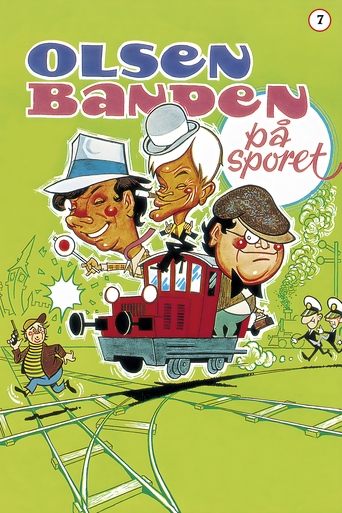
The Olsen Gang on the Track
Egon and his two cronies managed to sneak a fortune with them to Spain. Here they live a life in a whirl of pleasures, but they are not truly happy. While Egon always has the money chained to him, Bøffen still manages to steal them. Egon ends up in jail once again, and when he comes out, he has a brilliant plan.
Gallery