Directing
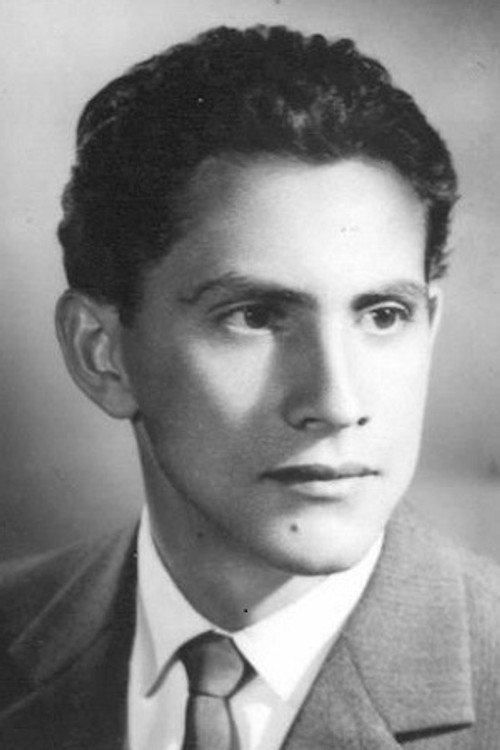
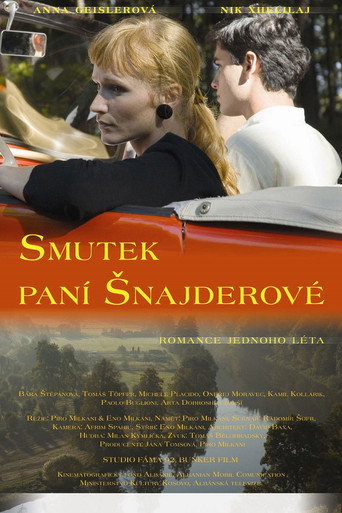
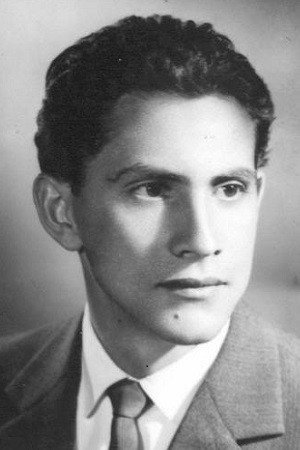
Piro Milkani was born on January 5, 1939, in Korçë (Albaniua). He is a director and cinematographer, known for Ngadhnjim mbi vdekjen (1967), Përse bie kjo daulle (1969), Ne kufi te dy legjendave (1982) and Smutek paní Snajderové (2008).
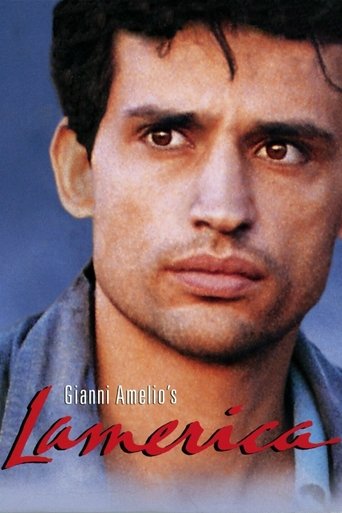
Fiore, an Italian conman, arrives in post Communist Albania with Gino, his young apprentice, to set up a shoe factory that will never open. The con requires a native Albanian, so they designate Spiro, an impoverished and confused former political prisoner as chairman of the board. When Fiore returns to Italy to get government funds for the project, Spiro unexpectedly disappears and Gino sets out on a journey to find him. The search leads him to discover Spiro's tragic personal history and witness Albanian poverty firsthand.
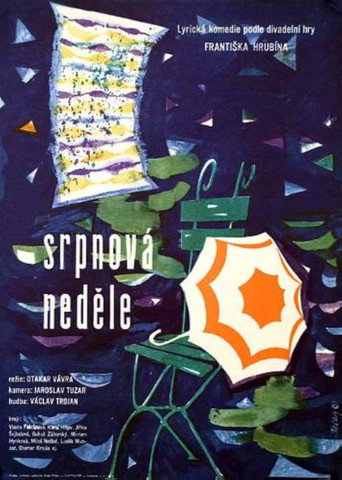
This lyrical comedy story takes place in two hot days in the small South Bohemian village. On the shore of a small pond, summer guests and local youth meet. As is typical of the works of Hrubín, it is a conflict of youth and age, life and death, represented by the medical student Zuzana and her beloved Jirka.
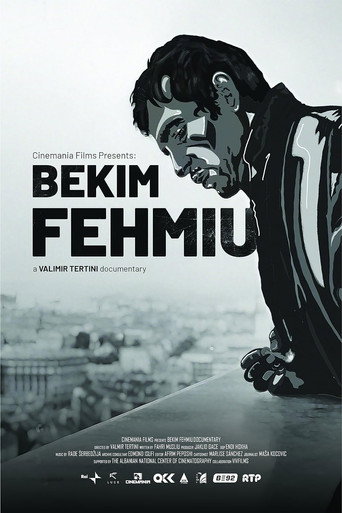
Albania and neighboring Yugoslavia officially broke ties in 1948. But in 1971, the Hoxha regime was honored to welcome the ethnic Albanian actor Bekim Fehmiu (1936-2010), at the time an international star in Yugoslav theater and film. Before his trip to Albania, Fehmiu had appeared in the popular Italian television smash The Odyssey (1968) and the Cannes-winning I Even Met Happy Gypsies (1967). Dokufest will also feature a photo exhibit of recently-discovered still images taken during Bekim Fehmiu’s Albanian visit.
Bekim Fehmiu was the first Eastern European actor to star in Hollywood during the Cold War, and he was one of the internationally best-known actors.
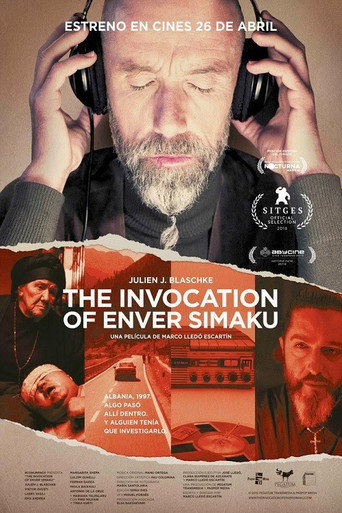
Albania 1997. Some ghostly, deteriorated video footage keeps Julien awake and obsesses him every night. Almost two decades after the murder of his wife, Angela, Julien returns to Albania with a determination to investigate her mysterious death, amidst a sea of impossible records, police files and visions of Beyond.
It is 1961 and an Albanian student (Nik Xhelilaj) of the Academy of Performing Arts in Prague, together with a group of Czech students, is shooting his graduate movie on a motorcycle factory, in the small market-town of Český Šternberk, in then Czechoslovakia. Coming from a country that is completely isolated from the rest of Europe, he is fascinated by the lifestyle, society and "erotic exuberance" of the Czech golden youth, yet feeling strong links with his family in his homeland. He falls in love with a married woman (Anna Geislerová), the wife of a police superintendent (Paolo Buglioni) and is insecure about his future.
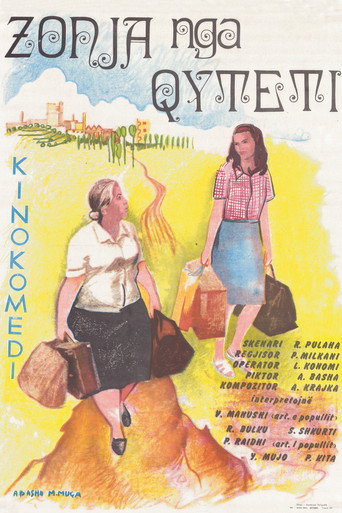
Olga's decision to live with her daughter Meli, who works as a doctor assistant, in a remote village turns into situations full of vicissitudes. After an entire trade fair of correspondence to find a groom from the city, Olga presents Koçi to Mili, who pretends to be a true artist. But Meli has fallen in love with Bujar, and doesn't seem to want move away from the village.
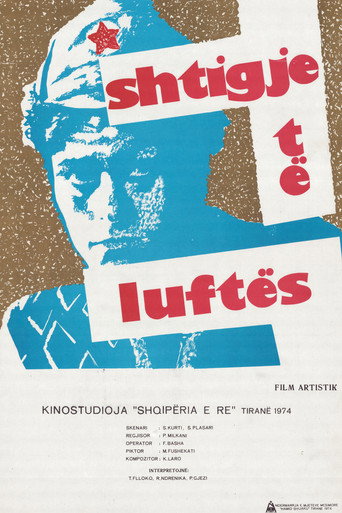
World War II - a famous warrior and a villager face the destruction of their village and heroically lead the people in a rebellion.
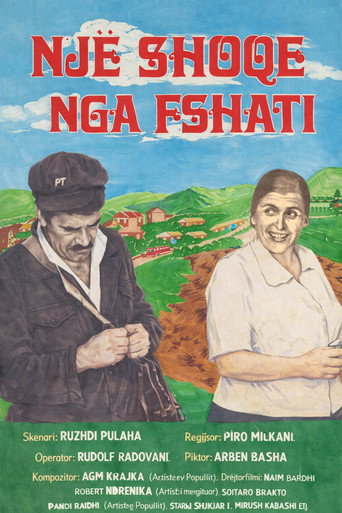
It is a cine comedy following "The Lady from the town". Olga is getting ready to go to a meeting of the district women activists, where she will relate her own experience in the struggle against conservative concepts. During a warm atmosphere, Olga sings the first lullaby to her newborn nephew: "Once upon a time there was an Olga who posed as a lady.Time passed by and the lady has become one of us, a comrade from the country"
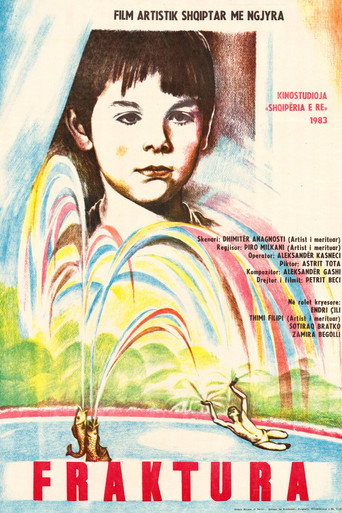
A story about a little boy who lives in Tirana, the capital of Albania.
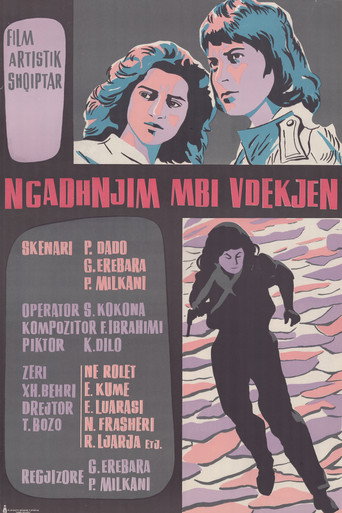
World War II. Albania is under the Nazi occupation. The Germans capture two young girls and torture them to learn more about the communist movement.
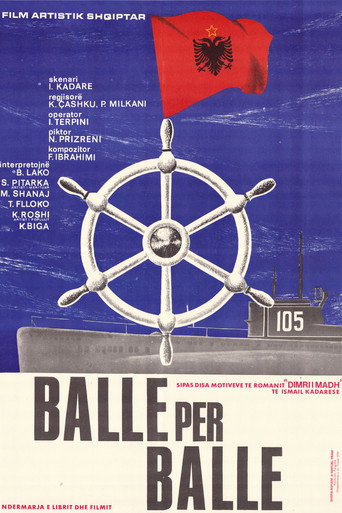
A translator at the conference of communist parties witnessed the biggest break between the two communist parties. The dramatic events in the military conflict take place on a naval base in Albania, which the Soviets did not dare to adopt. Based on a novel by Ismail Kadare.