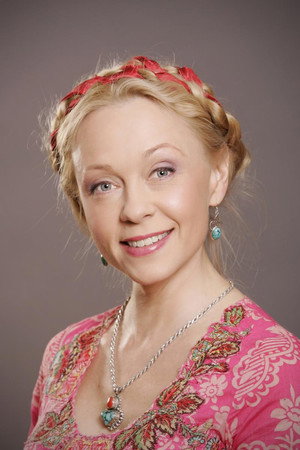
Piret Kalda Movies, TV Shows, and Filmography

Piret Kalda
Acting
Biography
Piret Kalda (born February 4, 1966) is an Estonian stage, television and film actress. Piret Kalda was born and raised in Tartu. She was one of three siblings. She attended schools in Tartu, graduating from Tartu No. 5 secondary school (now, Tartu Tamme Gymnasium). Following her graduation from secondary school, she enrolled at the Tallinn State Conservatory's Dramatic Arts Department (now, the Estonian Academy of Music and Theatre) in Tallinn, studying acting, and graduating in 1988. Her diploma production roles included Laurey Williams, in Richard Rodgers' Oklahoma!; Bianca, in William Shakespeare's The Taming of the Shrew; and Irina, in Anton Chekhov's Three Sisters. In 1989, Piret Kalda married actor Priit Künnapas. The couple had three daughters: Laura-Helene, Amanda Hermiine, and Aurora Aleksandra. Künnapas died of brain cancer in 2013. Kalda currently resides in Tallinn.
Filmography Movies
Acting
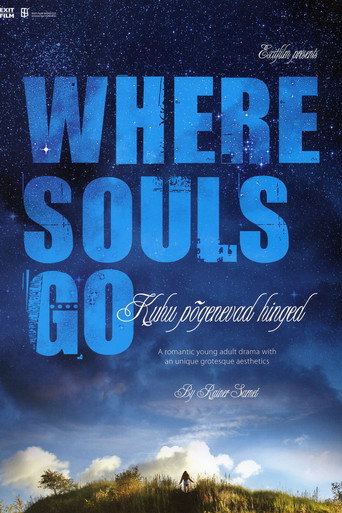
Where Souls Go
A teenage girl has problems with her family and life when her little brother is born with a heart problem.
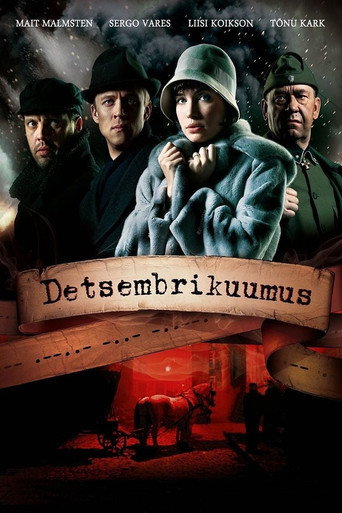
December Heat
The young country of Estonia is dancing to the jazzy tune of the 1920's when on December 1, 1924, the capital Tallinn is overrun by members of the Comintern in an attempt to stage a Communist coup. The film follows the fates of a young soldier called Tanel and his wife, a telephone operator named Anna, amidst the ensuing chaos which determines whether the country remains independent or becomes a minor province in the Communist Empire.
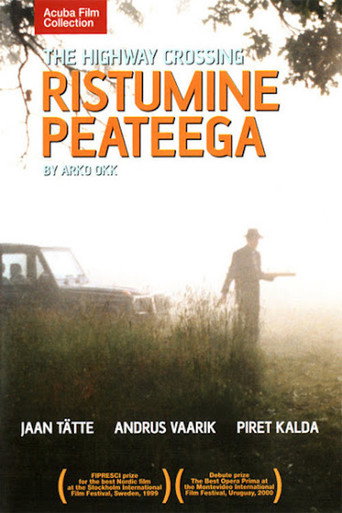
The Highway Crossing
Surprised by rain and sudden darkness Laura and Roland, a young couple hitch-hiking on an empty road, decide to seek shelter at a nearby country house. Osvald, the owner, seems to know the deeper meaning of their unexpected visit. His strange behaviour leads to an equally strange offer: Osvald wants to buy Roland's wife. Laura and Roland start to play along, only to discover that their host is not kidding.
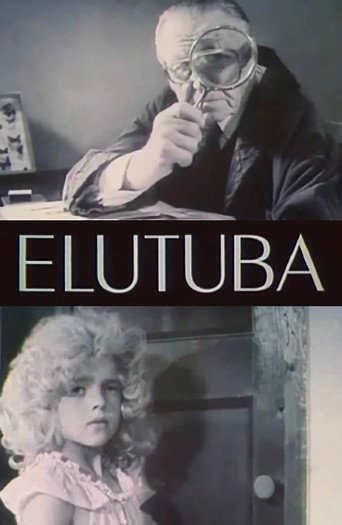
Living Room
Film about conflict between young and old generations. In this animated film with live actors the protagonist is a girl, who is brought up by her grandfather. He lives in a strictly regulated world where animate as well as inanimate creatures have fixed places, which are marked by chalk on the living-room floor. Anything surpassing those borders is mercilessly scarped out of the film strip. The young girl, in whom the primal forces of nature are awakening, learns from her grandfather’s fading sexuality. She starts to scrape the filmstrip as well, to change the world according to her own will. What will she draw instead of her past childhood?
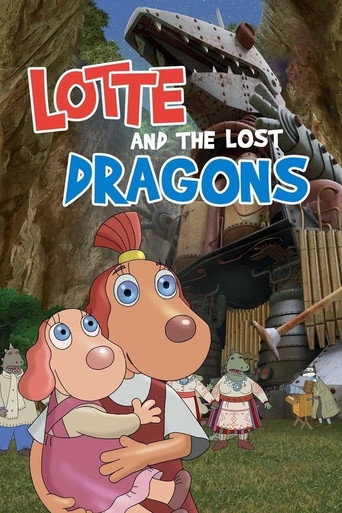
Lotte and the Lost Dragons
Lotte gets a little sister named Roosi. Two scientists Karl and Viktor come to Gadgetville, they are taking part in a big folk song collecting competition. Whoever succeeds in recording the folk song of the world’s oldest animal species, wins the competition’s grand prize. Lotte and Roosi decide to help the scientists. Exciting and unexpected adventures await the sisters.
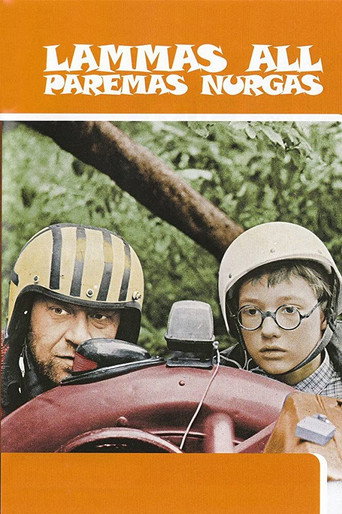
Lamb in the Down Right Corner
A warm movie about two boys, who discover a secret of a painting that was considered to be lost. The adventures begin, when a boss of a bunch of criminals finds out about the painting.
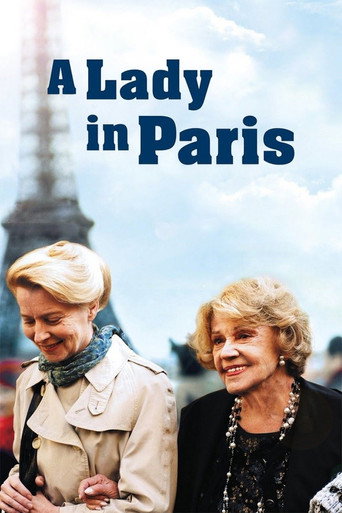
A Lady in Paris
Anne leaves Estonia to come to Paris as a caretaker for Frida, an elderly Estonian lady who emigrated to France long ago. Anne soon realizes that she is not wanted. All Frida wants from life is the attention of Stéphane, her younger former lover. Stéphane, however, is desperate for Anne to stay and look after Frida, even against the old lady's will. In this conflict of strangers, Anne will find her own way…
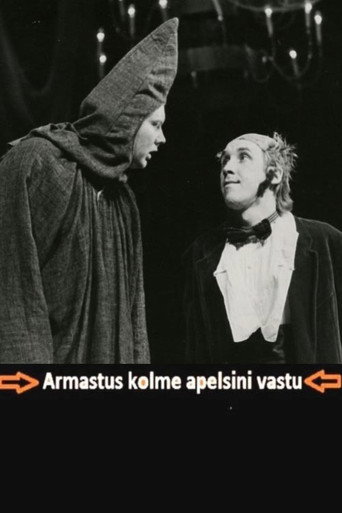
Love for Three Oranges
"Love for Three Oranges" is the first play by Carlo Gozzi (December 13, 1720 - April 4, 1806). He wrote it in 1761. The play is based on a parody of the fairy tale "Love Against Three Oranges". It was originally written as canovaccio (the explanation of the content on which commedia dell'arte actors improvise the text), but later Gozzi also added some dialogue instructions and critical explanations.
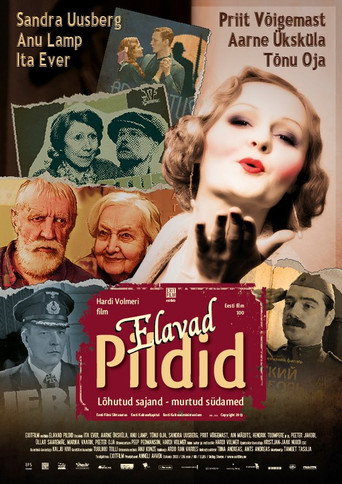
Living Images
The main character, Helmi, is born into the house of Baron von Strandmann in Old-Town Tallinn, in 1908. The only thing that she knows for sure about her past is that her mother was an Estonian servant girl. Everything else is a discovery during a life that runs the course of a century - a life that has quite a lot of surprises in store for Helmi. In this house she finds happiness and suffering, passion and disappointment. She grows up alongside young Erik and waits for her big love to blossom. But one floor down lives projectionist Julius - a man who is far from indifferent when it comes to Helmi. All of the biggest historical events of the century leave their mark on the house. Its hardwood floors have born soldiers' gruff boots and gentleman's shiny oxfords. Its walls have held the fates of people from far and near, foreigners and locals. Helmi's home becomes a German salon, a revolution museum, and a working class commune. And as freedom comes, real estate crooks start sniffing ...
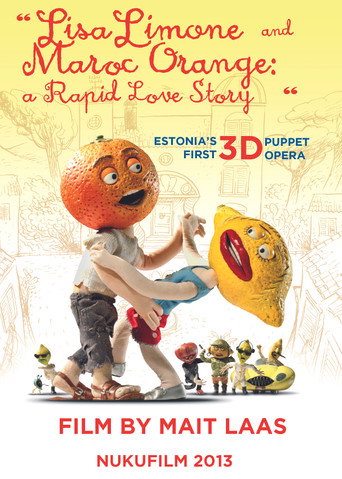
Lisa Limone and Maroc Orange: A Rapid Love Story
Love blossoms between Maroc, a singing boat refugee, and Lisa, a collector of singing seashells who dreams about love.
Gallery