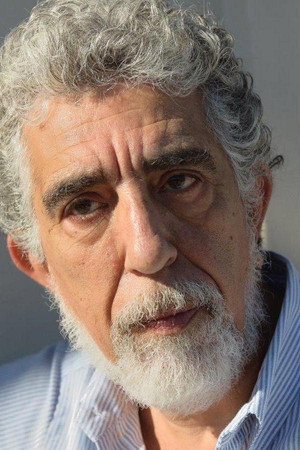
Pino Calabrese Movies, TV Shows, and Filmography
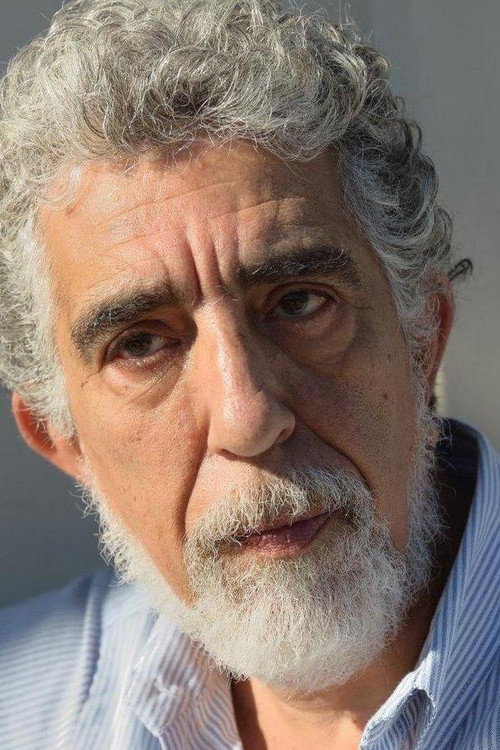
Pino Calabrese
Acting
Biography
No biography available.
Filmography Movies
Acting
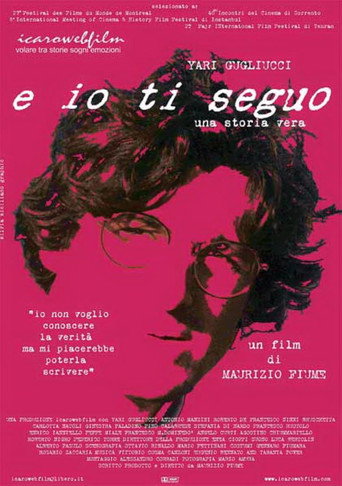
E Io ti seguo
Giancarlo, a young Neapolitan animated by a great passion for journalism, is called as a correspondent in Torre Annunziata for the newspaper IL MATTINO. He begins to investigate the underworld and despite the difficulties he doesn't give up. His intuitions take him so far that the clan leader Gionta considers him too uncomfortable a character. The film reconstructs the last days of the life of the Neapolitan journalist Giancarlo Siani, killed by the Camorra in September 1985. It does so with the participation that a friend like Fiume had of Siani and with the courage to face a narrative that is absolutely different from the one of the debut film "Isolde".
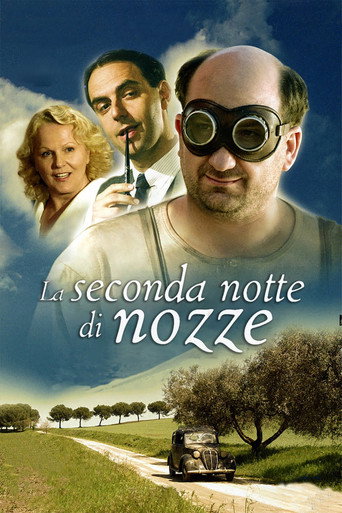
The Second Wedding Night
When his destituite widowed sister-in-law—whom he had never stopped harbouring feelings for—and her ne'er-do-well son come to live with him after World War II, a mentally-ill farmer who spends all his time destroying unexploded ordnance scattered across the countryside finds a new purpose in his lonely life.
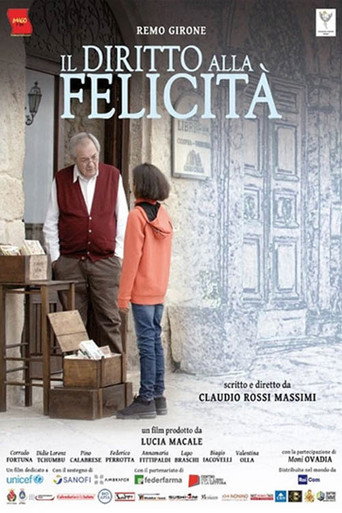
The Right to Happiness
The Right to Happiness centers on a small used book store in a small plaza in a small town with big vistas, somewhere in Italy. It sounds like a book lover's fantasy, and maybe it is. The bookseller, Libero, knows most of his rather eccentric customers and can barely bring himself to take their money (although fascists pay double). When a young boy, Essien (Didie Lorenz Tchumbu), an émigré from Burkina Faso, happens on the shop, Libero begins lending him books of increasing difficulty. From Pinocchio to Moby Dick, Essien can read as fast as Libero can lend, and the two form a bond over reading and meaning. "Books should be read twice," Libero says. "Once to understand them, and once to think." Life should probably be lived like that too, but the bookseller's name means "free," and freedom is what Libero bequeaths to Essien.

Other Fathers
Giulio, a skilled salesman, father and caring husband, suddenly finds himself homeless, without money, and without a family, when his wife Annalisa asks for a divorce, forcibly removing him from his children with false accusations of violence and drugs.
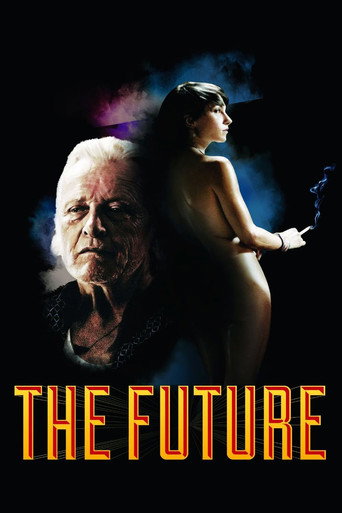
The Future
When their parents die, Bianca starts to smoke and Tomas is still a virgin. The orphans explore the dangerous streets of adulthood until Bianca finds Maciste, a retired Mr. Universe, and enters his dark mansion in search of a future.
Chi mi aiuta?
Paolo and Carlo are good friends. The first introverted, disillusioned and intellectual, while the other is happy if shallow. Despite their differences they share accommodation. Paolo runs an “alternative” kind of library; Carlo plays the violin in a little band. Their lives go on peacefully, when suddenly Paolo falls in love with one of his a customers - Lili, an amateur actress - whom he decides to take home. Carlo doesn’t react well to the fact he’s got to share with a third person, so he comes up with a weird idea - he flirts with the new girl and manages to seduce her. Paolo thinks his best friend is now guilty of a real betrayal, while Lili is undecided: she’s attracted by both the culture of Paolo and the physical attraction of Carlo. This love triangle ends when Paolo tries to commit suicide, Carlo feels guilty and Lili leaves them both, returning to her previous life and still hoping to find her one true love.
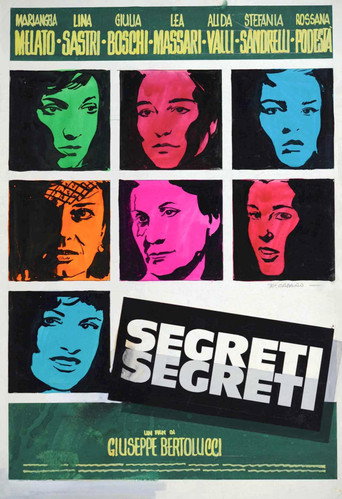
Secrets Secrets
Young terrorist Laura shoots both a judge and a comrade, and over time her violent act becomes a thread linking the lives and fates of several other women. Each has her own secret, including the lawyer who listens to Laura as if in a ‘trance’: moments before, she discovered her husband was cheating.
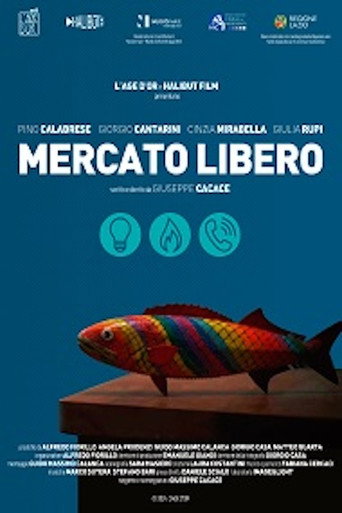
Mercato libero
Paolo is on trial at a call center. He has the time of a phone call to convince the elderly Nando to give him his credit card details. A short film on the vulnerability of the elderly and on jobs that dirty the conscience.
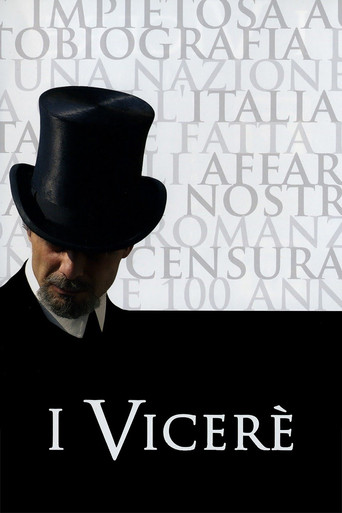
I Vicerè
In late 19th-century Sicily, the noble Uzeda family—whose lineage dates back to the ancient viceroys that ruled those lands—fights to preserve its waning power in the face of the newly unified Italian regime.
Gallery