Acting
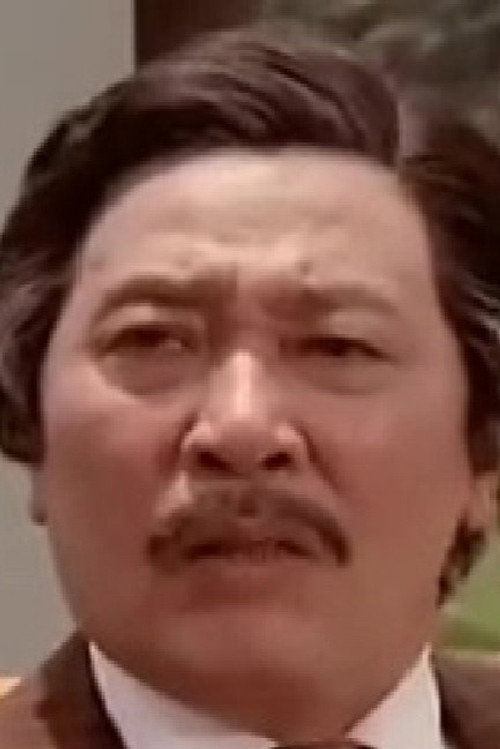
Ping Fan (平凡) was a Chinese actor born as Ping Yongshou (平永寿). He mainly acted in Hong Kong movies.
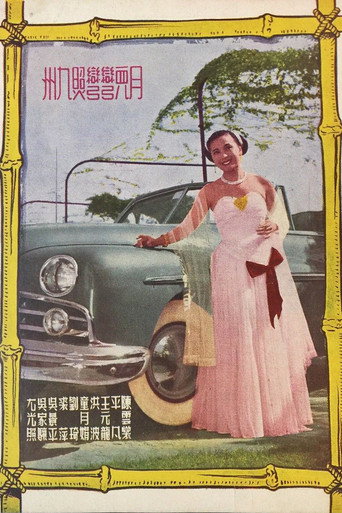
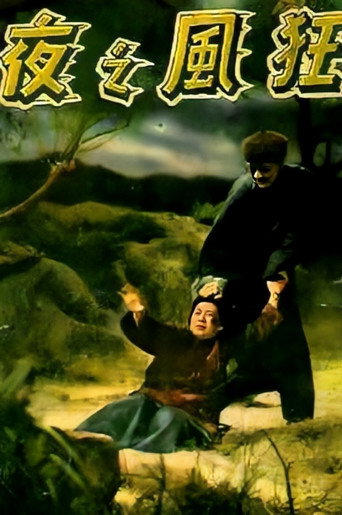
An early Musical by the Hsin Hwa Motion Picture Company.
Teacher Huang San extends to his pupils the high principles of patriotism, thus arousing the hatred of the occupying Japanese. Huang is forced to flee and to escape from the Japanese clutches. One night, he helps a robber escape from a pursuing Japanese officer by firing his gun and thus unintentionally kills the Japanese. Huang San follows to his hideout and from then on, Huang San joins the bandits. Huang San attempts to rob a house but discovers that the occupant is none other than his student Wang Zhongkang who is involved with the guerrillas. Huang San decides to help Zhongkang raid the military arsenal of the enemy. However, as Huang gradually gains the trust of their chief, some jealous associates within the bandit group informs on him. Huang and Zhongkang carry out their raid amid a fierce confrontation, Zhongkang successfully implements his mission but Huang is killed in the battle.
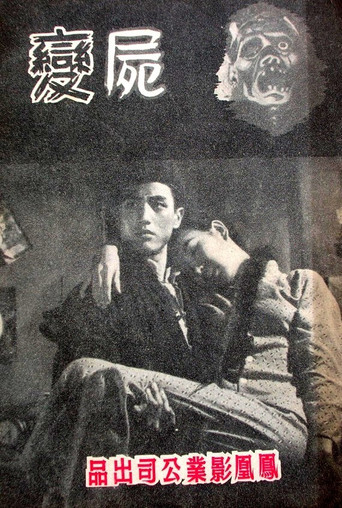
HK horror film.
Famed director Zhu Shilin tries his hand at a horror film! The beginning of The Living Corpse immediately sets the tone with a folk duet clearly inspired by the popular 1956 musical Songs of the Peach Blossom River. The duet, in addition to Zhu's frequent use of long, empty shots and crisp editing, gives this horror film a traditional poetic charm and a strong folk flavor. Mise-en-scene and sound effects create a terrifying atmosphere, and successfully communicate the ghostliness of a world without ghosts.
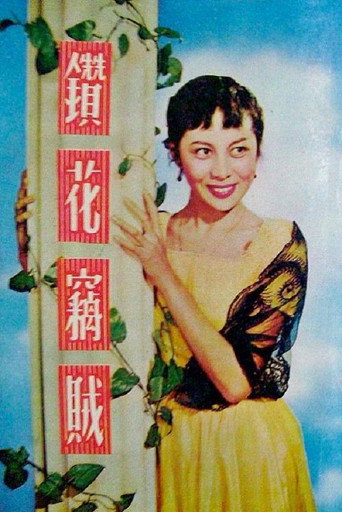
HK drama film.
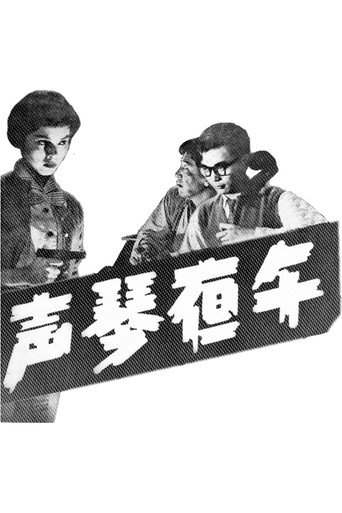
A diamond flower from the rich merchant Sun was stolen, his neighbors gathered a detective group to solve this problem.
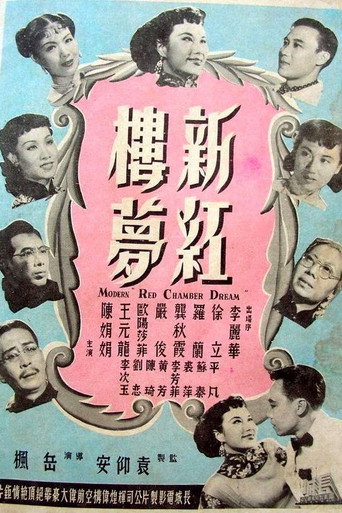
Dream of the Red Chamber, one of the big four of classic Chinese novels, has been adapted for film and television dozens of times over the past decades. Yet this sui generis Great Wall production daringly transposes the setting to modern-day 1950s. The contemporised story revolves nonetheless around the love triangle between Jia Baoyu and his two cousins. Both girls love him but his heart belongs to only one. The ending, however, is remarkably changed to separation of the lovers as a result of war—the war that was surely still haunting the minds of the filmmakers at the time when the film was made. Not only did Great Wall pour money into building extravagant sets just so to recreate down to the smallest detail the grandeur of the legendary Jia mansion, but the film also boasted of its lavish costume designs for the diverse female cast. (From Hong Kong Film Archive)