Acting
No biography available.
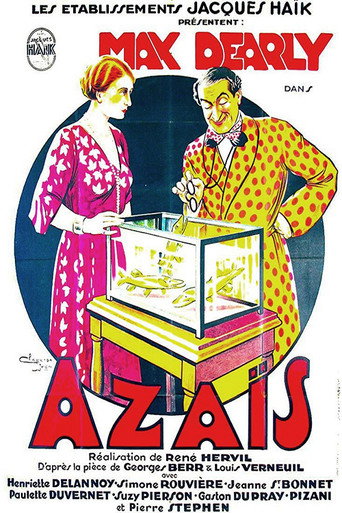
Remember when Julie Andrews in The Sound of Music says "Every time God closes a door, He opens a window?" Well, this is basically the same philosophy followed by a sage authority named Professor Azais. Though he is never seen in the film, Azais's influences dictates every move made by Le Baron Wurtz (Max Dearly), a private tutor. Though he suffers quite a few setbacks, Wurtz presses on, armed by the Azaiz philosophy that every time something goes wrong in one part of the world, it is balanced by something going right elsewhere. This "law of compensations" pays off in big laughs for the audience, and in a happy-ever-after for Wurtz. Azais was based on a play by Georges Berr and Rene Verneuil.
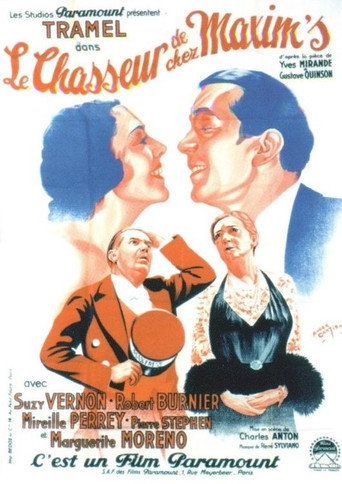
A man is a hunter at Maxim's restaurant. He lives in the provinces and his family is unaware of his profession. As soon as he has enough money, he quits his job and goes home for his daughter's wedding to a marquis. This one is a regular at the restaurant and the man tries to prevent the wedding before the truth is discovered.
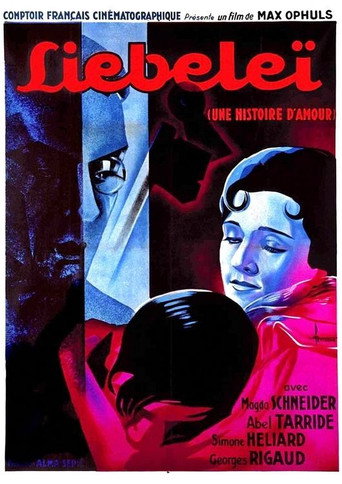
A young German officer's life is turned upside when he tries to end his affair with a married baroness after falling for an innocent young singer. French version of Ophuls' Liebelei.
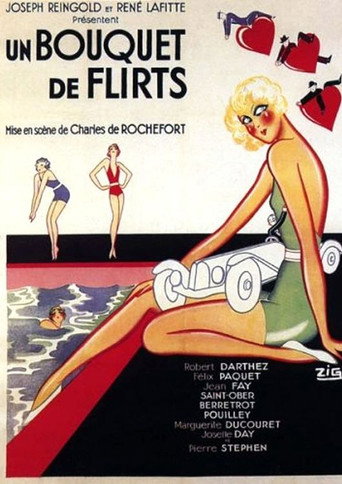
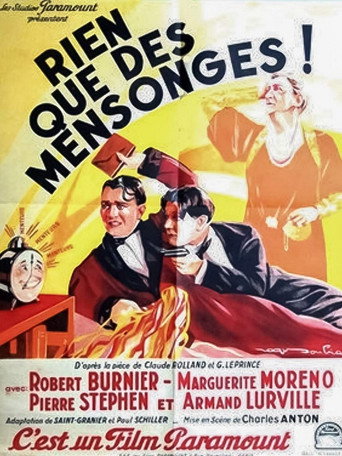
Two husbands claim to be Freemasons so they can go out at night. Where do they go, if not to the lodge, the Masonic lodge? In reality, one goes to visit a pretty and particularly welcoming concierge in his dressing room, and the other spends his evenings in the dressing room of a little music-hall actress.
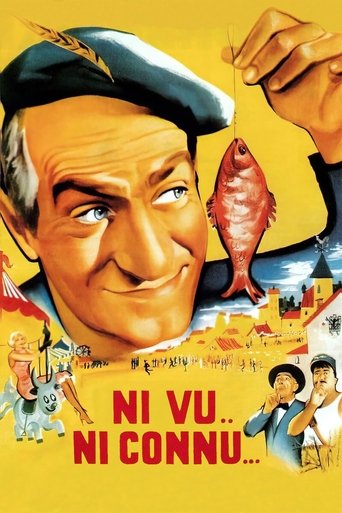
In a small French village, everything would be quiet if the local wildlife cop was not being ridiculed by a smart poacher.
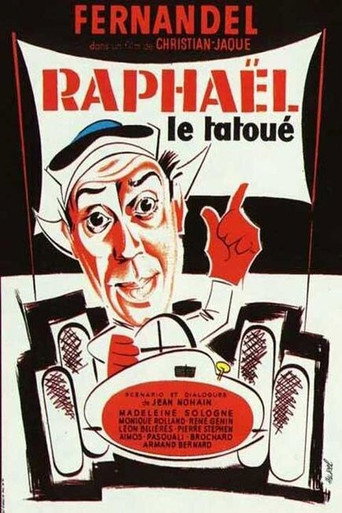
Modeste is a timid watchman at an automobile factory which is run with an iron hand by its owner, Roger Drapeau. One evening, Modeste leaves his post to visit a fairground, where he meets the attractive Aline. Having glimpsed his employer, Modeste makes a hasty return to the factory. When Monsieur Drapeau appears, Modeste explains that it must have been his twin brother that his boss saw at the fairground, a nasty piece of work named Raphaël. Not only does Drapeau fail to see through this unconvincing lie, but it gives him an idea to win a marathon car race. Modeste and Raphaël will take alternate turns in the stages of the race and, because they are so similar, no one will be any the wiser. Unable to admit that he has no brother but afraid of losing his job, Modeste allows himself to be coerced into taking part in the race...
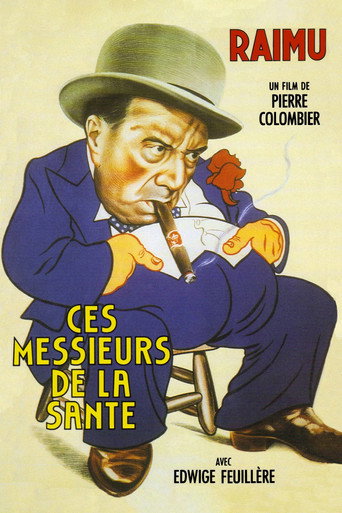
Banker Jules Taffard, a true financier, is a shrewd money-handler. Imprisoned for an alleged swindle, his trial seems to be upsetting those in the government, who may not be so far removed from Taffard's affairs (Affaire Alexandre Stavisky). He escapes from La Santé prison without any difficulty, and the authorities don't seem to be doing anything to find him... Under the false name of Gédéon, he becomes a modest handyman in a corset shop run by Madame Génissier, whose morality is as pious as it is legendary. Her son, Hector Génissier, is a foolish young man with no ambition, much to the regret of his young wife, Fernande Génissier. But it won't be long before Gédéon shows his skills in expanding the modest family business. How far can Gédéon's ascent go before Taffard's voice resounds through Gédon?
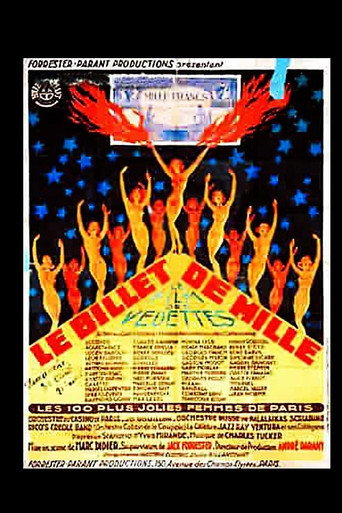
The tribulations of a banknote, from its exit from a counter to its destruction, passing through dozens of hands.