Acting
No biography available.
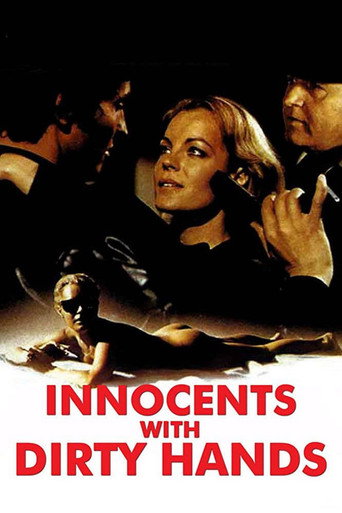
Saint Tropez. Julie Wormser and her lover, writer and neighbour Jeff Marle, plan the murder of her wealthy husband Louis, an alcoholic impotent. She hits him, and leaves the rest of the task to Jeff. Julie finds herself alone the following day, and becomes therefore the prime suspect. Where is Louis' body? Where is Jeff? Is there any secret beyond a door?
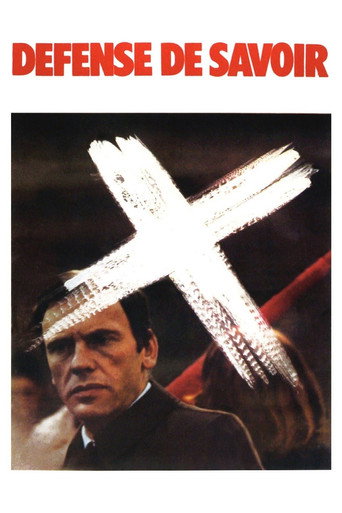
When a woman is accused of murder, the investigation slowly reveals numerous political connections. Laubret, the court-appointed defense lawyer, does everything in his power to expose the truth.
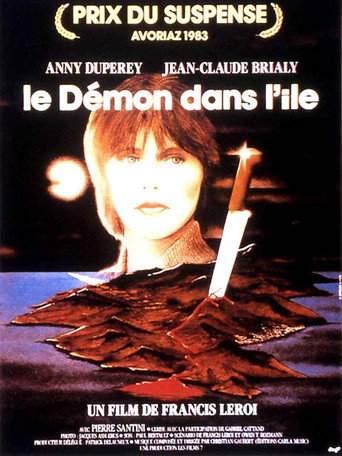
An epidemic of appliance madness unrelated to discount sales strikes an island off the coast of France: the islanders are being murderously attacked by ovens and refrigerators acquired in the same department store. Enter the young Dr. Gabrielle Martin (Anny Duperey), who arrives here to escape her own personal tragedy and instead lands in the middle of the kitchen mania. She tracks down the cause of the rapidly spreading epidemic to another doctor on the island — quite as insane as any of the kitchen appliances (if the comparison could be made) — and finds that the villainous doctor and the appliances have a most unusual link. Graphic scenes of mutilation by an oven, as one example, leave nothing much to the imagination in this film, but the interpretations of actors Anny Duperey and Jean-Claude Brialy as the good and evil doctors are excellent.
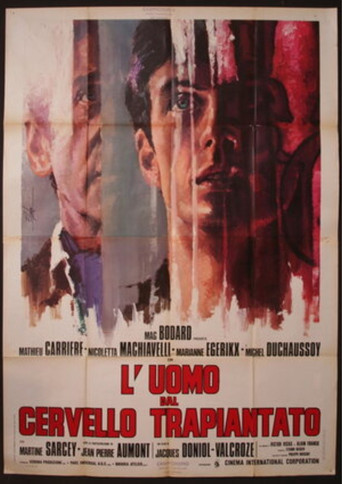
Professor Marcilly is a famed brain specialist who, following in-depth and extended research work, is now able to perform brain transplant surgery. One day, he finds himself in the presence of a young car accident victim for whom the only hope of survival would be a brain transplant. Marcilly, who has a heart condition and is terminally ill, decides to become the "donor". The operation is a success. But who is actually the patient discharged from the hospital: a young fellow with the brain of a young man or an old man in the body of a young one?
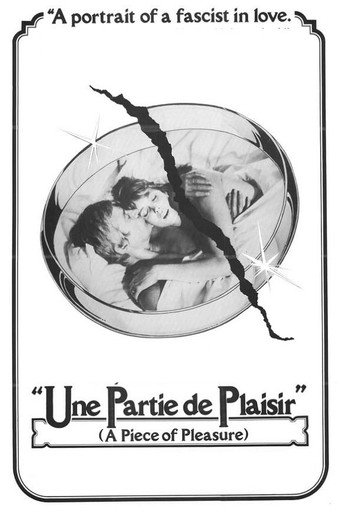
Phillipe and Esther live an apparently idyllic life with their daughter, Elise. In an attempt to preserve this bliss, Phillipe decides that he and Esther should each have affairs, being sure to tell each other openly about them. The plan backfires with tragic results as Phillipe becomes engulfed in jealously.
A picture of humankind in Paris: singers, shows, social gatherings, businessmen, nightclub barmen, bums, shoppers.
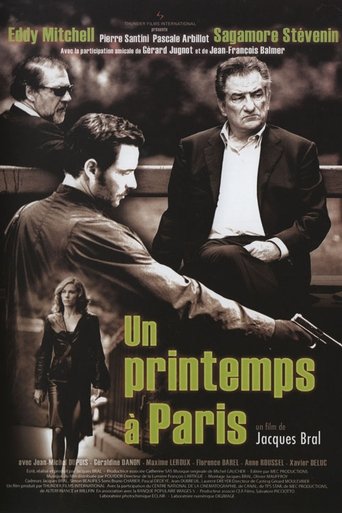
After being released from prison, a burglar is convinced by a former accomplice to participate in the theft of a precious jewel belonging to a rich heiress.
Right in the middle of a game of tennis, two childhood friends are facing.What's going on inside these two men's heads as the game comes to its end?
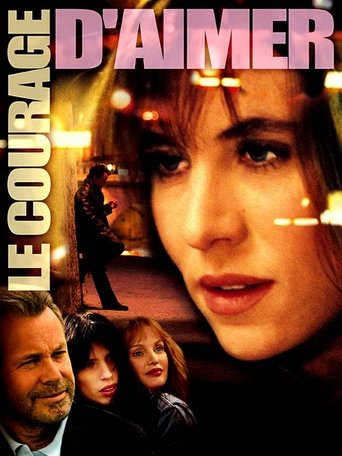
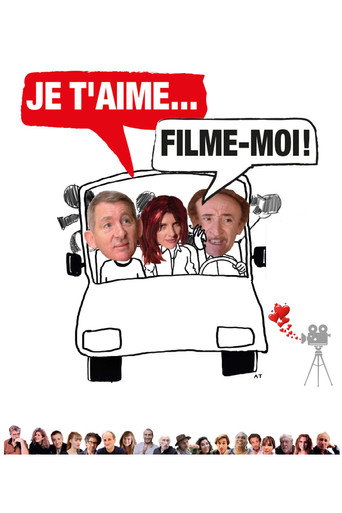
This film is a tribute to love, a tribute to cinema. Our two main characters take us with them into the intimacy of "real people". We cross the roads of France with them, in their different vans and pick-up trucks transformed for the occasion into mini movie studios. Their concept: to film "declarations of love" and to deliver them directly by van to their recipients. And we discover, as we go along, that our duo and their own personal adventures are subtly intertwined with the people they film. This mix of genres offers several universes to the spectator in order to make him question himself about love.
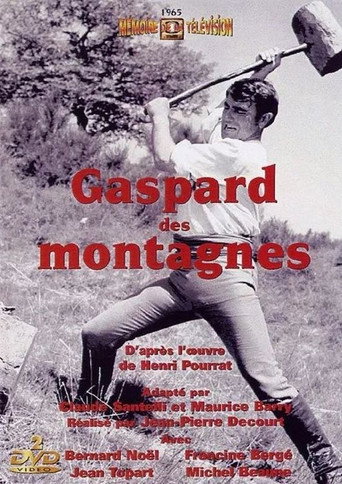
We are in 1814, in Auvergne, in the dark fir forests of Livradois, near La Chaise Dieu. Gaspard and his beautiful cousin Anne-Marie see their love thwarted and their lives disrupted because of a treasure that an old uncle, who made his fortune in Guadeloupe, buried in the mountains of Auvergne.
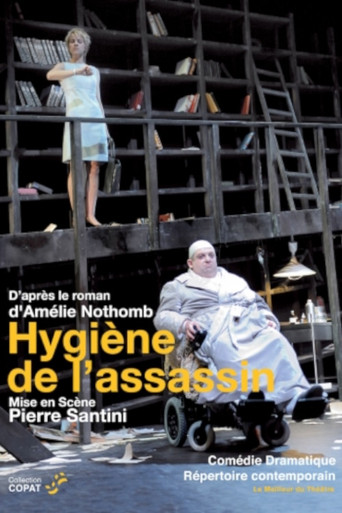
A staging of the play "Hygiène de l'assassin" based on the novel written by Amélie Nothomb.