Directing
No biography available.
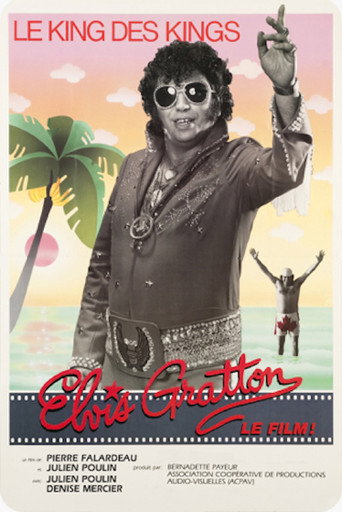
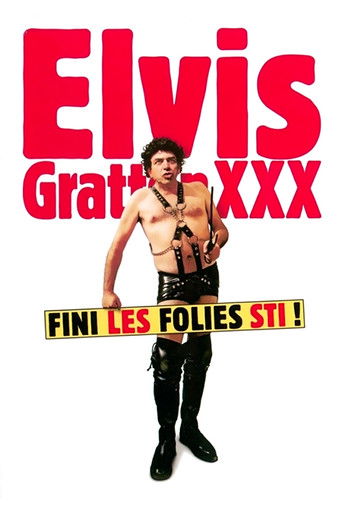
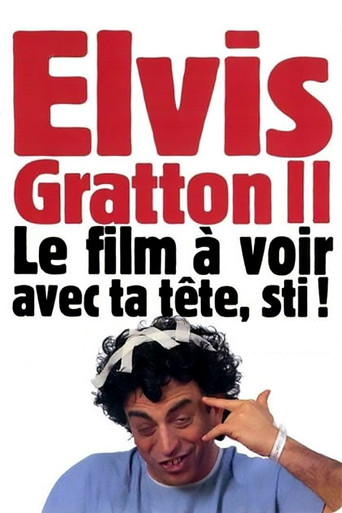
A Québécois Elvis impersonator is disillusioned to find a Chinaman participating in an Elvis contest. He later takes his wife on vacation to the island of Santa Banana.
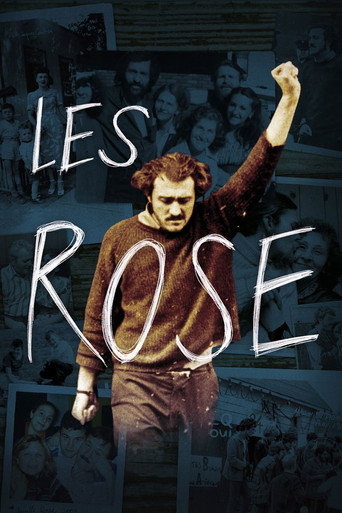
In October 1970, members of the Front de Libération du Québec (FLQ) kidnapped and murdered Minister Pierre Laporte, part of an unprecedented crisis in Quebec. Fifty years later, Félix Rose tries to understand what could have led his father and uncle to commit such crimes. Thanks to his uncle Jacques, who agrees for the first time to speak on the subject, and to the traces left by his father Paul, he revives the heritage of a Quebec working class family. The fruit of ten years of research, Les Rose allows us to revisit a time and people that we knew through clichés, and gives a glimpse of the experiences of a rebellious youth and the crimes that followed.
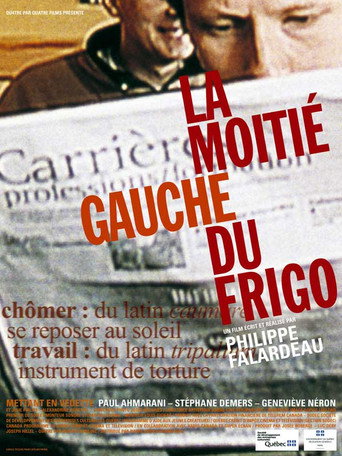
Christophe agrees to be filmed by his roommate Stéphane, while he is searching for a meaningful engineering job. Since he voluntarily resigned his job when he was to be moved to quality control, he does not get unemployment benefits, and goes to classes on how to contest the decision.
Through archival footage and testimonials from some of his closest friends and family, filmmakers Germán Gutierrez and Carmen Garcia paint a portrait of filmmaker and polemicist Pierre Falardeau, who died on September 25, 2009.
A short film created (and narrated) in 1985 by Québécois director Pierre Falardeau. It compares English rule in Ghana with Canadian dominance in Quebec by showing the 200th anniversary celebration of the Beaver Club of Montreal.
A bumbling man finds adventure in the media world.
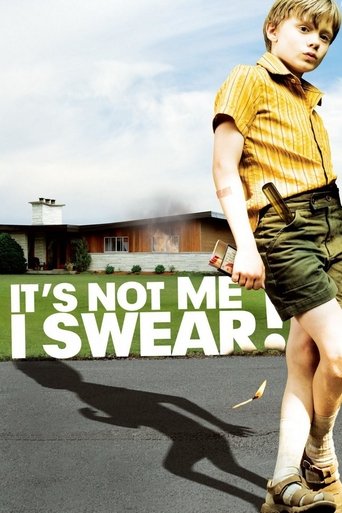
During the summer of 1968, Leon, a 10-year-old boy, navigates the hardships of young love, his lunatic mother's whims, and his urges to vandalize the house of his neighbors.
A depressed rock star, maimed in an accident, is encouraged by his manager to start a new worldwide trend.
This film covers the transitional political period between the election of the Parti Québécois on November 15, 1976, and the Canadian federal election that brought Joe Clark to power. Featuring some of our most colourful politicians, historians, journalists, artists and citizens, this film highlights in parallel the convictions of each on the national political question, on the eve of the first Quebec referendum. Montage of newsreels shot between the election of the Parti Québécois on November 15, 1976, and the federal election of 1979.
Elvis Gratton, dead for three days, comes back to life.
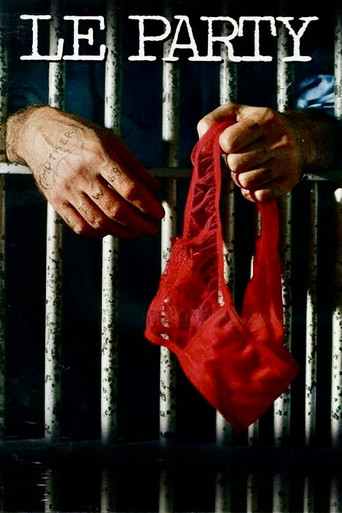
At a maximum security prison, there is preparation for the annual party where entertainers and strippers are scheduled to perform. But not everyone is having fun. A man is sent to solitary, his wife has a nervous breakdown, and a convict prepares to make a daring escape.
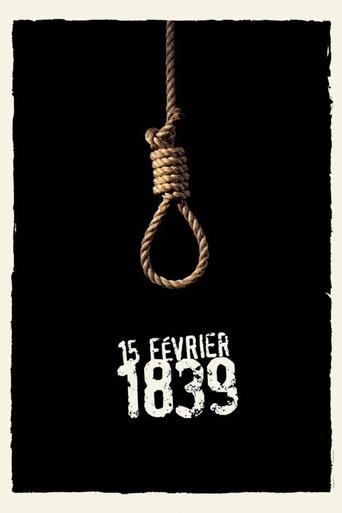
In 1839, months after the British army has repressed the insurrection of the Patriots, hundreds of rebels are still in prison. The morning of February 14, Marie-Thomas Chevalier De Lorimier and Charles Hindelang learn that they will be hung in 24 hours, with three others. While they await their death the condemned spend time and consult with companions and loved ones as well as entrust to those their last wills. At dawn, the five Patriots will walk to the scaffold, knowing will they die.
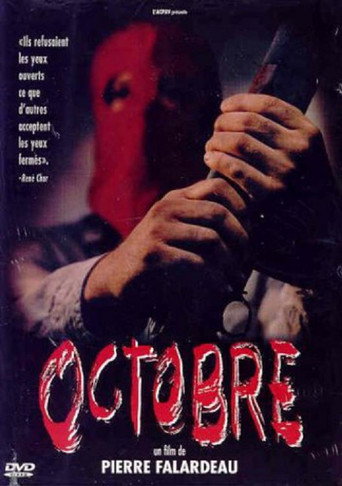
A dramatization of the abduction and murder of a Quebec government minister by a cell of The Quebec Liberation Front. In October 1970, one group from the same organization kidnapped James Cross, the British Trade Commissioner in Montreal. A few days later, a second group kidnapped Pierre Laporte, a minister of the Liberal government. The film tells the story of this last terrorist cell which ended in the cold blooded murder of Laporte.
Images and sounds are spliced together in this journey to the heart of the political, economic and cultural oppression of the Quebec people. A reflection on neo-colonial exploitation and the cancer of alienation. To the very Canadian multiculturalism of Trudeau and the métissage of the multinationals, celebrated by the high priests of the dominant ideology, is contrasted the idea of acculturation, even deculturation. A way of resisting as good as any other.