Pierre Chenal Movies, TV Shows, and Filmography
Pierre Chenal
Directing
Biography
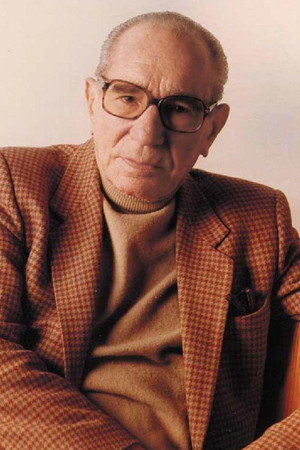
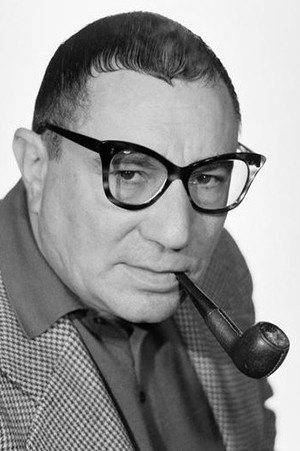
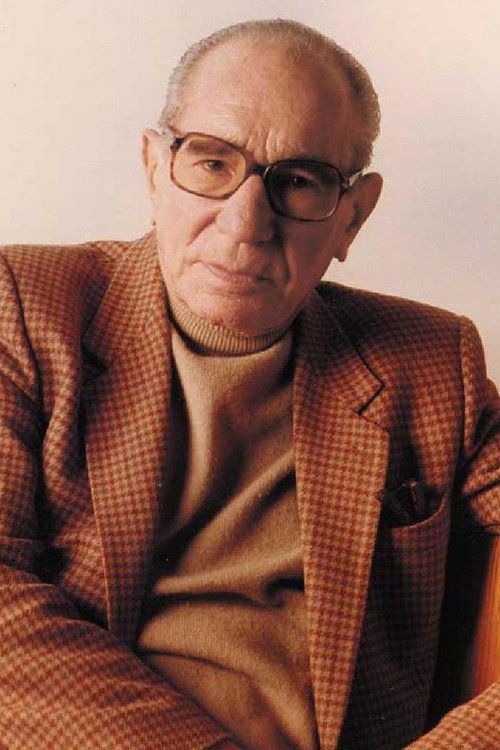
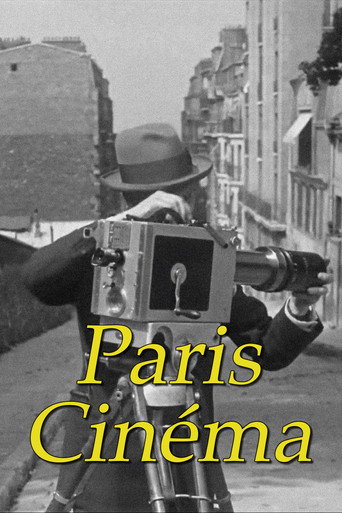
Philippe Cohen, known as Pierre Chenal, is a French director, born December 5, 1904 in Brussels and died December 23, 1990 in La Garenne-Colombes. Chenal occupies an uncomfortable place in the history of French cinema: relatively unknown, he is cataloged as a filmmaker who left only a light body of work. His detailed filmography, however, tends to show the opposite. Made in the 1930s, his first short films were documentaries where the filmmaker used social realism. The Little Trades of Paris (1932) or A French City of Cinema had a didactic ambition which ranked him among the innovators at the time. Throughout his work, Pierre Chenal will maintain this taste for atmospheres tinged with truth where the social is shown. Hence his very marked penchant for adaptations of literary works by his contemporaries: he borrowed from Marcel Aymé the title of one of his first feature films, La rue sans nom (1933); summons Pirandello and The Man from Nowhere (1937); depicts The Mutineers of Elsinore by Jack London; and transforms James Cain's novel The Postman Always Rings Twice to give The Last Turn. Pierre Chenal loves actors and casts the biggest ones. Louis Jouvet, Robert Le Vigan, Michel Simon, Pierre Blanchar, Viviane Romance and Albert Préjean praise his talent. In 1940, the filmmaker's career took a new turn when he retreated, during the war, to Argentina and Chile. He made a few minor films there, then returned to France with comic intentions expressed in Clochemerle (1947). In 1948, Chenal returned to Argentina and adapted Sangre Negra by the American noir novelist Richard Wright. Then, he developed a passion for thrillers and experimented with the genre on several occasions. But Raid on the City (1958), The Beast on the Prowl (1959) and The Assassin Knows the Music (1963) are not considered to be his best films.
Filmography Movies
Production
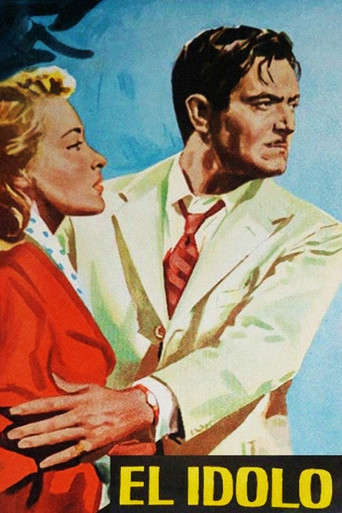
The Idol
An actor argues with his wife and she decides to leave. The day after learning of the mysterious death of his wife in Viña del Mar, he hires a detective to find the murderer.
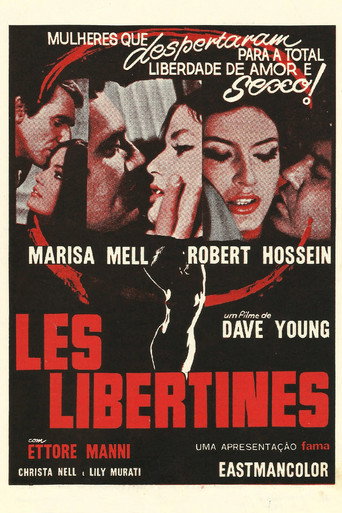
Versatile Lovers
Isabell runs a nursing home for wealthy women who are trying to detox from their various obsessions. Her lover, Serge Belaiev, a petty gangster, has pulled off a big hit but his partners have denounced him to the police in order to appropriate his share of the loot. Isabelle takes him in and hides him in an attic of this strange house. In love with Isabelle, Philippe Lansac, the owner of the place, decides to close the castle...
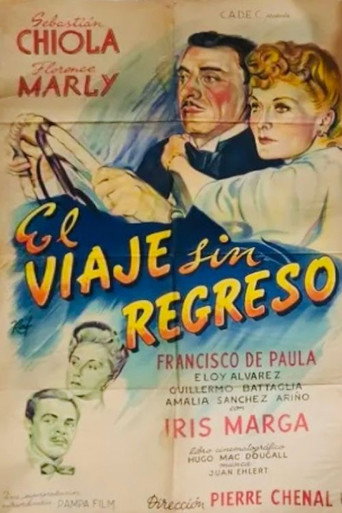
El viaje sin regreso
At the core of this enormously bleak melodrama, there is a beautiful, passionate woman (Florence Marly, Chenal's wife) who capriciously oscillates between two men (Chiola, De Paula), even though she knows her fate is fatally linked to one of them.
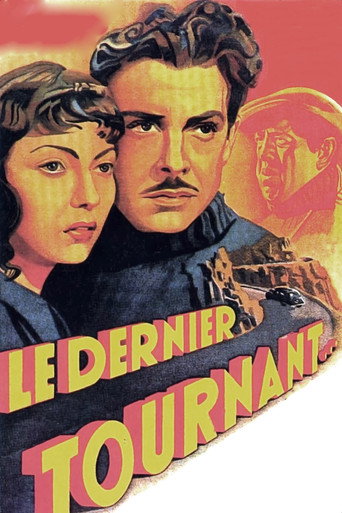
The Last Turning
Frank, a hobo, ends up in a garage-truck stop in the middle of nowhere. Nick Marino, its older, kind and naive owner, is married to Cora, a sexy and mercenary woman half his age. Frank, although not a fan of hard work, accepts Nick's offer to work for him. Of course, it is not for Nick's sake that the young man becomes his attendant, but for the love of Cora under whose spell he has fallen at once. It does not take long before Cora, who despises her husband, asks her lover to help her get rid of him. Frank is reluctant at first but ...
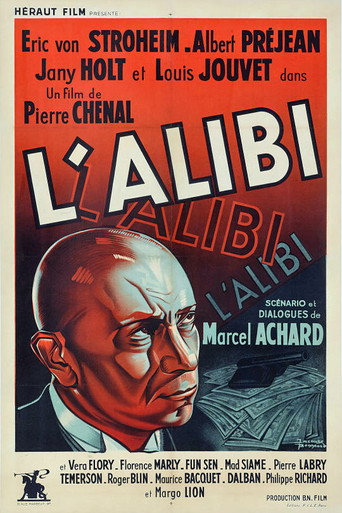
Alibi
Paris, 1937. Winckler kills his enemy Gordon, a Chicago mobster, from the stage of a Parisian music hall, where he performs telepathy. He pays another artist, Helene, so that she tells the police they've spent the night together, which doesn't fool Callas, the police officer who investigates the murder. He hires one of his fellow officers in order to seduce Helene.
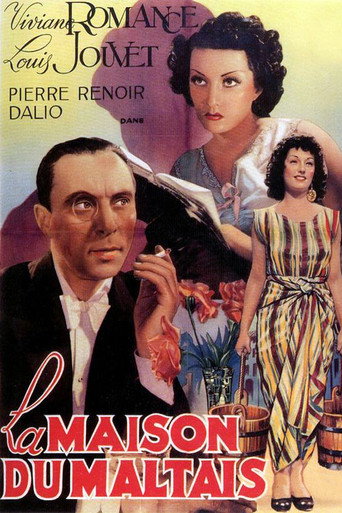
Sirocco
Town trollop Safia, much against her better judgment, falls in love with Matteo, a beggar and mystic in the native quarter of Sirocco. She flees to France, first as the mistress and then wife of a wealthy archaeologist, and bears him Matteo's child, whom he believes to be his own. Complications arise years later when Matteo finds Safia, and a ring of blackmailers uncover her past and exposes her to her husband.
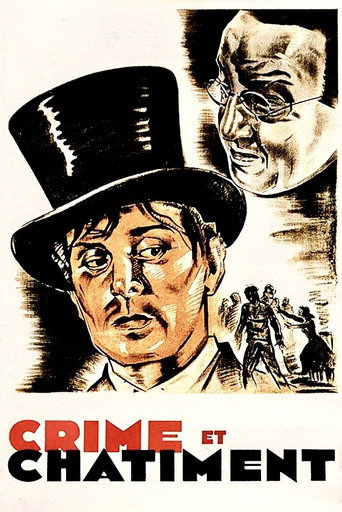
Crime and Punishment
Former student Raskolnikov is pushed to murder when struggling to pay the rent on his apartment. When the murder is being investigated by the police, Raskolnikov struggles between trying to hide his guilt and the pressure to confess.
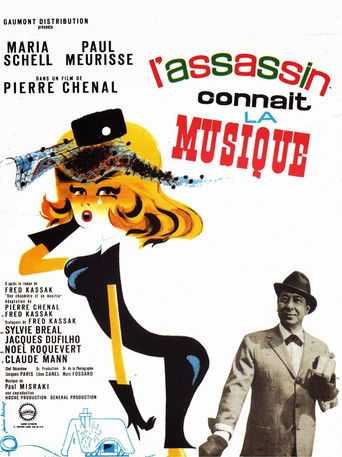
L'assassin connaît la musique
Lionel Fribourg, a great composer (at least that's what he thinks) has a problem with his noisy environment: he can't complete his unfinished symphony. Of course there is a market for unfinished symphonies but, for all he knows, only one became famous. So he had better find a way to finish it. At long last, he comes across Agnès, a divorced woman who agrees to let him her quiet home. Lionel, full of hope, resumes work...
L'assassin connaît la musique
Lionel Fribourg, a great composer (at least that's what he thinks) has a problem with his noisy environment: he can't complete his unfinished symphony. Of course there is a market for unfinished symphonies but, for all he knows, only one became famous. So he had better find a way to finish it. At long last, he comes across Agnès, a divorced woman who agrees to let him her quiet home. Lionel, full of hope, resumes work...

L'Architecture d'Aujourd'hui
Regarding Le Corbusier: the man and his architecture
Gallery