Pierre Barouh Movies, TV Shows, and Filmography
Pierre Barouh
Acting
Biography
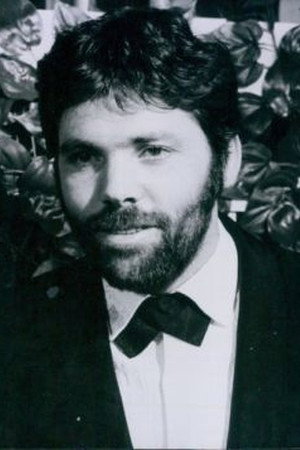
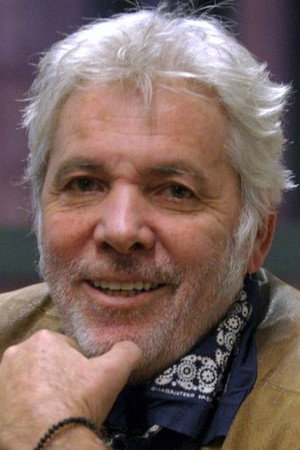
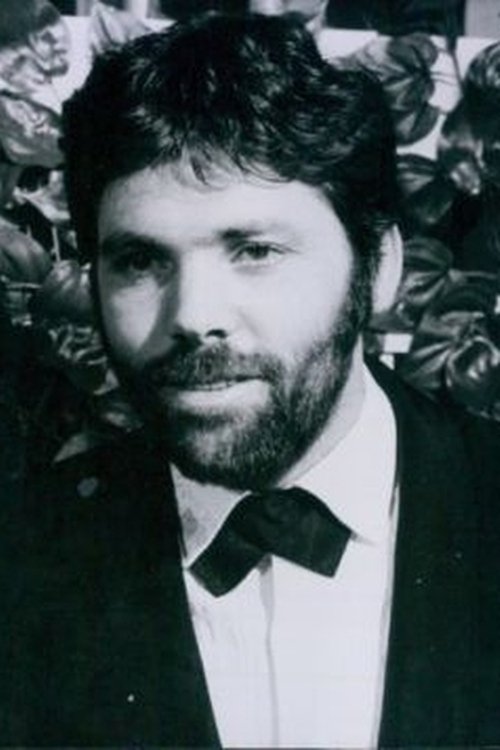
Pierre Barouh (born Élie Pierre Barouh; 19 February 1934 – 28 December 2016) was a French writer-composer-singer best known for his work on Claude Lelouch's film A Man and a Woman as an actor and the lyricist/singer for Francis Lai's music score. Barouh was born in Paris and along with his brother, Albert, and sister, was raised in Levallois-Perret. Their parents were Turkish-Jewish stallholders selling fabrics. During the Second World War, their parents hid them from the Nazis; Pierre and his sister in Montournais and Albert in la Limouzinière. During these years Élie, baptised Pierre, lived at La Grèlerie, the home of Hilaire and Marie Rocher, who had two sons. From this time, he drew inspiration for songs like "À bicyclette", "Des ronds dans l'eau" and "Les Filles du dimanche". After the war, he was briefly a sports journalist for Paris-Presse-Intransigeant and also played for the national volleyball B team in the 1950s. He spent some months in Portugal and discovered Brazilian music. He visited Brazil in 1959 and on his return to Paris got to know the principal Brazilian writers and composers of bossa nova. With his first earnings he bought the mill, la Morvient, by the river in Le Boupère in the Vendée where he had spent part of his childhood. There he established a recording studio and welcomed other artists, using it to advance the talent of others and creating his own label Saravah in 1965. With the label he wished to mix musicians and styles, to multiply musical encounters. He worked, notably, with Pierre Akendengué, Areski Belkacem, Brigitte Fontaine, Nana Vasconcelos, Gérard Ansaloni, Jacques Higelin, Alfred Panou, Maurane, David McNeil, Elis Regina. Soon after the label's creation, Barouh realised that he was not a manager and so entrusted management to a teenage friend he had known when he was 15 playing volleyball. However, in 1972, he discovered that this friend had stolen 1,500,000 francs by means which prevented Barouh from being able to get any of it back, as he "had given him everything: signatures, etc". As an actor, he played the role of the gypsy leader in the film D'ou viens-tu Johnny? and appeared in Lelouch's Une fille et des fusils. As writer/performer he had success with La Plage – immortalised by Marie Laforêt and the guitarist Claude Ciari -, Tes dix-huit ans and Monsieur de Furstenberg. He shot a documentary on the beginnings of bossa nova with his longtime friend Baden Powell de Aquino. In 1966 he participated in the enormous success of the film A Man and a Woman which won the Palme d'Or at the 1966 Festival de Cannes. He married the actress Anouk Aimée the same year; they divorced three years later. Barouh died in the Hôpital Cochin in Paris from an infarction on 28 December 2016, at the age of 82. He was buried a week later at Montmartre Cemetery. Source: Article "Pierre Barouh" from Wikipedia in English, licensed under CC-BY-SA 3.0.
Filmography Movies
Acting
Viva Volta
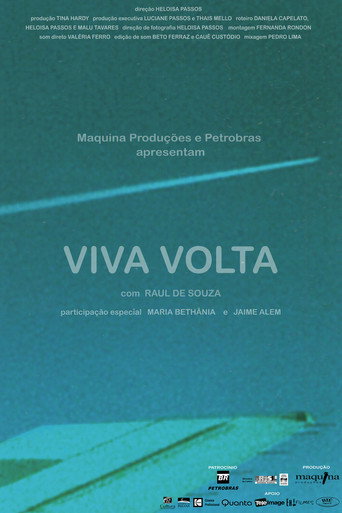
A documentary on Brazilian trombone player Raul de Souza who, since 1996, has lived in Paris and suffers because he goes unnoticed, unrewarded in his native land. With the sound of his trombone for a background, the film takes him back to Bangu, in Rio de Janeiro, and retraces his trajectory.
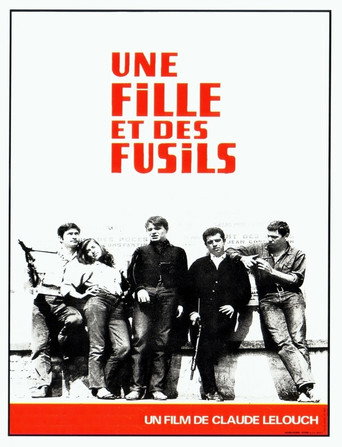
To Be a Crook
Four young people, tired of working life, decide that they can earn money from crime than they can from work. The film follows their training at the first "crime school", as well as their work.
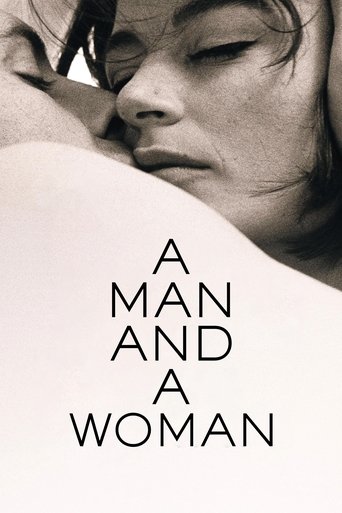
A Man and a Woman
A man and a woman meet by accident on a Sunday evening at their childrens' boarding school. Slowly, they reveal themselves to each other, finding that they have something deeply in common.
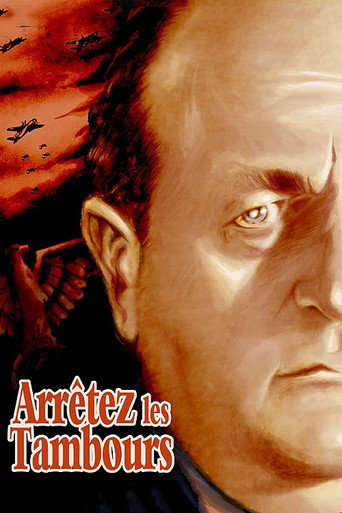
Women and War
In 1944, in a small village in Calvados, just as the Allies landed, a British plane was shot down. The wounded pilot seeks help. All the villagers, who speak only of resistance, refuse to help, for fear of reprisals. Only the mayor, Dr. Leproux, takes him in and nurses him back to health, then entrusts him to the Resistance. But the Germans get wind of the story and arrest Leproux. He is saved by Major Frantz. But the budding friendship between these two men "doesn't stop the drums", and the war is on.
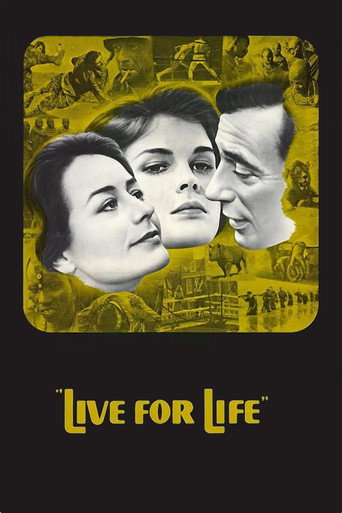
Live for Life
Famous TV newscaster Robert Colomb is married to Catherine, but is continually unfaithful to her. Then he meets, and becomes fascinated with Candice.
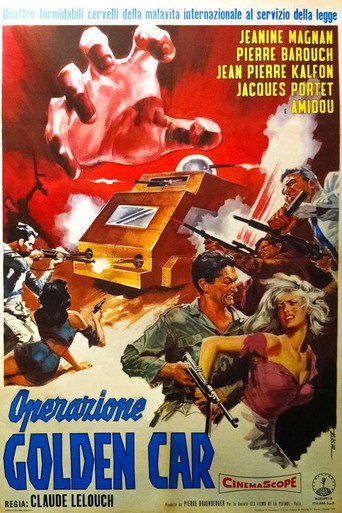
Les grands moments
Four prisoners are gathered in the same cell. Each tells the others how he got there.
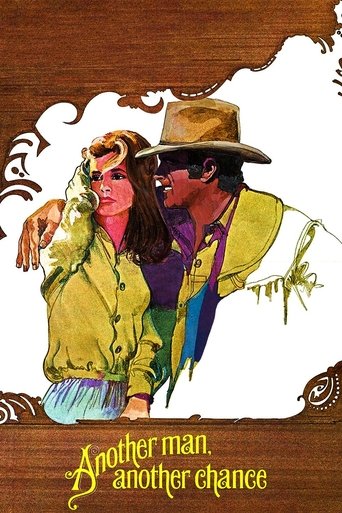
Another Man, Another Chance
Young Jeanne falls in love with photographer Francis, who soon takes her with him when he emigrates to America. In a small town in the still wild west, they build up a small photo shop. Meanwhile, animal doctor David lives on his lonesome farm together with his unlucky wife. It takes years and two tragic accidents until Jeanne and David meet. She has already decided to return to France as soon as possible, but love, and fate, have other plans.
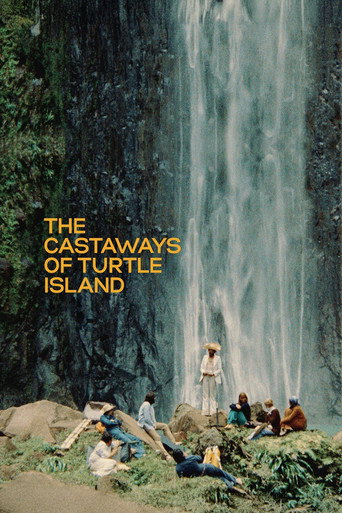
The Castaways of Turtle Island
Jean-Arthur has been working as a clerk in a travel agency. One day, he, along with his colleague comes to a brilliant idea: what if I offer tourists real extreme recreation? So the group of tourists land on a deserted island with no food, no shelter, nothing.
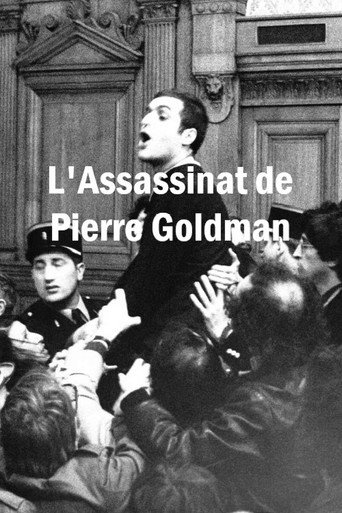
L'Assassinat de Pierre Goldman
This film attempts to reveal the reasons behind the death of Pierre Goldman and the identities of his murderers. Reviewing each of the unexplained elements surrounding the murder, the director questions friends and witnesses, travels to Venezuela, Guadeloupe, and Poland and uncovers certain rare archives. In so doing, he illuminates the many shadow zones of an unusual personality, symbol of a generation who thought to change to world. 30 years later, will this film disentangle the complex web of an unsolved mystery?
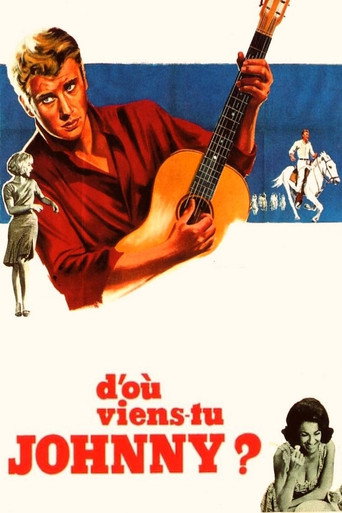
Where Are You From, Johnny?
Without knowing it, Johnny, a young rock musician, finds himself involved with a Parisian drug gang. Realising he is being set up, he throws the drugs into the Seine and takes refuge in the Camargue with his family and his fiancée, Gigi. Meanwhile, the dealers are hot on their heels.
Production
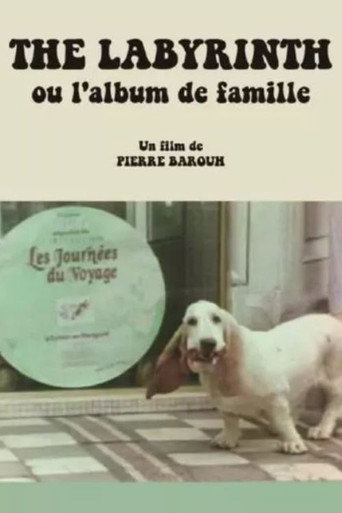
The Labyrinth ou L'album de famille
Feature film made in 8 days, the idea being to follow the winding path of the life of an artist-producer from Montmartre to La Rochelle, thinking through La Dordogne and La Vendée.By skilfully mixing the professional sphere and intimacy. By showing the present moment but also projecting into fiction.
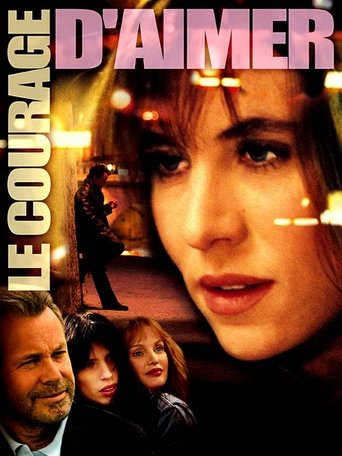
The Courage to Love
A picture of humankind in Paris: singers, shows, social gatherings, businessmen, nightclub barmen, bums, shoppers.
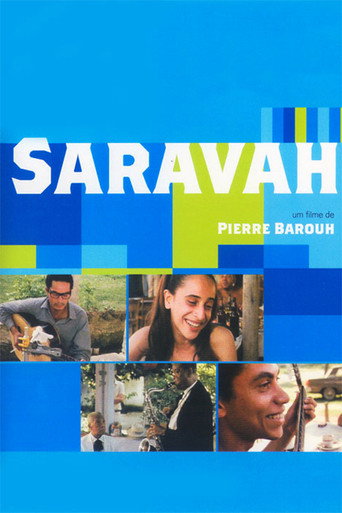
Saravah
Documentary about Brazilian music circa 1969, with extremely rare scenes, such as the only color footage of Pixinguinha, images of João da Baiana, one of the fathers of Samba, Maria Bethânia rehearsing at Barroco nightclub, Baden Powell playing his acoustic guitar, Paulinho da Viola showing his masterpiece "Coisas do Mundo, Minha Nega", that he had just finished, and Márcia, a singer from São Paulo.
A Man and a Woman
A man and a woman meet by accident on a Sunday evening at their childrens' boarding school. Slowly, they reveal themselves to each other, finding that they have something deeply in common.
A Man and a Woman
A man and a woman meet by accident on a Sunday evening at their childrens' boarding school. Slowly, they reveal themselves to each other, finding that they have something deeply in common.
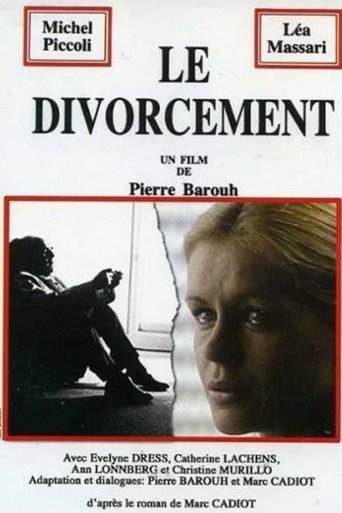
Le Divorcement
In this rambling comic tale about a man and a wife, with four children, who calmly announce to the children that they want to divorce one another, it is impossible to tell who is dissatisfied with whom about what. They had seemed to be a perfect couple. Their flabbergasted children have mixed feelings, and the most difficult thing about the divorce, besides understanding why it is taking place at all, is deciding what will happen with the couple's numerous pets.
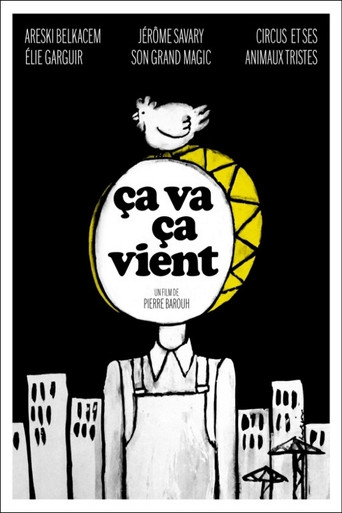
It Comes, It Goes
Areski and Elijah, two childhood friends (an Arab and a Jew) suburban neighbors working on a construction site of Place des festivals (Belleville) and thus participating in what has driven the city face a wildcat strike providing transportation to one of them "under the imponderable."
It Comes, It Goes
Areski and Elijah, two childhood friends (an Arab and a Jew) suburban neighbors working on a construction site of Place des festivals (Belleville) and thus participating in what has driven the city face a wildcat strike providing transportation to one of them "under the imponderable."
Calligraffiti
Short animation directed by an illustrator and picture book writer Furukawa Taku.
Gallery