Acting
No biography available.
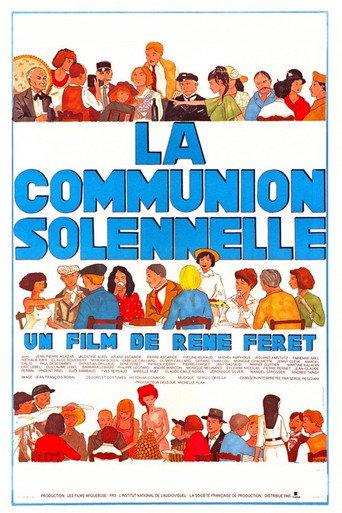
In this complex chronicle of the evolution of a provincial family's life, the story follows three generations of at least two neighboring families from the 1890s to the 1970s. In one of many related tales, a man who was engaged to the older daughter of a farmer elopes with the younger one. After many years and the birth of five children, the man leaves his wife and family for the bright lights of the city but continues turning up from time to time, until he is finally taken into the home of one of his sons when he is a quite old man. The complex interactions of the legitimate and illegitimate children of a womanizing miner give rise to yet another set of related stories.
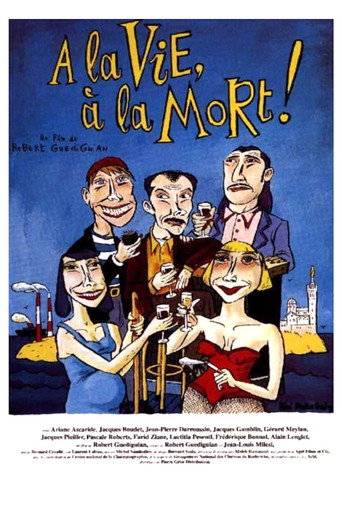
In Estaque, a northern suburb of Marseilles, stuck between oil refinery smokestacks and the Mediterranean sea, a handful of die-hards has taken refuge in a cabaret. There is José, the owner, a big-hearted gypsy who loves cars and women's bodies; Joséfa, his wife, the establishment's stripper despite her advanced years and Marie-Sol who climbs the hill every day to visit Notre-Dame de la Garde and beseech Virgin Mary to give her a child. There is Patrick, her husband who has been unemployed for ages but who is kind despite appearances and their friend Jaco who is having a hard time. His wife and daughters hate him for not keeping up on the mortgage repayments. Last but not least is Papa Carlossa who believes that Franco still rules Spain and fantasizes about bumping him off.
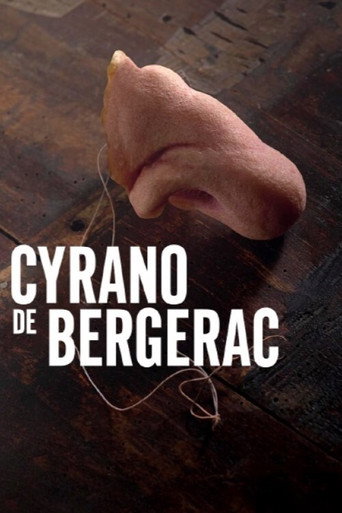
A regular performer of the great works of the French repertoire, Jean Liermier takes pride of place in the most popular of them. With the help of the great Gilles Privat—who embodies a Cyrano who is as effervescent as he is melancholic—the director creates a very personal version of this romantic tragicomedy. A sensitive version that stays true to the poet Rostand, telling the story of a storyteller. Cyrano takes us on the adventures of his life. As if he wanted to shout: "Theater is dead: long live theater!"
How the mothers of a deprived suburb of Marseille will create a solidarity committee under the aegis of the parish priest. Gathered in assembly, they will invent a solution to the endemic misery of their city.
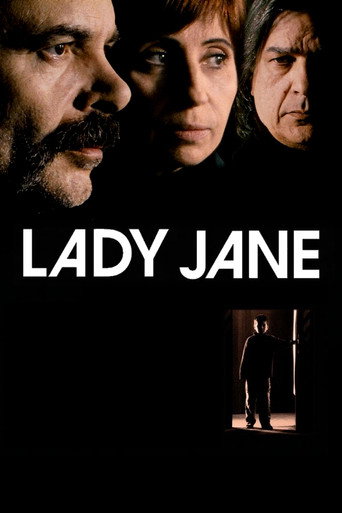
Her parents and a former lover try to help a woman out of an apparently unjustified catatonic condition.
After having perpetrated a serious crime, Muriel, François and René, childhood friends born in the working-class streets of Marseille, go their separate ways, until, 15 years later, they meet again when another crime is committed.
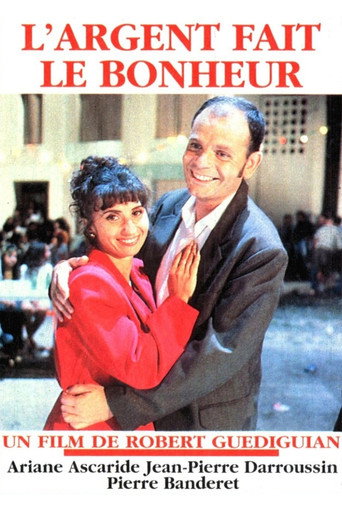
Three men and a woman from a city in the south of France made a pact as teenagers to never forget that they were children of the poor.
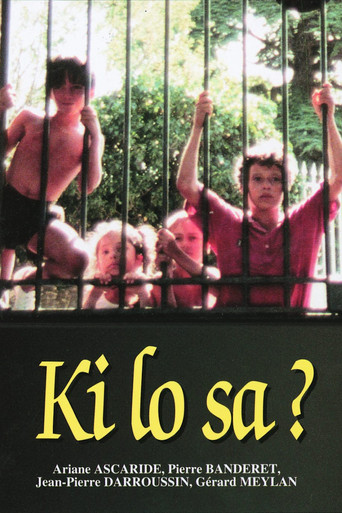
A group of children from the same neighborhood meet a few years later. When the day comes, they meet again and take stock of their lives.
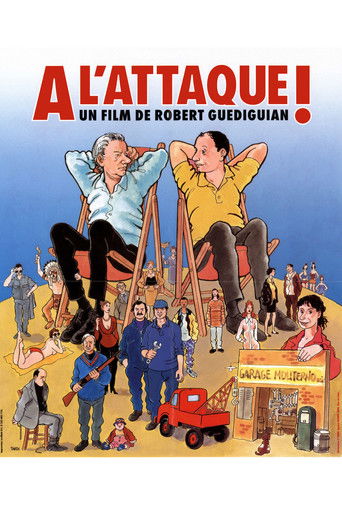
Two scriptwriter friends with opposing personalities fuss and fight as they cobble together a script for a modern political film. Their arguments seem endless, they constantly stray from the plot, but the story slowly takes shape around garage mechanics at Moliterno & co. who fight a multinational in order to save their business.
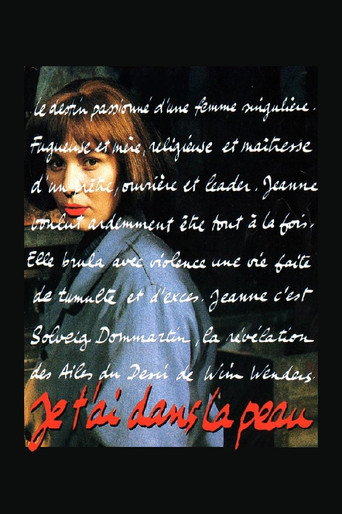
Jeanne is a woman who is driven by her very active conscience. She attempts to assuage her idealistic bent by trying out life as a nun, but this doesn't work out. After she leaves the convent, she takes a job at a factory, where the callousness of management spurs her to become a labor activist. Her efforts are marked by great persistence and fervor, but she lacks any kind of diplomacy or persuasiveness, and as the years progress, she manages to alienate everyone in her life. By the end of the film, there is only one way that she can see to resolve the horrible situation she finds herself in.