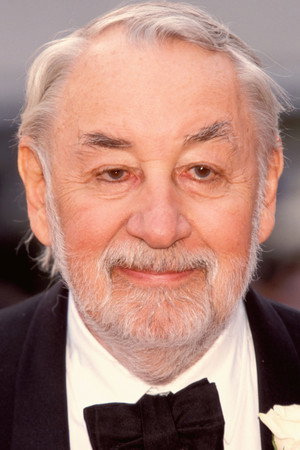
Philippe Noiret Movies, TV Shows, and Filmography
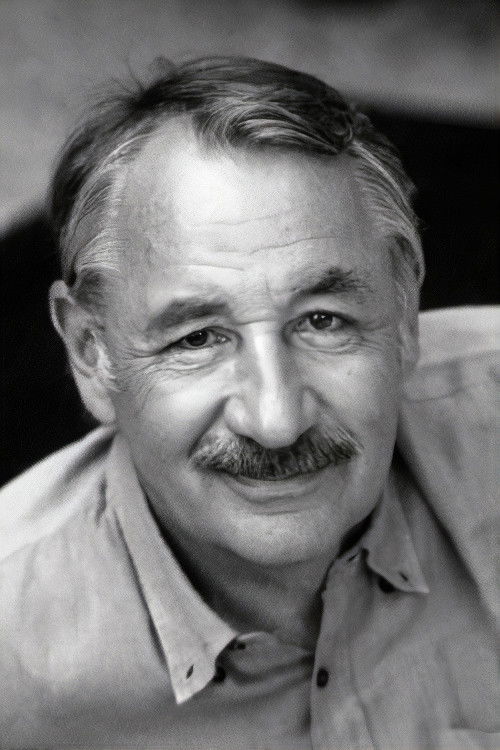
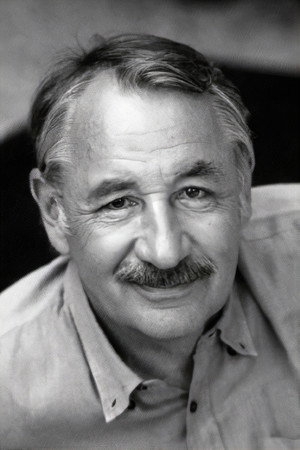
Philippe Noiret
Acting
Biography
Philippe Noiret (1 October 1930 – 23 November 2006) was a French film actor. Noiret was born in Lille, France, the son of Lucy (Heirman) and Pierre Noiret, a clothing company representative. He was an indifferent student and attended several prestigious Paris schools, including the Lycée Janson de Sailly. He failed several times to pass his baccalauréat exams, so he decided to study theater. He trained at the Centre Dramatique de l'Ouest and toured with the Théâtre National Populaire for seven years, where he met Monique Chaumette, whom he married in 1962. During that time he developed a career as a nightclub comedian in a duo act with Jean-Pierre Darras, in which he played Louis XIV in an extravagant wig opposite Darras as the dramatist Jean Racine. In these roles they satirized the politics of Charles de Gaulle, Michel Debré and André Malraux. Noiret's screen debut (1949) was an uncredited role in Gigi. In 1955 he appeared in La Pointe Courte directed by Agnès Varda. She said later, "I discovered in him a breadth of talent rare in a young actor." Sporting a pudding-basin haircut, Noiret played a lovelorn youth in the southern fishing port of Sète. He later admitted: "I was scared stiff, and fumbled my way through the part—I am totally absent in the film." He was not cast again until 1960 in Zazie dans le Métro. After playing second leads in Georges Franju's Thérèse Desqueyroux in 1962, and in Le Capitaine Fracasse, from Théophile Gautier's romantic adventure, he became a regular on the French screen, without being cast in major roles until A Matter of Resistance directed by Jean-Paul Rappeneau in 1966. He became a star in France with Yves Robert's Alexandre le Bienheureux. "When I began to have success in the movies," Noiret told film critic Joe Leydon at the Cannes Film Festival in 1989, "it was a big surprise for me. For actors of my generation—all the men of 50 or 60 now in French movies—all of us were thinking of being stage actors. Even people like Jean-Paul Belmondo, all of us, we never thought we'd become movie stars. So, at the beginning, I was just doing it for the money, and because they asked me to do it. But after two or three years of working on movies, I started to enjoy it, and to be very interested in it. And I'm still very interested in it, because I've never really understood how it works. I mean, what is acting for the movies? I've never really understood." Noiret was cast primarily as the Everyman character, although he did not hesitate to accept controversial roles, such as in La Grande Bouffe, a film about suicide by overeating, which caused a scandal at Cannes in 1973, and in 1991 André Téchiné cast Noiret in J'embrasse pas (I Don't Kiss), as a melancholy old homosexual obsessed with young male flesh. And in 1987, in The Gold Rimmed Glasses based on Giorgio Bassani's novel about the cramped social life of post-war Ferrara in Italy, he played an elderly and respectable doctor who is gradually suspected of being a covert homosexual with a passion for a beautiful young man (Rupert Everett). Noiret won his first César Award for his role in Vieux Fusil in 1976. His second César came in 1990 for his role in Life and Nothing But. ... Source: Article "Philippe Noiret" from Wikipedia in English, licensed under CC-BY-SA.
Filmography Movies
Acting
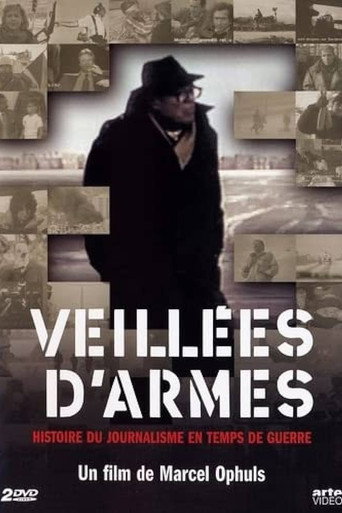
The Troubles We've Seen
We follow Marcel Ophuls' two journeys to Sarajevo in 1993. He is starting a documentary about war correspondants. But this also becomes a reflexion about truth and life. The form consists in many interviews of mostly French and American journalists and reporters of television or newspapers.
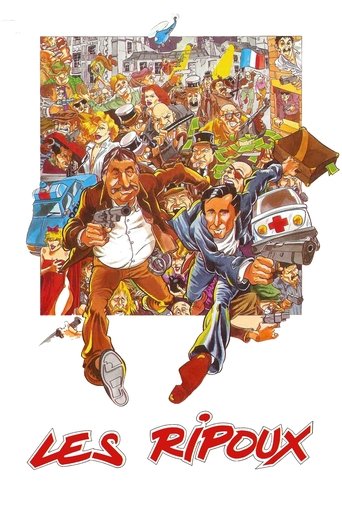
My New Partner
A streetwise Paris policeman who takes kickbacks from the minor criminals on his beat to allow them to continue is assigned an idealistic new partner fresh from police academy. He sets out to corrupt him...
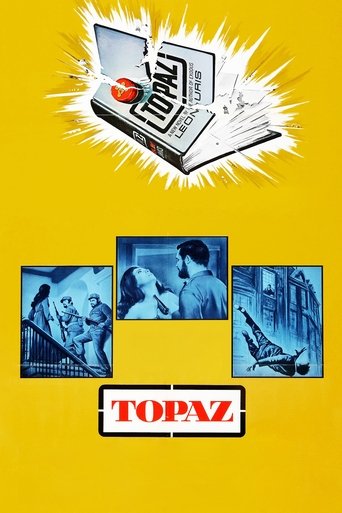
Topaz
Copenhagen, Denmark, 1962. When a high-ranking Soviet official decides to change sides, a French intelligence agent is caught up in a cold, silent and bloody spy war in which his own family will play a decisive role.
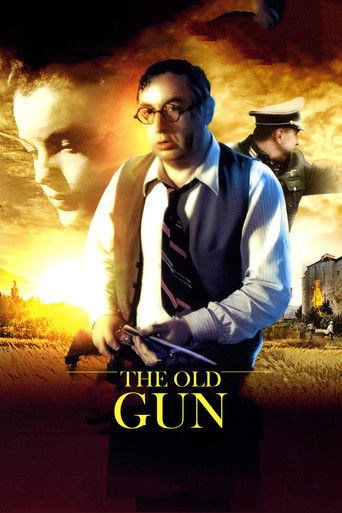
The Old Gun
In Montauban in 1944, Julien Dandieu is a surgeon in the local hospital. Frightened by the German army entering Montauban, he asks his friend Francois to drive his wife and his daughter in the back country village where Julien has an old castle. One week later, Julien decides to meet them for the week end, but the Germans are already occupying the village.
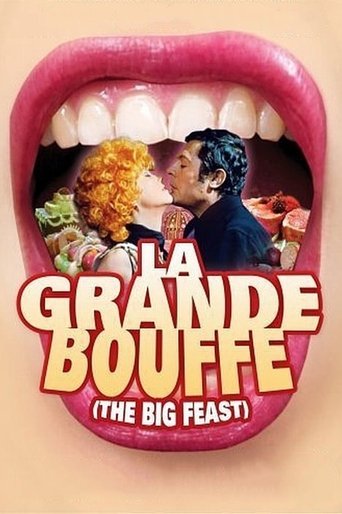
La Grande Bouffe
Four friends gather at a villa with the intention of eating themselves to death.
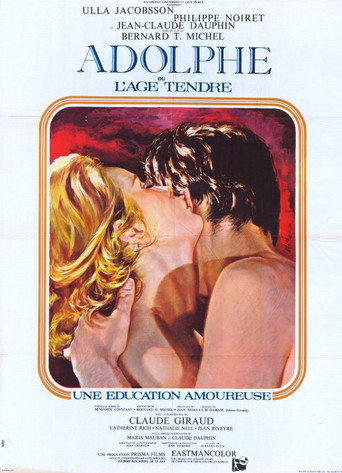
The Tender Age
Twenty-year-old Henri Rebecque wants to make his dream come true: to bring Benjamin Constant's Adolphe to the screen in amateur format. Armed with a sixteen-millimeter camera and a team of friends, Henri embarks on this adventure, playing the role of Adolphe himself. Despite all the warnings, he lived through the passion and ordeal of the novel's hero, right to the end. Different times and circumstances will not change this.
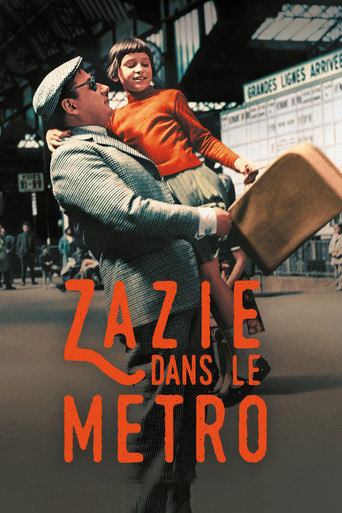
Zazie dans le Métro
A brash and precocious ten-year-old comes to Paris for a whirlwind weekend with her rakish uncle.
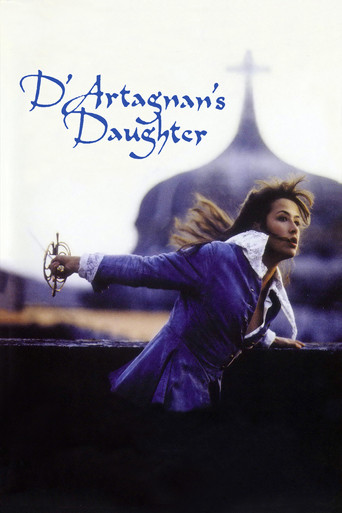
D'Artagnan's Daughter
It is 1654, in the South of France. When horsemen follow a runaway slave into the convent where he's taken sanctuary and kill both the fugitive and the Mother Superior, they little realise that one of the novices is the spirited daughter of retired musketeer D'Artagnan.
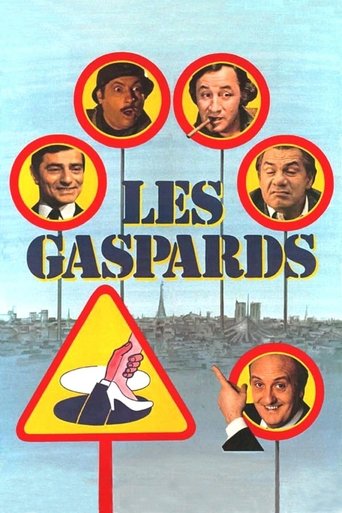
The Down-in-the-Hole Gang
Here we find a group of misfits who've given up on humanity and have decided to dwell below the pavement. The group has its own hierarchy, of course, and soon the conditions that drove them underground begin to manifest themselves without the influences of the Outside World.
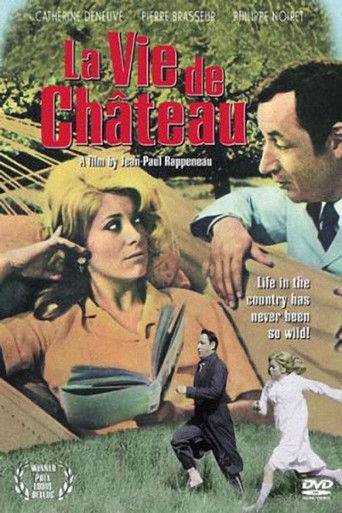
A Matter of Resistance
In the countryside near Normandy's beaches lives Marie, unhappy. It's 1945, she's married to Jérôme, a somewhat fussy milquetoast, diffident to the war around him and unwilling to move his wife to Paris, where she longs to live, shop, and party. A German outfit is bivouacked at Jérôme and Marie's crumbling château because its commanding officer is pursuing Marie. She's also eyed by a French spy working with the Allies as they plan D-Day. He woos her (posing to the Germans as her brother) and, in his passion, forgets his mission. Heroics come from an unexpected direction, and Marie makes her choice.
Gallery