Philippe de Broca Movies, TV Shows, and Filmography

Philippe de Broca
Directing
Biography
Philippe Claude Alex de Broca de Ferrussac (15 March 1933 – 26 November 2004) was a French film director. He directed 30 full-length feature films, including the highly successful That Man from Rio (L'Homme de Rio), The Man from Acapulco (Le Magnifique) and On Guard (Le Bossu). His works include historical, romantic epics such as Chouans! and King of Hearts (Le Roi de cœur), as well as comedies with a charismatic, breezy hero ready to embark upon any adventure which comes his way, so long as it means escaping everyday modern life: Practice Makes Perfect (Le Cavaleur), The Devil by the Tail (Le Diable par la queue), The African (L'Africain). He had links with the actor Jean-Paul Belmondo, with whom he made six films, as well as with Jean-Pierre Cassel, Philippe Noiret and Jean Rochefort. Philippe de Broca was born on 15 March 1933 in Paris. He was the son of a cinema set designer and the grandson of a well-known painter, Alexis de Broca. He studied at the Paris Photography and Cinematography School (école Vaugirard), graduating in 1953. He carried out his military service with the French Army's service cinématographique des armées (army film service) in Germany and then in Algeria, directing or acting as head cameraman on short films. Greatly affected by the war he witnessed in Algeria, he vowed to show life in its best light in his future films "because laughter is the best defence against upsets in life". After his discharge from the military, he set off on a journey taking in the length of Africa in Berliet trucks before returning to Paris. He began working as an intern with Henri Decoin, before finding assistant positions with Claude Chabrol: Bitter Reunion (Le Beau Serge), The Cousins (Les Cousins), Web of Passion (À Double Tour), François Truffaut: The 400 Blows (Les 400 Coups) and Pierre Schoendoerffer: Ramuntcho. In 1959, Claude Chabrol produced de Broca's first film for him, The Love Game (Les jeux de l'amour) with Jean-Pierre Cassel. De Broca went on to work with Cassel again in The Joker (Le Farceur, 1960), Five Day Lover (L'Amant de cinq jours, 1961), and Male Companion (Un Monsieur de Compagnie, 1964). De Broca's first commercial success came with Swords of Blood (Cartouche), filmed in 1962. This film also saw two more names become associated with de Broca: the actor Jean-Paul Belmondo and the producer Alexandre Mnouchkine. International acclaim came with That Man from Rio (L'Homme de Rio) in 1964, Up to His Ears (Les tribulations d'un Chinois en Chine) in 1965, The Man from Acapulco (Le Magnifique) in 1973 and Incorrigible (L'Incorrigible) in 1975. In 1966, he co-wrote, directed and produced King of Hearts (Le Roi de Cœur). This parody of the Great War, which some cinema-lovers consider his masterpiece, was a commercial and personal failure, to de Broca's dismay. Yet it eventually achieved genuine cult-film status during the mid 1970s when it was presented in repertory movie theaters as well as non-theatrical college and university film series across the United States, eventually running for five years at the now defunct film house, the Central Square Cinemas [2] in Cambridge, Massachusetts. ... Source: Article "Philippe de Broca" from Wikipedia in English, licensed under CC-BY-SA.
Filmography Movies
Acting
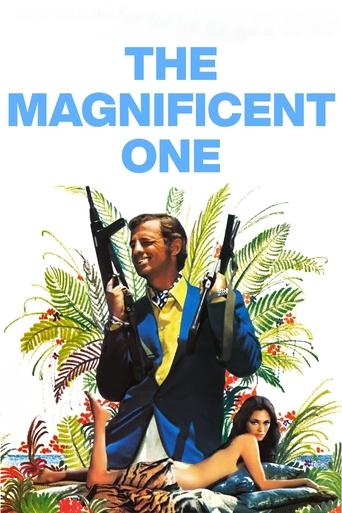
The Magnificent One
A writer of pulpy book series in which he's the hero and his beautiful English roommate is the love interest attempts to finish his new book in time at the publisher's demand.
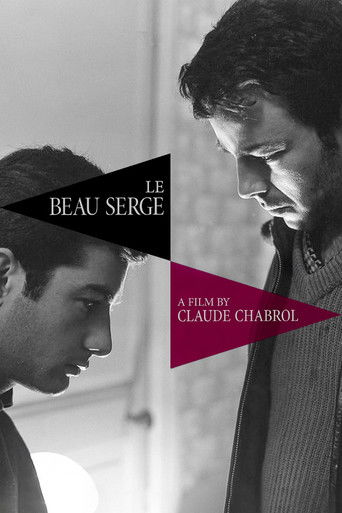
Le Beau Serge
After long absence, a man returns to his hometown only to find his best friend has become an alcoholic.
The Little Misses
Four young girls' love of boys put their newly opened all-services company in peril.
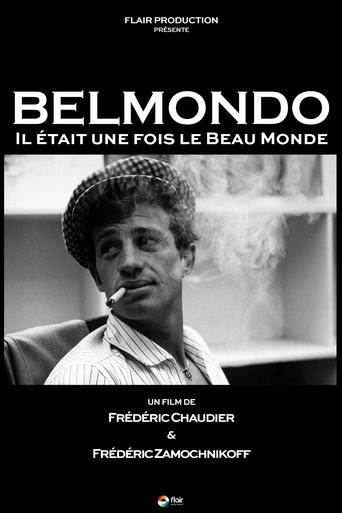
Belmondo, il était une fois le beau monde
A profile of Jean-Paul Belmondo by his peers. Besides appearing in over eighty films, the actor also delighted audiences with his dangerous stunts, his laughter, his jokes, and his refreshing ease and impertinence. Cultivating the art of the counterpunch, he spanned half a century of French cinema.
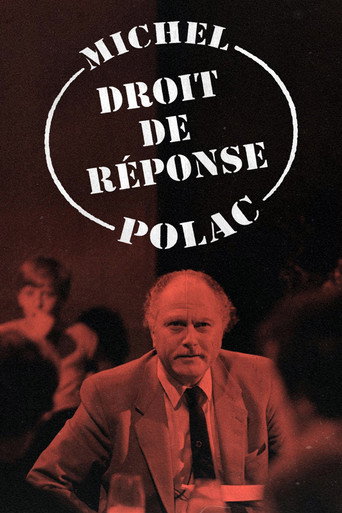
Droit de Réponse
"Droit de Réponse" (Right of Reply) is a French debate program broadcast between December 12, 1981 and September 19, 1987 on the TF1 channel, presented by Michel Polac and produced by Maurice Dugowson. Broadcast live on a weekly basis, on Saturdays from 8.30 p.m., the right of reply has been the source of many controversies, due to the various speakers who have come to present their point of view on the show (which leads to famous scandals , remained in the memory of viewers), but also for the variety and relevance of the topics covered, which ensured the success of the program on the air for several years. On French television, this program is considered by some observers as a “pioneer program in terms of controversy-show or clash, in modern language”.
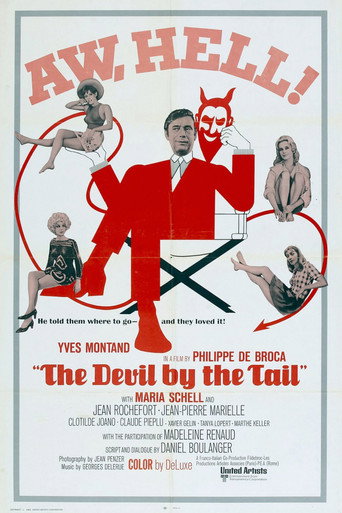
The Devil by the Tail
In this comedy, a run-down hotel drums up customers by sabotaging passing cars. The stuck motorists are then obliged to stay. Unfortunately, one of the sabotaged cars belongs to a bank robber. The hotel staff wants the robber out, but they also want to keep his ill-gotten money.

The Foreign Eye
Fantasies and clichés about Brazil and Brazilians as reinforced by international films, even those actually shot in Brazil. This documentary features interviews with non-Brazilian directors, writers and stars who have been involved in some of those films.
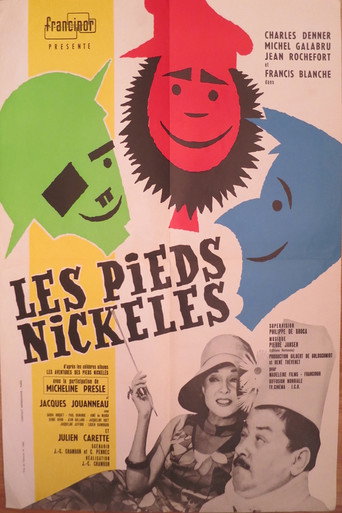
Les Pieds nickelés
Three tramps in search of adventure and fortune decide to try their luck at swindling. After an initial failure at shoplifting, they take over a bateau-mouche and exploit tourists in their own way.
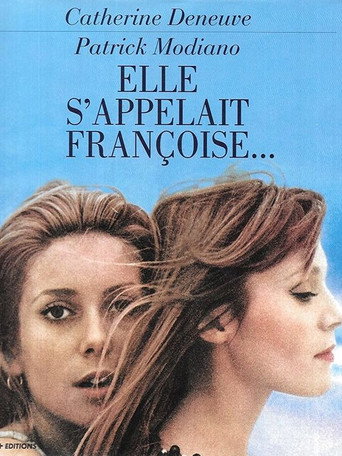
Elle s'appelait Françoise
Françoise Dorléac et Catherine Deneuve were nearly twins. Only 18 months separated these sisters who liked to say “Both of us could make the ideal woman”. Françoise Dorléac created her own style, unique even in France : a rare mix of elegance, humor, glamour. This is a touching portrait of an actress whose glory was cut short, seen through the eyes of her sister Catherine.
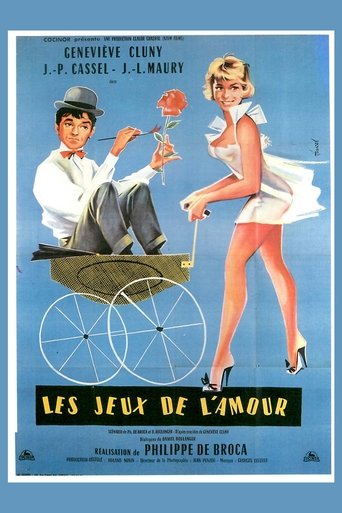
The Love Game
Victor and Suzanne are a couple at odds about commitment. Suzanne needs more reassurance from Victor about the future of their relationship. He is a painter with an inspired creative side who finds it difficult to understand Suzanne's point of view. They are happy together; what is the problem? So when a friend comes into the picture and proposes to Suzanne, Victor suddenly realizes that Suzanne was right. Without a formal commitment, the suddenly insecure man does not like the view from the opposite shore.
Production
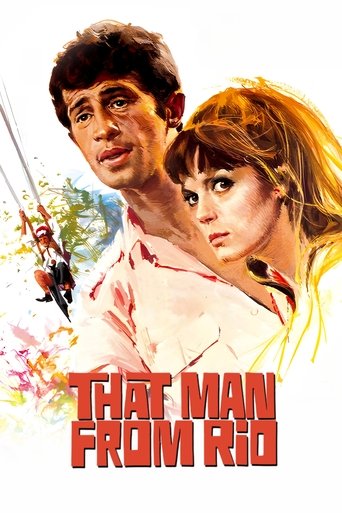
That Man from Rio
French military man Adrien Dufourquet gets an eight-day furlough to visit his fiancée, Agnès. But when he arrives in Paris, he learns that her late father's partner, museum curator Professor Catalan, has just been kidnapped by a group of Amazon tribesmen who have also stolen a priceless statue from the museum. Adrien and Agnès pursue the kidnappers to Brazil, where they learn that the statue is the key to a hidden Amazon treasure.
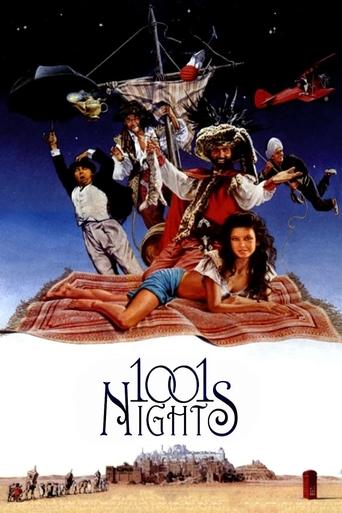
1001 Nights
Sheherazade has been married to a ruler who wants many wives, but only one at a time. Consequently, as soon as he has bedded them, he has them put to death. In most retellings, the girl staves off this unfortunate conclusion by putting off the connubial event for a thousand and one nights, telling irresistible stories instead. In this one, she gets hold of a magic lamp.
1001 Nights
Sheherazade has been married to a ruler who wants many wives, but only one at a time. Consequently, as soon as he has bedded them, he has them put to death. In most retellings, the girl staves off this unfortunate conclusion by putting off the connubial event for a thousand and one nights, telling irresistible stories instead. In this one, she gets hold of a magic lamp.
That Man from Rio
French military man Adrien Dufourquet gets an eight-day furlough to visit his fiancée, Agnès. But when he arrives in Paris, he learns that her late father's partner, museum curator Professor Catalan, has just been kidnapped by a group of Amazon tribesmen who have also stolen a priceless statue from the museum. Adrien and Agnès pursue the kidnappers to Brazil, where they learn that the statue is the key to a hidden Amazon treasure.
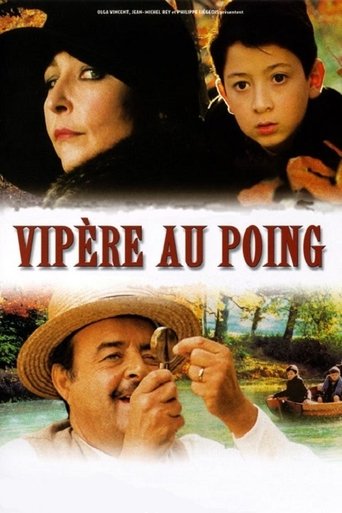
Viper in the Fist
1920. Jean Rezeau and his elder brother were living happily in their family estate in Brittany, until the death of their grandmother. The return of their mother, a worthy descendant of fairytales' witches, brings an all new atmosphere to their home.
Viper in the Fist
1920. Jean Rezeau and his elder brother were living happily in their family estate in Brittany, until the death of their grandmother. The return of their mother, a worthy descendant of fairytales' witches, brings an all new atmosphere to their home.
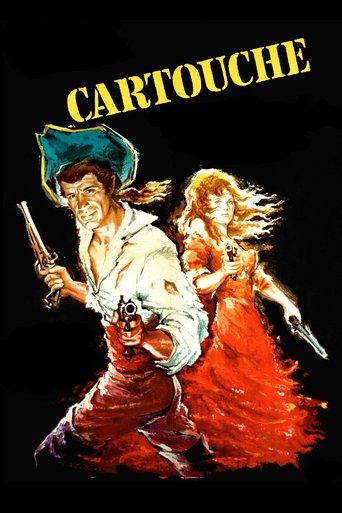
Cartouche
In the 18th century, Louis de Bourguignon is working with the Malichot's gang, but their ways are too 'unethical' for him. He creates his own band, acting under the name of Cartouche, making audacious robberies of the rich people, and even distributing the takings with the poor. Thus, cartouche attracts the people's sympathies, Venus's love, and hate from the Police and Malichot... Cartouche can escape all the traps they set at him - except the entrapments of love. Eventually, he will be saved by a woman, at her own cost.
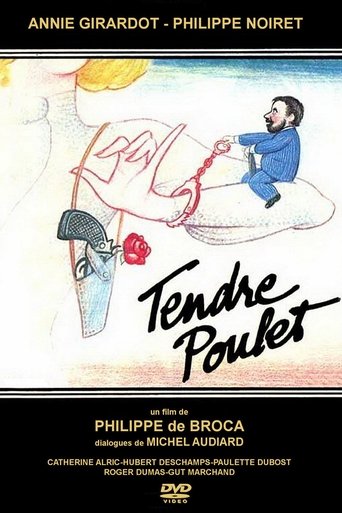
Dear Inspector
When Lise's car bumps Antoine's bike, they recognize each other from a brief fling 20 years before while at the Sorbonne. He's now a professor of Greek; she's loathe to tell him she's a police inspector. A call interrupts their first dinner date: a Deputy of the National Assembly has been murdered. She has a suspect, another Deputy, and must track him while deflecting Antoine's eye from her vocation. All roads in the inquiry lead to Christine Vallier, the dead Deputy's mistress, a beguiling 22-year-old whose mother ran the Assembly's snack bar. When more deputies die and Antoine learns Lise's identity, she must act quickly solve the crime and save her future.
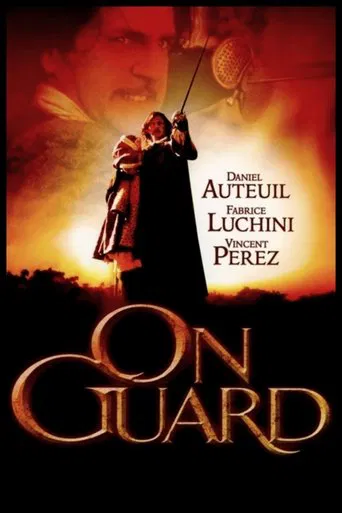
On Guard
France, 17th century, during the reign of Louis XIII. When a dear friend, the Duke of Nevers, is treacherously assassinated by a powerful relative, a skilled swordsman, the noble Henri de Lagardère, seeks his rightful vengeance as he tries to protect the innocent life of the duke's last heir.
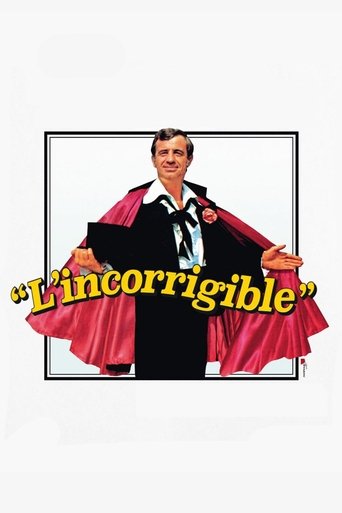
Incorrigible
Victor Vautier is incorrigible: he's in constant motion, working several cons at once, using different names and changing disguises. He's charming and outrageous, incapable of uttering a sentence that isn't embellished or an outright lie. His life goal is to make enough money to build a sea wall to protect Mont-Saint-Michel. Charlotte, a parole officer, shows up: she's young and seems taken in by Victor. He discovers she lives above the Senlus Museum, where her parents are the curators. With two pals he decides to steal a priceless El Greco triptych and then ransom it back to the cultural ministry. What will Charlotte do when she realizes he's used her to make a fortune?
Gallery