Directing
No biography available.
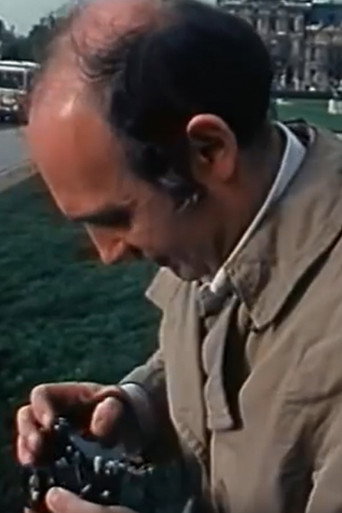
A fortuitous meeting, late one afternoon, in the garden of the Tuileries, of one or two cameras, a tape recorder, and three cameramen/directors, Raymond Depardon, Jean Rouch, and Philippe Costantini.
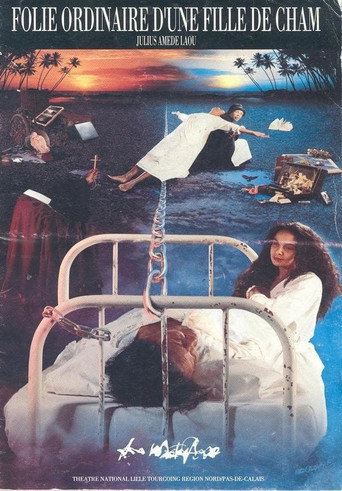
In Jean Rouch's cinematic reinterpretation of Julius-Amédée Laou's theatrical work, a freshly appointed nurse steps into the chaotic world of a psychiatric ward. Tasked with nurturing the minds within, she forms a profound connection with a patient from Martinique who has been confined within the institution's walls for half a century. As their relationship deepens, the lines between reality and delusion blur, weaving a complex narrative of human connection and psychological intrigue.
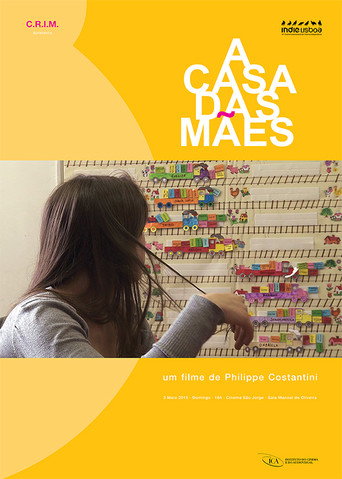
Over the two and half years that he spent in the Casa de Santo Antonio in Lisbon, Philippe Costantini followed the arrivals and departures of very young mothers, from their pregnancy through to the first years with their child. At the centre of this small community of teenagers and their new-borns, the exclusively female staff see to it that the residents, whose family situations are chaotic, obey the rules. Keeping off-screen an often-mentioned violence, the film focuses on the daily lessons in mothering. What then emerges is everything that cannot be taught and which creates a fine dividing line between having a child and becoming a mother.
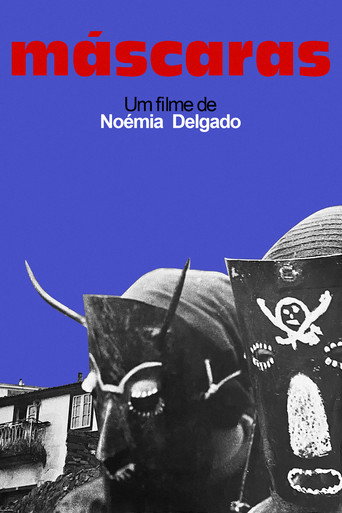
The film sought to portray a relatively unknown and isolated rural world and, through a highly politicized discourse, affirmed the genuineness of “folk culture.” Representative of the new documentary film movement that developed in Portugal after the revolution, the movie encouraged the local retrieval of the Caretos tradition. A ritual that seemed to be doomed by the conjoined impact of emigration, the colonial war and the crisis of agriculture was thus brought back to life. - Paulo Raposo
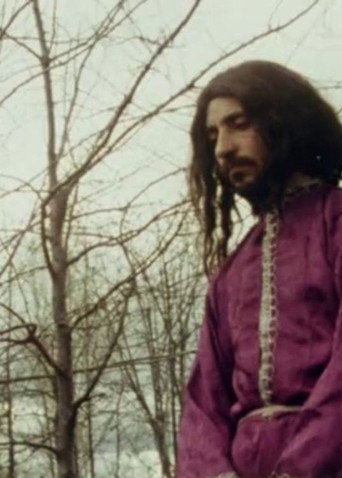
Two years after April 25 1974, with an election looming, a small village prepares to stage a Passion of the Christ involving all the inhabitants, as has always been the tradition.
A self-described collective "cinepoem" involving the inhabitants of Tourém (Montalegre).