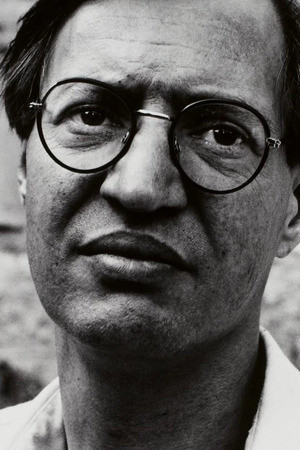
Philippe Clévenot Movies, TV Shows, and Filmography
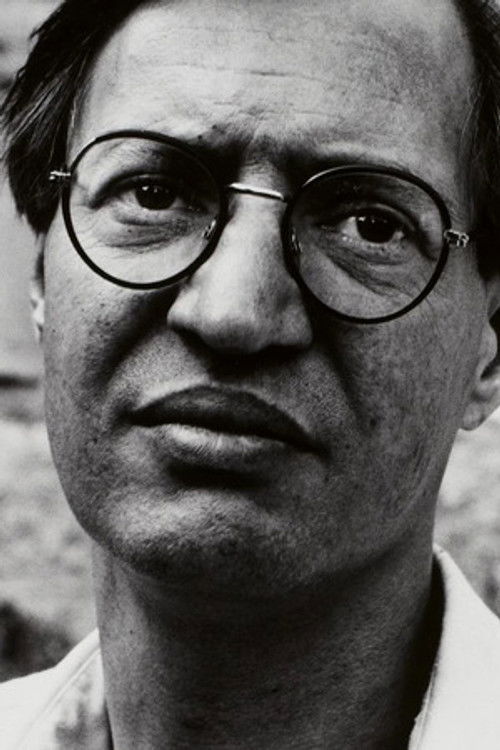
Philippe Clévenot
Acting
Biography
Philippe Clévenot ranks among the greatest actors of a generation who, in the 1960s and 1970s, embarked on the adventure of collective creations and sought to reach a new, popular audience, following in the footsteps of Jean Vilar or Ariane Mnouchkine. From 1962 to 1965, he studied at the Centre dramatique de l’Est, then directed by Hubert Gignoux, Paul Lefèvre, and Claude Petitpierre. At the same time, he continued studying the organ, harpsichord, and piano. After two years of military service (1965–1967), during which he learned German, he joined the Maison de la Culture in Bourges, directed by Gabriel Monnet. In 1971, he took part in the early days of the Théâtre de l’Espérance with Jean Jourdheuil and Jean‑Pierre Vincent, then in 1976 joined the school of the TNS (the higher school of dramatic arts in Strasbourg), also directed by Jean‑Pierre Vincent. From 1985 to 1987, he was a resident actor at the Comédie‑Française. Philippe Clévenot performed both classical and contemporary repertoire. He appeared in The Misanthrope by Molière and Macbeth by Shakespeare (both directed by Jean‑Pierre Vincent); in The Prince of Homburg by Kleist (directed by Matthias Langhoff) and The Broken Jug by the same author (directed by Bernard Sobel); in The School for Wives by Molière (directed by Bernard Sobel); Rameau’s Nephew by Diderot (directed by Jean‑Marie Simon); in Artaud Mômo and The Vieux‑Colombier Lecture as well as The True Story of Artaud Mômo by Antonin Artaud, in which he portrayed the author; in The Sea Wall by Marguerite Duras; In the Jungle of Cities by Brecht (directed by Stéphane Braunschweig); The Life of the Egoist Fätzer, also by Brecht (directed by Bernard Sobel); Rumor on Wall Street by Bernard Chatellier, based on Melville’s Bartleby (directed by Bérangère Bonvoisin); and Pioneers in Ingolstadt by Marieluise Fleisser. As a director, he notably staged Anna Christie by Eugene O’Neill in Geneva in 2000 — a production later revived at the Théâtre Gérard Philipe in Villeurbanne in 2001. He also wrote Celle qui ment, inspired by the famous Italian mystic Angela of Foligno. His first film role was offered by René Allio in 1970 in Les Camisards. He later worked with numerous filmmakers, including Bertrand Blier, Patrice Leconte, and Jean‑Jacques Beineix. One of his final film appearances was in Disparus (1998), the first historical and political feature by young director Gilles Bourdos.
Filmography Movies
Acting
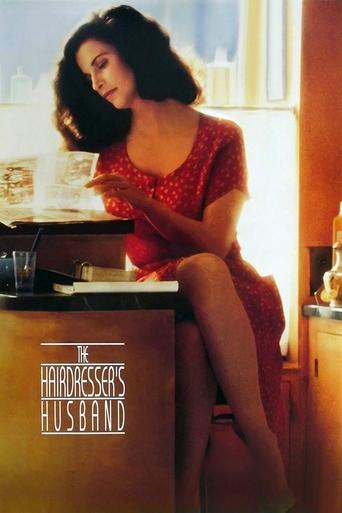
The Hairdresser's Husband
Antoine has always been fascinated by a hairdresser's delicate touch, the beguiling perfume, and the enticing figure of a woman with an opulent bosom. After all, he had always known he would marry one, completing his idealized love fantasy.
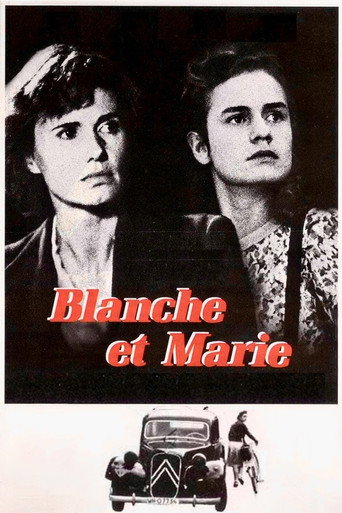
Blanche and Marie
A little town in the north of France, 1941. Blanche has three children. She worries about her husband Victor, who often goes out at night. Actually, Victor belongs to the Resistance. Soon, Blanche will be a resistant too. In the network, there is also Germinal, the hairdresser. His daughter Marie knows everything and asks to be part of it... Chronicle of the occupation and of the resistance through the eyes of the women.
The Making of West Indies
Taken during the filming of "West Indies," this film shows the making of the monumental set in the middle of the former Citroën factory, as well as backstage activity and rehearsals on the set.
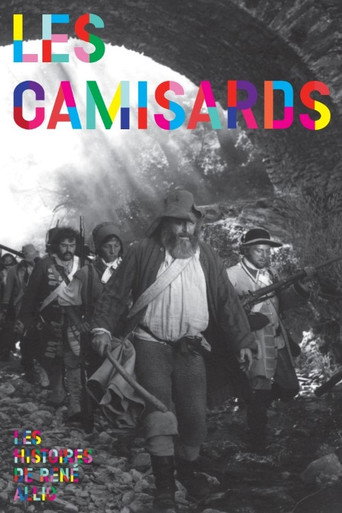
The French Calvinists
A few years after the revocation of theEdict of Nantes, the Camisards, Protestants from the Cévennes region, mostly peasants and silk workers, formed groups following Gédéon Laporte and fought Louis XIV's dragoons.
Deep Water
On the island of Jersey, off the French coast, Mélanie, a beautiful woman gifted with a captivating personality, enjoys having unimportant love affairs that her husband Victor, a perfumer older than her, seems to endure with total indifference.
La Chanson du mal-aimé
Biography of the life of Guillaume Apollinaire.
The Sorceress
An adaptation of La Sorcière from Jules Michelet
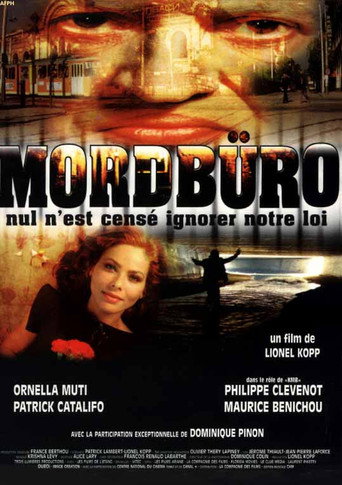
Mordbüro
The neologistic title of this film translates as "Death Bureau," a secret vigilante organization used by ordinary working folk to rid the city of criminals through secret executions. Woodworker Leo Stoychev goes to the organization for help because his boss Branco won't repay a loan and may have had something to do with the accident that crippled Leo. The Mordbüro is responsible for the death of a crooked lawyer, and Inspector Raoul becomes suspicious.

Diesel
A prostitute, released from prison, tries to change her life, but a murderous slave organization, the Consortium, is determined to bring her back to the fold or kill her, which forces her to seek help from Liberty, an anti-Consortium group.
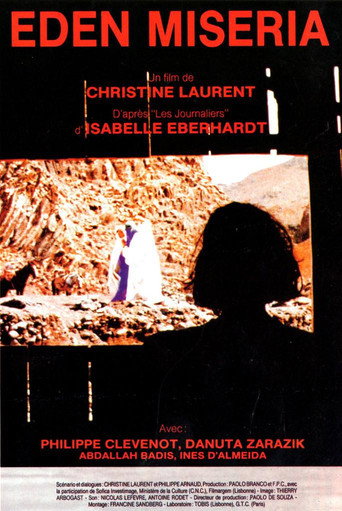
Eden miseria
Danuta Zarasik plays Isabelle Eberhardt in this biographical drama. At the turn of the 20th century, Isabelle fell in love with the African desert, donning men's clothing to travel and record her adventures in writing while her Moslem husband patiently waited at home. This visually stunning feature shows the overwhelming majesty and beauty of the forces of nature. Director Christine Laurent relies upon her expertise as a painter and designer to bring an added dimension of artistic beauty to the film.
Gallery