Sound
No biography available.
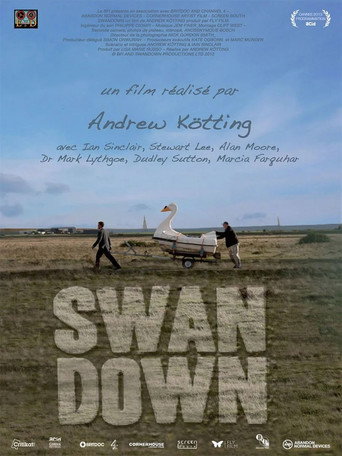
Director Andrew Kötting and writer Iain Sinclair sail a swan-shaped pedalo from Hastings to Hackney in London in the build-up to the 2012 Olympic Games.
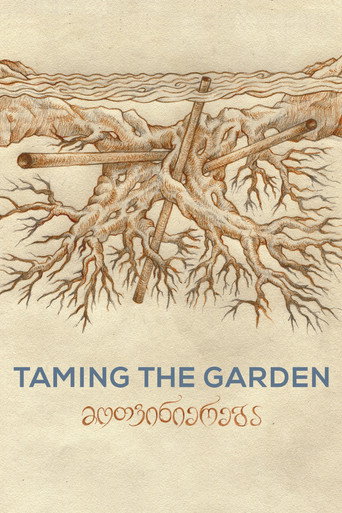
Georgia’s former prime minister has found a unique hobby. He collects century-old trees, some as tall as 15-story buildings, from communities along the Georgian coast. At a great expense and inconvenience, these ancient giants are uprooted from their lands to be transplanted in his private garden.
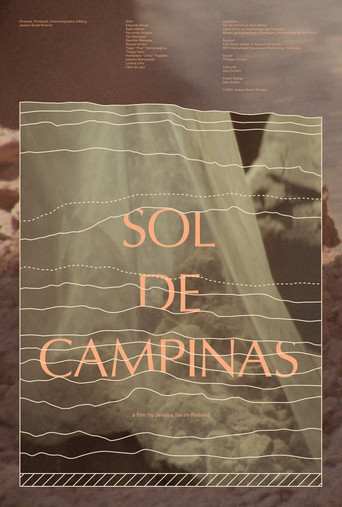
Sol de Campinas traces the work of archaeologists who, for the past ten years, have been excavating a ring of mounds surrounding a central plaza within a territory currently known as the State of Acre, Brazil. They transition from field to laboratory, interpreting how the land was constructed, what patterns were employed in settlement land use, and the composition of the anthropogenic earth that remains.
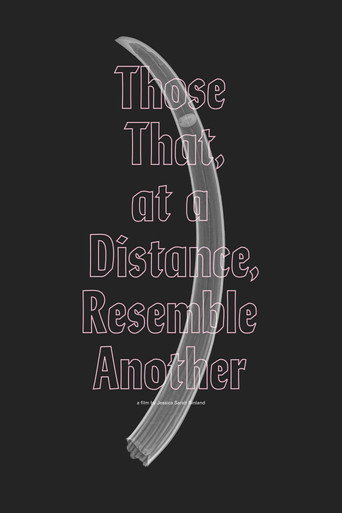
With an elephant’s tusk as the protagonist, the film meditates on the endless tactility of conservation.
Mr. Bean wins a trip to Cannes where he unwittingly separates a young boy from his father and must help the two reunite. On the way he discovers France, bicycling and true love, among other things.
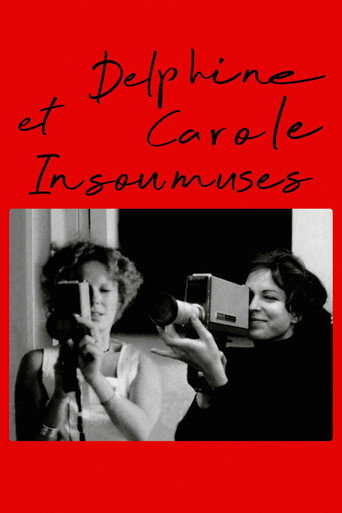
In the 70s, actress Delphine Seyrig and director Carole Roussopoulos, both militant feminists, were the pioneers of video activism in France. They documented the demonstrations of French feminists and used the new technologies to counter the poor representation of women in the public media.
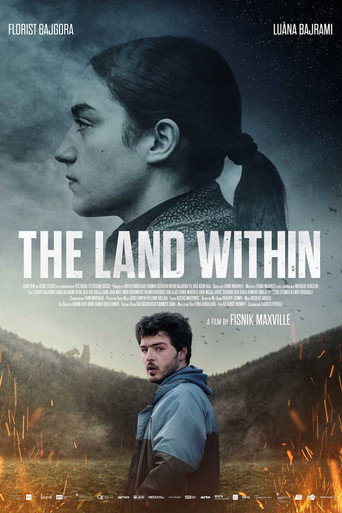
After years of exile, Remo, an orphan, returns to his childhood village in the Balkans. He must help his adoptive cousin, Una, with the exhumation of a mass grave that contains most of their family members buried there during the war. But the bodies reveal family secrets that will make Remo and Una question their past and their future. A film about the possibility of truth in a place that only knows survival.
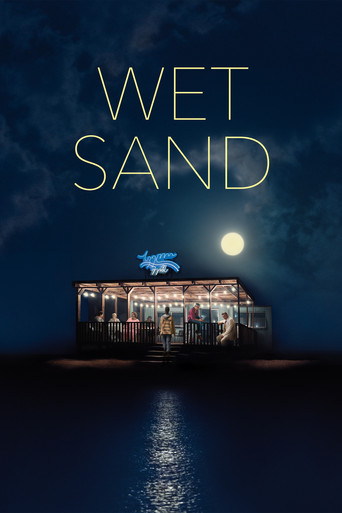
A village on the Georgian Black Sea is full of friendly people convinced they know each other. One day, Eliko is found hanged. His granddaughter Moe comes to organize his funeral. She is confronted with a web of lies and the tragic consequences of Eliko's hidden love life with Amnon, which lasted 22 years. The truth however frees Moe’s capability to love and forces the villagers to take a stand.
‘You have no choice about being here, you’ll have no choice about when you leave’ proclaims a woman in Xiaolu Guo’s latest film, a documentary about the personal and physical journeys of the people of London’s East End. Herself an immigrant to the area, Guo’s sensitive character studies hint at an affinity with the push and pull of feelings of alienation, a theme she has previously explored as a filmmaker (She a Chinese, LFF 2009) and novelist (A Concise Chinese-English Dictionary for Lovers). This empathy is also apparent in her playful stylistic approach that layers Warhol-esque news reports, archival material and a soundtrack including Linton Kwesi Johnson and Fela Kuti, to comment on the human cost of capitalism. The resulting film is both a penetrating portrait of a frenetic place that feels deeply authentic, and a powerful piece of protest film.
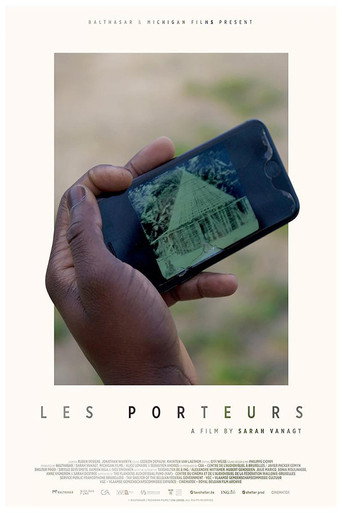
Some kids in Brussels play a game based upon objects that were brought back from the Congo and which were used during the Hutereau expedition.