Acting
No biography available.
"The CIA's War Against Cuba" - a briefing of the past ten years of CIA activities in Cuba, and the agents and other staff involved by the Dirección General de Inteligencia (DGI). DGI executed a parade of CIA agents active in Cuba, technology used, arms caches, journalists and other correspondents involved in intelligence tasks. This action was taken by Fidel Castro when his top agent Florention Aspillaga defected to the US via their embassy in Vienna, which immediately was followed by more defections and disclosure of so-called double agents. "La guerra de la CIA contra Cuba" was being broadcasted in 11 episodes.
It fought against international terrorism in South America and watched out for our allies abroad...but what else did it do?...What are the true secrets of the C.I.A.?
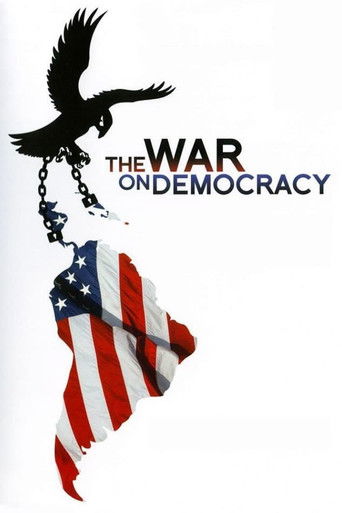
Set both in Latin America and the United States, the film explores the historic and current relationship of Washington with countries such as Venezuela, Bolivia and Chile. Pilger says that the film "...tells a universal story... analysing and revealing, through vivid testimony, the story of great power behind its venerable myths. It allows us to understand the true nature of the so-called "war on terror". According to Pilger, the film’s message is that the greed and power of empire is not invincible and that people power is always the "seed beneath the snow".
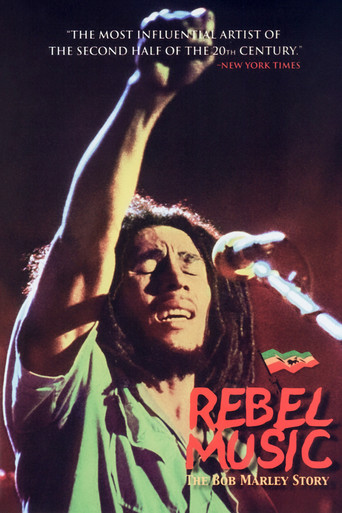
Profile of the life and music of the legendary reggae singer.
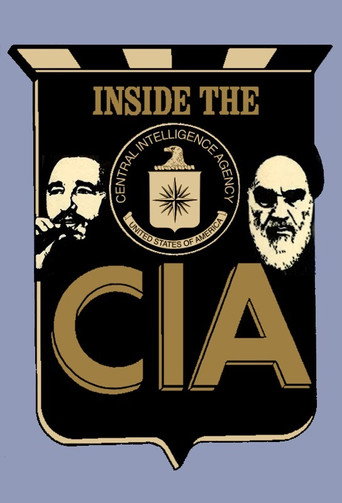
A controversial three part critical documentary on the history of the CIA.
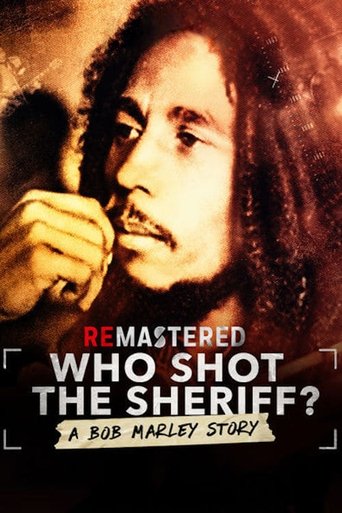
In 1976, reggae icon Bob Marley survived an assassination attempt as rival political groups battled in Jamaica. But who exactly was responsible?
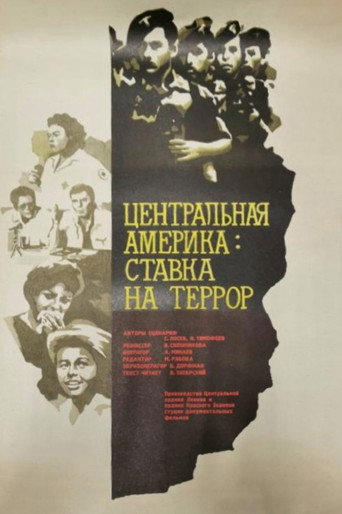
About the USA's international terrorism, targeted on Latin American countries: El Salvador, Cuba, Nicaragua.
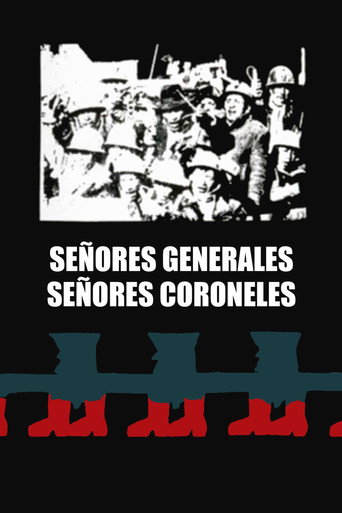
A plea against the government of General Hugo Banzer (1971-1978) and specifically against the Bolivian military during the seven-year dictatorship. Includes interviews with prominent politicians, union leaders, and former CIA agents, as well as with Régis Debray, advisor to President Mitterrand.
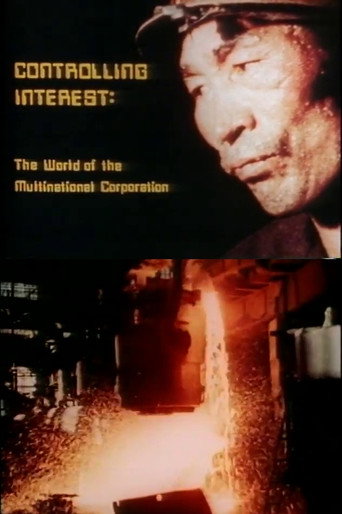
The first account on film of the growth of multinational corporations, their impact on people at home and abroad, and their influence on U.S. foreign policy. This is the film that helped kick-off the anti-globalization movement. Upon release, it quickly became a standard "audio-visual text" for those concerned about the growing impact of multinational corporations on global affairs. The film examines how the ever-increasing concentration and velocity of capital affect employment in the U.S., shape patterns of development in the Third World, and influence our nation's foreign policy.
An examination of the United States retreat from victory in the face of increased Soviet sponsored subversion and terrorism.