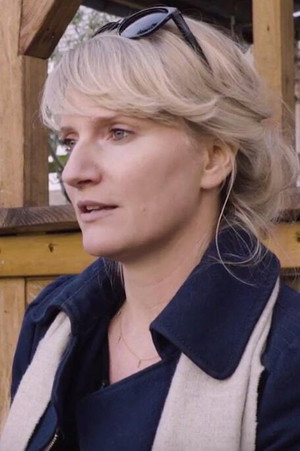
Phie Ambo Movies, TV Shows, and Filmography
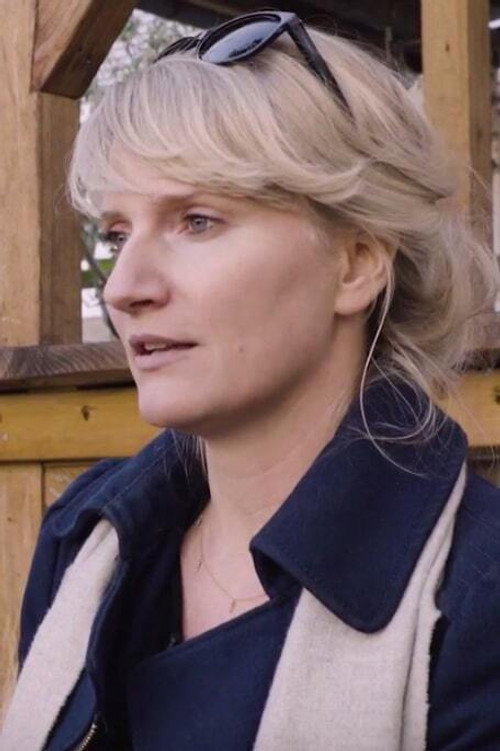
Phie Ambo
Directing
Biography
Phie Ambo is a Danish director who grew up in Snekkersten in Denmark. She graduated as a math-student from Helsingør Gymnasium in 1992. She studied directing of documentary film at National Film School of Denmark.
Filmography Movies
Acting
The Diver Inside Me
In 2003 Phie Ambo made the graduation film from the Danish Film School 'The Diver Inside Me'.
Family
The directors, who are also partners, take a journey in pursuit of Sami's father, who abandoned his Danish family when Sami was very young.
Production
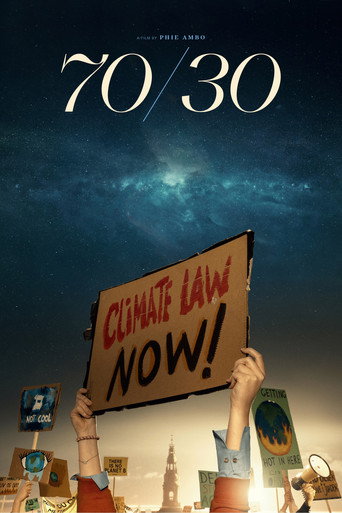
70/30
In 2019, thousands of Danish children and youths took to the streets. They stayed away from school to demonstrate for the climate, mobilise their parents and grandparents, and demand action – now! When elections were called later the same year, it was clear that green climate policies attracted voters, and suddenly the climate was at the top of the political agenda. ‘70⁄30’ portrays the creation of one of the world’s most ambitious climate laws, with the goal of reducing Denmark’s CO2 emissions by 70% by 2030. But will the politicians, citizens and industry be able to come together to make Denmark a green pioneer? Or will the election promises and green ambitions crumble when the new climate law is faced with reality?
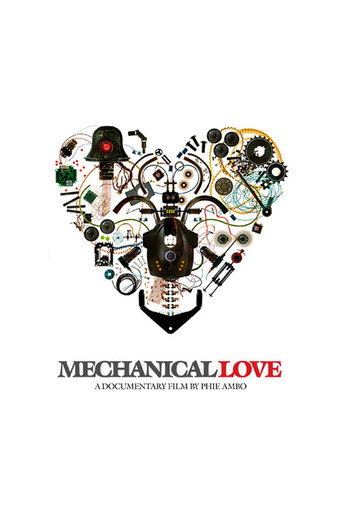
Mechanical Love
"Mechanical Love" is a documentary on the interrelationship between robots and humans. The film portrays people who have a close relationship with a robot, and it takes us from the high temple of robot technology, Tokyo, Japan, to Braunschweig, Germany, to Italy and back to Copenhagen, Denmark. By this world tour director Phie Ambo seeks to highlight the human need for love and our craving to be loved by others - perhaps the two most important aspects of life. Through the main characters, she examines the cultural differences in how we accept emotional robots in the East and the West.

Gambler
A humorous documentary about Nicolas Winding Refn and his struggle to secure his family financially and help him get on with his life. Forced to file for personal bankruptcy after the failure of "Fear X" at the box office, Refn has only one chance to wipe the slate clean and continue his career as a filmmaker: produce sequels to his breakthrough movie "Pusher."
Gambler
A humorous documentary about Nicolas Winding Refn and his struggle to secure his family financially and help him get on with his life. Forced to file for personal bankruptcy after the failure of "Fear X" at the box office, Refn has only one chance to wipe the slate clean and continue his career as a filmmaker: produce sequels to his breakthrough movie "Pusher."
Gambler
A humorous documentary about Nicolas Winding Refn and his struggle to secure his family financially and help him get on with his life. Forced to file for personal bankruptcy after the failure of "Fear X" at the box office, Refn has only one chance to wipe the slate clean and continue his career as a filmmaker: produce sequels to his breakthrough movie "Pusher."
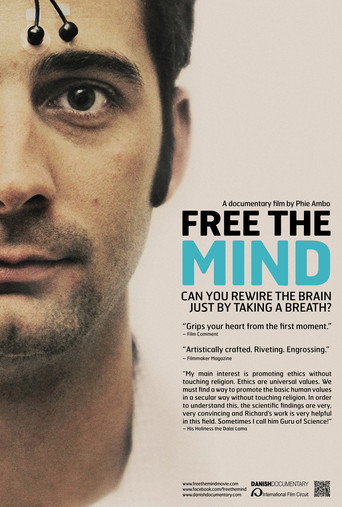
Free the Mind
Brain scientist Professor Richard Davidson sets up his mind to conduct an unusual experiment: He will teach American war veterans and children meditation and yoga. Can veterans through meditation and yoga ease their pain and nervous system, find happiness and be more peaceful and get back to a life more like the one they had before the war?
Free the Mind
Brain scientist Professor Richard Davidson sets up his mind to conduct an unusual experiment: He will teach American war veterans and children meditation and yoga. Can veterans through meditation and yoga ease their pain and nervous system, find happiness and be more peaceful and get back to a life more like the one they had before the war?
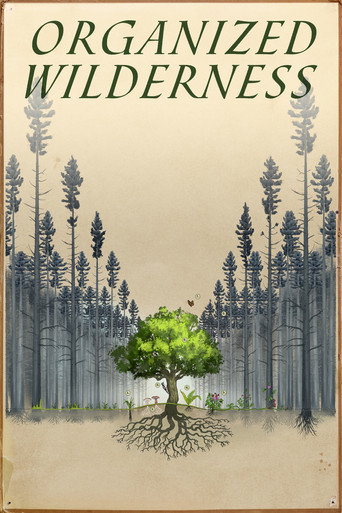
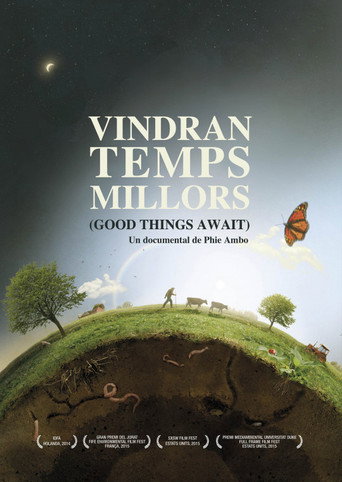
Good Things Await
Niels Stokholm is one of the most idealistic farmers in Denmark. He runs the biodynamic farm with his wife, Rita, and from their farm, Thorshøjgaard, they distribute products to some of the best restaurants in the world.But not everyone is equally fond of Thorshøjgaard and their holistic methods. Authorities and bureaucracy threaten to close down the farm. Phie Ambo follows their struggle to make sure that they are not the last to do agriculture the way they do, but some of the first.
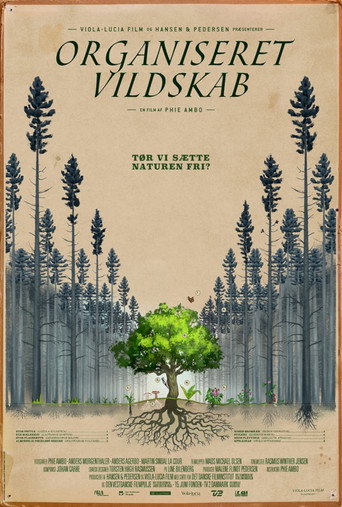
Organiseret Vildskab
Denmark is, after Bangladesh, the most cultivated country in the world. This can be seen in our biodiversity, which has plummeted since the 1980s. We actually have less than two percent of wild nature left in Denmark, and something must be done about that now! The Danish Nature Foundation has purchased a large area in Hammer Bakker with production forest, which is to be converted into wild nature with large grasses, butterflies and, with a little luck, a golden eagle or two. But how do you make something wild that has been tamed for so long?
Gallery