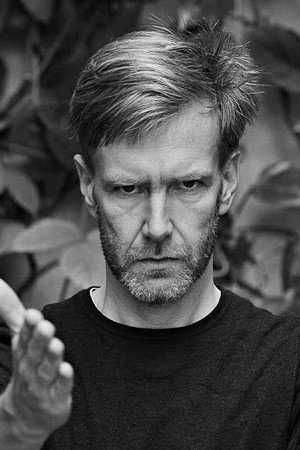
Petr Marek Movies, TV Shows, and Filmography
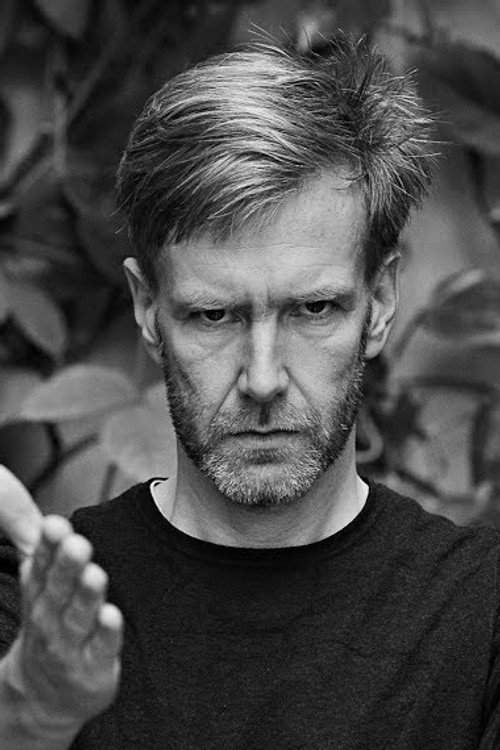
Petr Marek
Directing
Biography
Born in 1974, since the late 1980s he has made about thirty short and seven long films (the shortest 9 seconds, the longest 4 hours). Among the awarded films is the 8mm Všechno na Mars! (1997). The film Dříve, než.... (1997) is part of the National Film Archive's collection Czech Experimental Film and together with Film Petra (1995), was screened as part of the recent Czech Season in Paris. Together with Vít Janeček, Petr Marek made a documentary essay about the Karlovy Vary Film Festival in 1997 for Czech Television. In 2001, he participated as a second cameraman in Jan Němec's film Noční hovory s matkou (2001) and collaborated with Jan Gogola Jr. on the film Národ sobě aneb České moře v 18 přílivech (2003). In 2002, Cinemart released his feature debut Láska shora in Czech distribution, co-produced by NEGATIV s. r. o. and UNARFILM, which was met with heated reactions on both sides. In 1999, he graduated from the Department of Film Science at the Faculty of Arts, Charles University in Prague with a diploma thesis entitled Mechanics of the Memory of the Film Medium (and Memory in Film). His theoretical works appear in the magazines Film a doba, Cinepur, Iluminace, Kino/Ikon, Lidové noviny, Tamto, Týden. Since 1991, he has been an actor at the Dekadentní divadlo Beruška. He is also the author of many film soundtracks, he won the Czech Lion for the soundtrack of Protector (2009). Since 2006, he has also been the frontman of music band Midi Lidi. He worked as a film dramaturg at the Roxy in Prague, and is currently also a teacher at the Department of Directing at FAMU. His most recent feature film was Nothing Against Nothing (2011).
Filmography Movies
Acting
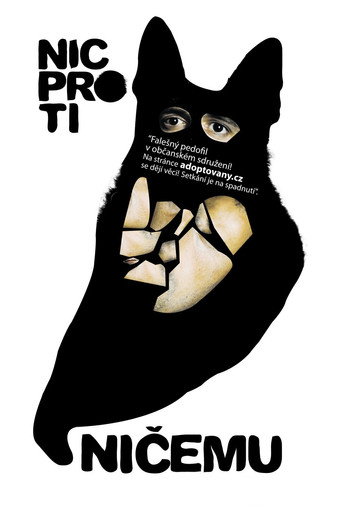
Nothing Against Nothing
Young married couple Radek and Johana are considering adoption. In order to weigh up the possible risks, they gatecrash a meeting of their contemporaries who grew up in adoptive families and contacted each other via internet chat rooms. A group of thirty-somethings get together at a campsite for a few days in order to set up an association in support of adoption. Despite their shared fate and "noble” intentions, the members of this small community don’t hit it off. Where does pretentious tolerance end and buck-passing indifference begin? And what has decent morality got in common with xenophobia? As an ironic reflection that questions how prepared we should be to help each other out, the film offers a sophisticated and poetic take on the grimly authentic style of the Dogme 95 Manifesto. This satirical comedy was the result of collaboration with the LÁHOR/Soundsystem theatre group, which focuses on realistic collective stage improvisation within the structure of a predetermined story.
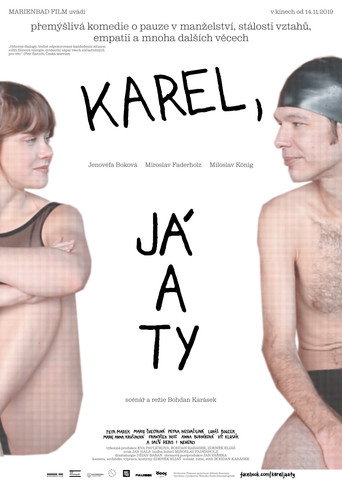
Karel, Me and You
Karel and Saša's marriage has reached a dead end, so Saša moves out of the house for a while. She finds temporary refuge with Dušan, an old acquaintance who once played at their wedding. Both of them, sometimes together, sometimes separately, explore the elusive topic of relationships and shed light on it from their opposite perspectives.
Situation of the Street or the Czech Sea in the 18 Tidal Waves
An experimental study about Czech life, focusing on Prague's National Street, its businesses and the varied people who frequent it.
Malý atlas hub
High school students arrive at their former teacher's farm. In one night, under the illusion of a harmonious friendship, a conflict between two generations and attitudes in life emerges. The two sides, although connected by a complicated web of relationships, differ in their moral demands on themselves and each other.
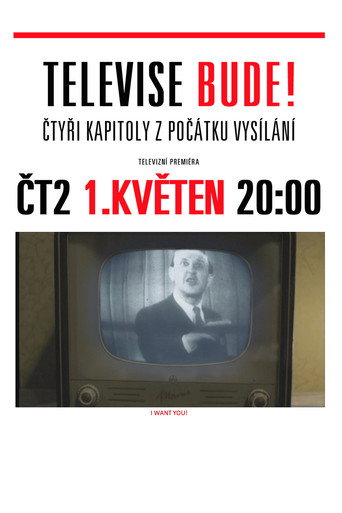
Televise bude!
Flexible, powerful, and naive. The fates of three men intersect at the launch of Czechoslovak television broadcasting. Ambitious actor František Filipovský has no idea that his casual improvisation on the theme of "the miser" will go down in history. For Minister of Information Václav Kopecký, it is a moment of great nervousness: will he convince his comrades that television broadcasting is the golden goose of communist propaganda? A young television technician is fascinated by the "remote transmission of images and sound" – he has a job he never dreamed of. But can a person fulfill their dreams in communist Czechoslovakia in the 1950s without getting involved with the regime?
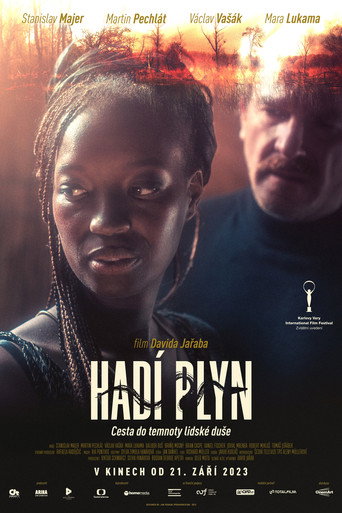
Snake Gas
This loose adaptation of Joseph Conrad's Heart of Darkness follows Robert Klein as he sets out to find his brother, who disappeared under mysterious circumstances.
Production
Nothing Against Nothing
Young married couple Radek and Johana are considering adoption. In order to weigh up the possible risks, they gatecrash a meeting of their contemporaries who grew up in adoptive families and contacted each other via internet chat rooms. A group of thirty-somethings get together at a campsite for a few days in order to set up an association in support of adoption. Despite their shared fate and "noble” intentions, the members of this small community don’t hit it off. Where does pretentious tolerance end and buck-passing indifference begin? And what has decent morality got in common with xenophobia? As an ironic reflection that questions how prepared we should be to help each other out, the film offers a sophisticated and poetic take on the grimly authentic style of the Dogme 95 Manifesto. This satirical comedy was the result of collaboration with the LÁHOR/Soundsystem theatre group, which focuses on realistic collective stage improvisation within the structure of a predetermined story.
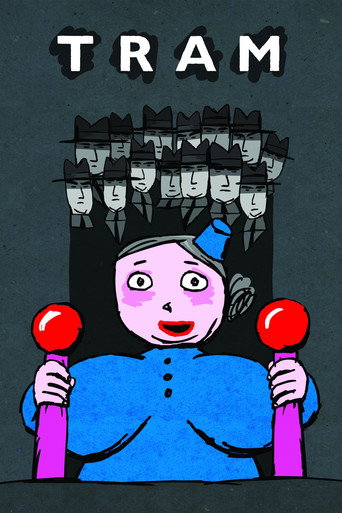
Tram
As every morning, men get on the tram to go to work. But on that day, to the rhythm of the tickets inserted in the ticket-stamping machine, the vehicle gets erotic and the conductress’ desire turns the reality into a surrealistic and phallic fantasy.
Nebýt dnešní
Gerard, Mara and Jiri are addicted to heroin. The trio's struggle to kick the habit is more complicated than they expected. And then something happens that changes everything.
Nebýt dnešní
Gerard, Mara and Jiri are addicted to heroin. The trio's struggle to kick the habit is more complicated than they expected. And then something happens that changes everything.
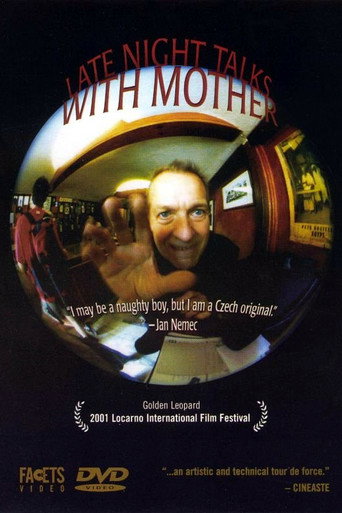
Late Night Talks with Mother
Taking a cue from Franz Kafka's "Letter to My Father," this highly personal film follows Czech director Jan Nemec as he attempts to engage in a dialogue with his deceased mother. While alive, Nemec's mother had a troubled relationship with her son; this rumination seems to be Nemec's public platform for coming to terms with unresolved familial issues. The director embellishes his film by linking personal events with 20th century history.
Nothing Against Nothing
Young married couple Radek and Johana are considering adoption. In order to weigh up the possible risks, they gatecrash a meeting of their contemporaries who grew up in adoptive families and contacted each other via internet chat rooms. A group of thirty-somethings get together at a campsite for a few days in order to set up an association in support of adoption. Despite their shared fate and "noble” intentions, the members of this small community don’t hit it off. Where does pretentious tolerance end and buck-passing indifference begin? And what has decent morality got in common with xenophobia? As an ironic reflection that questions how prepared we should be to help each other out, the film offers a sophisticated and poetic take on the grimly authentic style of the Dogme 95 Manifesto. This satirical comedy was the result of collaboration with the LÁHOR/Soundsystem theatre group, which focuses on realistic collective stage improvisation within the structure of a predetermined story.
Nothing Against Nothing
Young married couple Radek and Johana are considering adoption. In order to weigh up the possible risks, they gatecrash a meeting of their contemporaries who grew up in adoptive families and contacted each other via internet chat rooms. A group of thirty-somethings get together at a campsite for a few days in order to set up an association in support of adoption. Despite their shared fate and "noble” intentions, the members of this small community don’t hit it off. Where does pretentious tolerance end and buck-passing indifference begin? And what has decent morality got in common with xenophobia? As an ironic reflection that questions how prepared we should be to help each other out, the film offers a sophisticated and poetic take on the grimly authentic style of the Dogme 95 Manifesto. This satirical comedy was the result of collaboration with the LÁHOR/Soundsystem theatre group, which focuses on realistic collective stage improvisation within the structure of a predetermined story.
Heart Above the Castle
A neon heart installed above Prague Castle illuminated the city for the last three months of Václav Havel’s presidency in an artist’s tribute to his extraordinary service. His last major undertaking was hosting the NATO summit in 2002 and Němec was granted extraordinary access to film it. Set to make a “special poetic film”, it took Němec years to process what he had witnessed – George W. Bush creating an alliance to invade Iraq. It may then be the director’s revenge to point his camera lens democratically at everyone involved with the summit, giving the same screen time to kitchen and waiting staff, musicians, security detail and NATO protesters, as to the heads of states and attending dignitaries. Havel however, became as much of a subject as the president on screen, and the film’s narrator, providing commentary in his own voice from the distance of a few years after he left the office.
Nebýt dnešní
Gerard, Mara and Jiri are addicted to heroin. The trio's struggle to kick the habit is more complicated than they expected. And then something happens that changes everything.
Nebýt dnešní
Gerard, Mara and Jiri are addicted to heroin. The trio's struggle to kick the habit is more complicated than they expected. And then something happens that changes everything.
Gallery