Acting
No biography available.
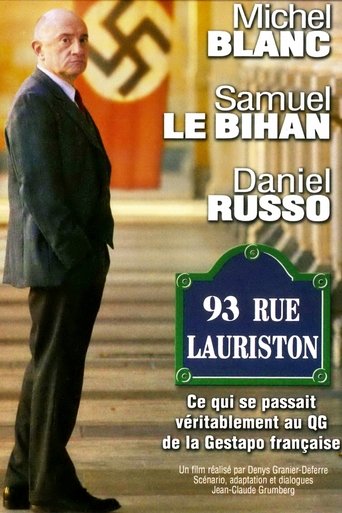
93, rue Lauriston, in the 16th arrondissement de Paris, is an address of bleak memory. It was indeed the headquarter of the French Gestapo, which was active between 1941 and 1944 and was headed by Henri Lafont and Pierre Loutrel, two wanted criminals. On the day of 1940 he was demobilized, little did well-meaning Léon Jabinet know that he would be associated with such disreputable characters. And yet, some time later, Odile Panzer, the Jewish girl he has been hiding at his parents'place, is arrested by the Gestapo. On this occasion Léon is offered a deal for her release: collaborating with the Carlingue (another name for the French auxiliaries of the Nazi police) and Odile will be free. Or else... What should he do?
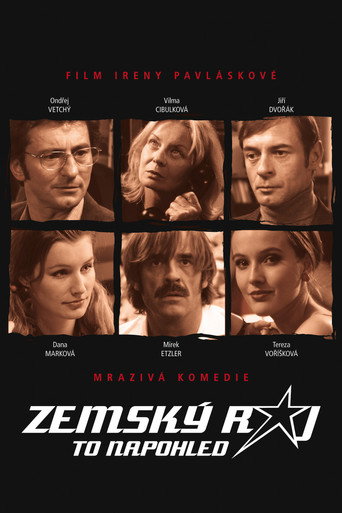
Adolescence is always a difficult time; it is doubly so for Gábina. For one thing, she is growing up in the normalization years of the 1970s, and then she also has to face the reality that her father is a well-known actor disavowed by the regime. Although he abandoned the family years before, his existence casts an ominous shadow over the lives of not only Gábina, but also her older sister and mother, who are trying to find a civilized way through the social mire of the times.
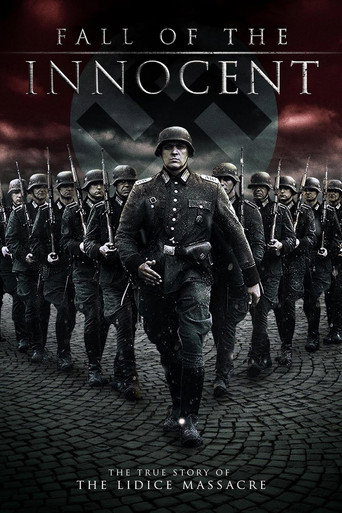
Czechoslovakia, 1941. As the war continues, Reich Protector Reinhard Heydrich arrives in Nazi-occupied Prague and establishes a regime of terror that will force freedom fighters to act. But the price to pay will be too high.
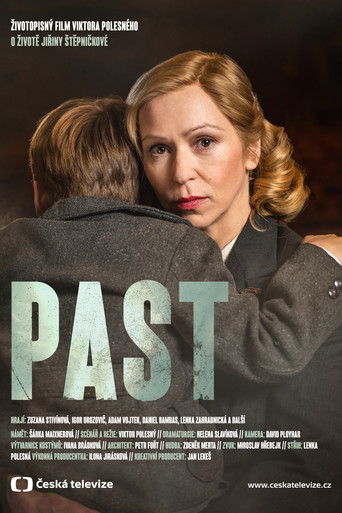
In 1951, the well-known Czech actress Jiřina Štěpničková receives a letter from Austria from director František Čáp, who has recently emigrated. He invites her to the West and promises her roles in theater and film. She decides to seize the opportunity and flee. Together with a small group of people and her young son Jirka, she entrusts herself to a smuggler and embarks on a risky journey across the border. But something goes wrong. They are caught. Everything had been planned in advance. The smuggler himself is a member of the StB. But that's only the beginning.
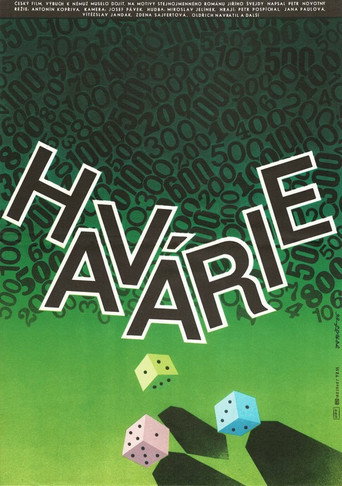
In the 1980s, the building themes were transformed into bipolar moral dilemmas involving overly ambitious individuals who wanted to excel at any cost. The hero is the head of a demolition crew that demolishes large buildings, initially a sympathetic young man who, in the pursuit of career and accolades, begins to transgress the boundaries of what was then called socialist morality and legality. He gradually finds himself at odds with the principles of ordinary but honest people. The narrative's bland, proclamatory film is closely connected to its time of creation, and there are hardly any more timeless insights to be found.