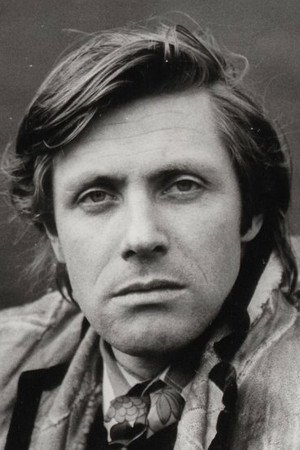
Peter Whitehead Movies, TV Shows, and Filmography
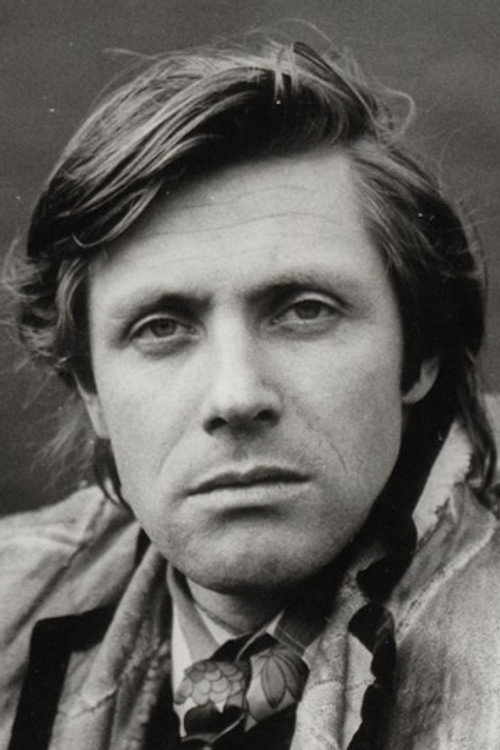
Peter Whitehead
Directing
Biography
Peter Lorrimer Whitehead was an English writer, photographer and filmmaker who documented the counterculture in London and New York in the late 1960s. He is also known for his work as a director of promotional film clips (precursors to the modern music video) including a version of "Interstellar Overdrive" for Pink Floyd and several clips for The Rolling Stones.
Filmography Movies
Acting
Nothing to Do with Me
A film portrait of Peter Whitehead that takes the form of an interview without questions - an experiment with Being and Time.
The Falconer
Chris Petit & Iain Sinclair's liminal, laminal tribute to underground filmmaker Peter Whitehead, featuring image manipulation by Dave Mckean & reminiscences from various countercultural characters. A fitting epitaph for an English margin walker.
In the Beginning Was the Image
This documentary paints a fascinating portrait of Peter Whitehead, whose largely obscure yet important body of cinematic work from the 1960s and '70s includes The Fall (1969), a film that tracks the era's social and political unrest. After chronicling the frenetic lives of counterculture icons such as the Rolling Stones and Allen Ginsberg, Whitehead set his camera aside, quietly living out his life as a potter, writer and falconer.
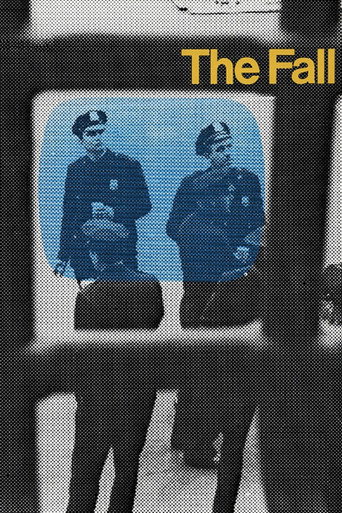
The Fall
"The Fall" depicts certain scenes in New York City between October 1967 and March 1968, shot by the independent filmmaker, Peter Whitehead. It is a very personal documentary, and Whitehead appears in a large number of scenes, and we hear his lengthy ruminations on the state of the United States and the war in Vietnam.
Production
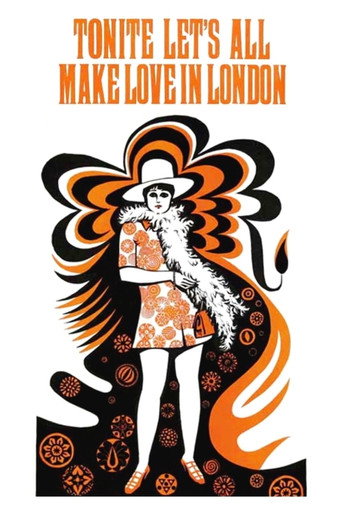
Tonite Let's All Make Love in London
Peter Whitehead’s disjointed Swinging London documentary, subtitled “A Pop Concerto,” comprises a number of different “movements,” each depicting a different theme underscored by music: A early version of Pink Floyd’s “Interstellar Overdrive” plays behind some arty nightclub scenes, while Chris Farlowe’s rendition of the Rolling Stones’ “Out of Time” accompanies a young woman’s description of London nightlife and the vacuousness of her own existence. In another segment, the Marquess of Kensington (Robert Wace) croons the nostalgic “Changing of the Guard” to shots of Buckingham Palace’s changing of the guard, and recording act Vashti are seen at work in the studio. Sandwiched between are clips of Mick Jagger (discussing revolution), Andrew Loog Oldham (discussing his future) – and Julie Christie, Michael Caine, Lee Marvin, and novelist Edna O’Brien (each discussing sex). The best part is footage of the riot that interrupted the Stones’ 1966 Royal Albert Hall concert.
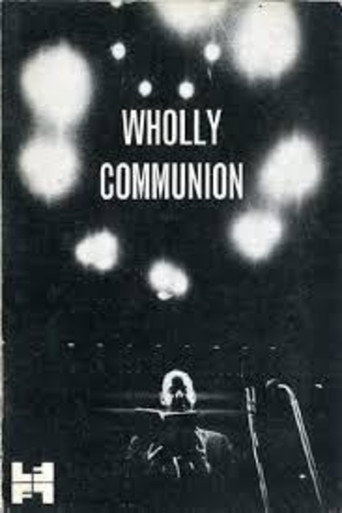
Wholly Communion
A short film documenting what was referred to as "The International Poetry Incarnation". It was billed as Great Britain's first full-scale "happening", with the world's leading Beat poets together under one roof at the Royal Albert Hall on June 11, 1965, for an evening of near-hallucinatory revelry. It came to be seen as one of the cultural high points of the Swinging Sixties.
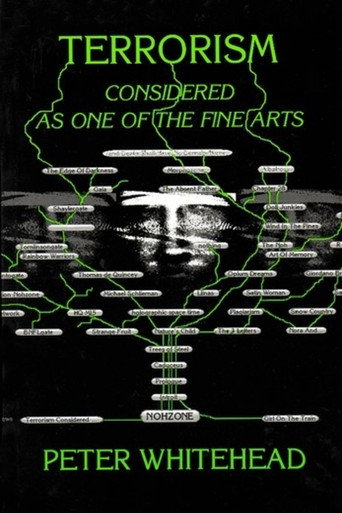
Terrorism Considered as One of the Fine Arts
Adapting its title and theme from Thomas De Quincey's murder text, this long-overdue return to narrative cinema by the great British filmmaker Peter Whitehead is based around a mesmerizing psycho-geographical exploration of modern day Vienna. The film incorporates a record of the subversive underbelly of the city into a poetic meditation on conspiracy theory, ecoterrorism, time and cinema, retracing the story of The Third Man. Adapted from a trilogy of Whitehead's own Nohzone novels, the objective and subjective becomes blurred as the film director merges with the fictional detective in a journey into the murky activities of covert counter-insurgency groups. Kaleidoscopic in intent, the film mixes Noh theatre, Victorian novels, Vienna after the war, opium, domain names and Jacob's ladder "pitched twixt Heaven and Charring Cross".
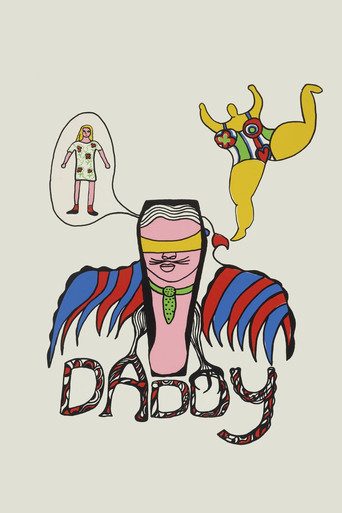
Daddy
Daddy, filmed in cooperation with movie director Peter Whitehead, discovers the connection between a father and little girl. Like the majority of Niki De Saint Phalle’s films, the flick combines autobiography with imagination, mixing erotic scenes of incest with a reverse of energy as the female character humors the daddy figure. Saint Phalle narrates the film, offering an almost psycho-analytical explanation of its content and explains the different inexplicable.
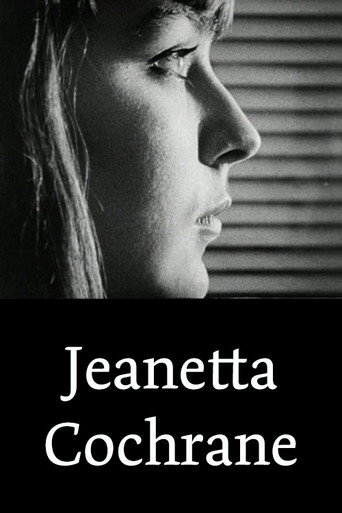
Jeanetta Cochrane
More consciously experimental than Whitehead's other works, this film draws on a variety of sources, including sequences of London shot while Whitehead was at the Slade School of Art, glimpses of the singer and model Nico, and footage of the psychedelic underground nightclub UFO. There is also on-screen text, a voice critiquing it, and music from Pink Floyd, at this point still fronted by Syd Barrett--Whitehead's old painting friend from Cambridge. The track here, "Interstellar Overdrive", was recorded by Whitehead before the band signed to EMI and is much more exciting and beat-driven than the version they would later record for the label. There is no explicit link between the content of the film and the Cochrane Theatre, which is is named after, but the theatre was used as a venue for the Spontaneous Festival of Underground Films in 1966.
Jeanetta Cochrane
More consciously experimental than Whitehead's other works, this film draws on a variety of sources, including sequences of London shot while Whitehead was at the Slade School of Art, glimpses of the singer and model Nico, and footage of the psychedelic underground nightclub UFO. There is also on-screen text, a voice critiquing it, and music from Pink Floyd, at this point still fronted by Syd Barrett--Whitehead's old painting friend from Cambridge. The track here, "Interstellar Overdrive", was recorded by Whitehead before the band signed to EMI and is much more exciting and beat-driven than the version they would later record for the label. There is no explicit link between the content of the film and the Cochrane Theatre, which is is named after, but the theatre was used as a venue for the Spontaneous Festival of Underground Films in 1966.
Jeanetta Cochrane
More consciously experimental than Whitehead's other works, this film draws on a variety of sources, including sequences of London shot while Whitehead was at the Slade School of Art, glimpses of the singer and model Nico, and footage of the psychedelic underground nightclub UFO. There is also on-screen text, a voice critiquing it, and music from Pink Floyd, at this point still fronted by Syd Barrett--Whitehead's old painting friend from Cambridge. The track here, "Interstellar Overdrive", was recorded by Whitehead before the band signed to EMI and is much more exciting and beat-driven than the version they would later record for the label. There is no explicit link between the content of the film and the Cochrane Theatre, which is is named after, but the theatre was used as a venue for the Spontaneous Festival of Underground Films in 1966.
Jeanetta Cochrane
More consciously experimental than Whitehead's other works, this film draws on a variety of sources, including sequences of London shot while Whitehead was at the Slade School of Art, glimpses of the singer and model Nico, and footage of the psychedelic underground nightclub UFO. There is also on-screen text, a voice critiquing it, and music from Pink Floyd, at this point still fronted by Syd Barrett--Whitehead's old painting friend from Cambridge. The track here, "Interstellar Overdrive", was recorded by Whitehead before the band signed to EMI and is much more exciting and beat-driven than the version they would later record for the label. There is no explicit link between the content of the film and the Cochrane Theatre, which is is named after, but the theatre was used as a venue for the Spontaneous Festival of Underground Films in 1966.
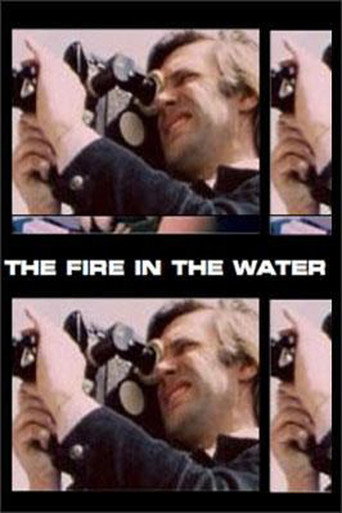
Fire in the Water
A man decides to edit a documentary on the 1960's at a remote cabin in the Scottish Highlands.
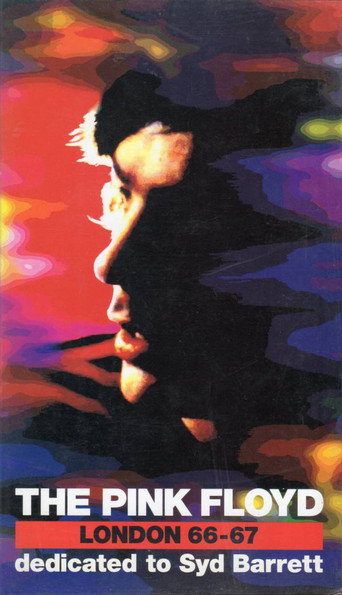
Pink Floyd London '66-'67
Shot by movie maestro Peter Whitehead, this film features rare full length performances from the classic late 60's Pink Floyd line-up at Sound Techniques London & material from the legendary '14 hour Technicolor Dream' extravaganza in April '67 at Alexandra Palace.
Gallery