Directing
No biography available.
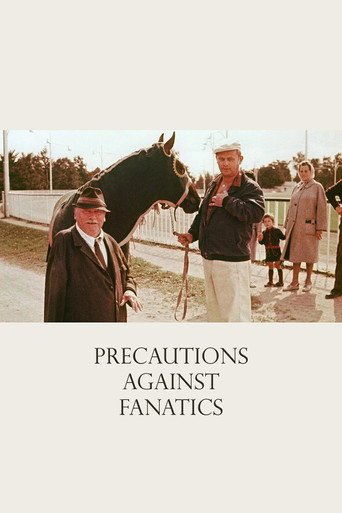
The film features several horse trainers and other track workers talking about their roles at the track, always eventually interrupted by an older man who claims to be the true authority, and demands that they be thrown out. One recurring young man, the first to appear, claims that he protects the horses from enthusiastic racing fans. He does not appear to be employed by the track, but seems to provide his services voluntarily. His protection from "fanatics" gives the film its title. The film is shot in a documentary style, but the sheer implausibility of the dialogue leaves the exact nature of the film ambiguous.
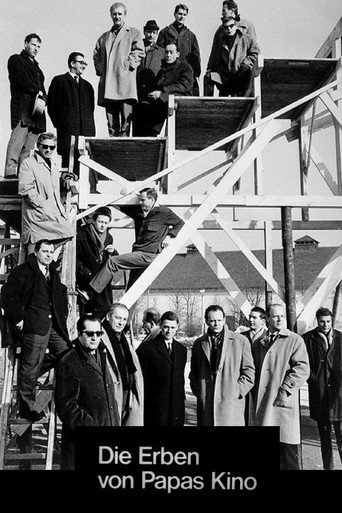
Documentary by Wilhelm Roth about the state of affairs of the Young German Cinema.
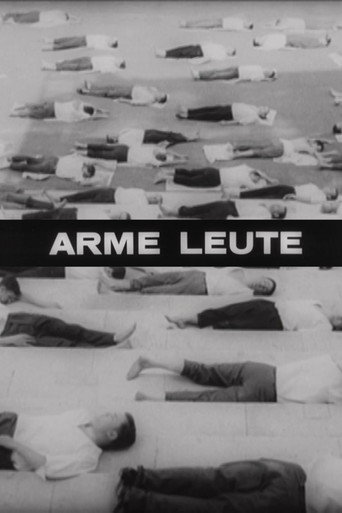
Kristl was a member of the prestigious Zagreb Studio of Animation and his early works as painter and filmmaker had brought him instant acclaim and instant censorship. He fled Croatia and lived in Germany; he died there in 2004. Poor People, a “collective scream” of Cold War fear, was produced just after he left his country.
Biopic of tragic Schlager singer Drafi Deutscher.
Evil teenager assassins Rike & Tom want to kill and film the execution of the rock star Daniel Küblböck [or Lana Kaiser to be correct], who is spiritually supported by his dead grandfather Johnny, with the support of the mysterious Baltazar! Will our well-intentioned wizard succeed to survive this Christmas related mess and learn to forgive the others while beign kidnapped and almost executed, even if that means stickin' his finger in cakes, rollin' in tha snow like a cat or having psychedelic music dreams? (and singin' some bangers in the meanwhile!)
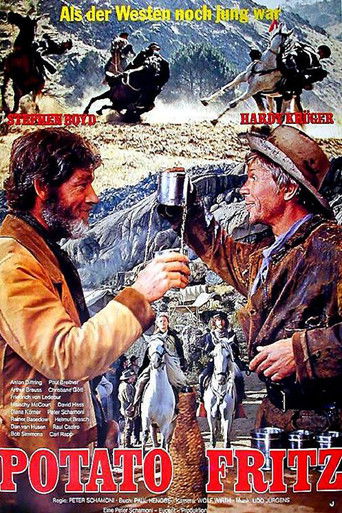
Potato Fritz and his friends have moved from Germany to the American Wild West, settling eventually in the Rockies. They are besieged by what appear to them to be hostile Native Americans. Before too long, it becomes clear that the hostiles are in fact a gang of gold thieves. This movie is notable among German-made Westerns for its use of authentic period costumes and firearms.
T. finds a letter. Instead of just dropping it in a mailbox, he decides, conscientious as he is, to deliver it personally. He wanders the entire world, discovers astounding forms of existence, but cannot be hindered from his duty and keeps looking until he finally finds the address. There, he finds out that he has delivered his own judgment.
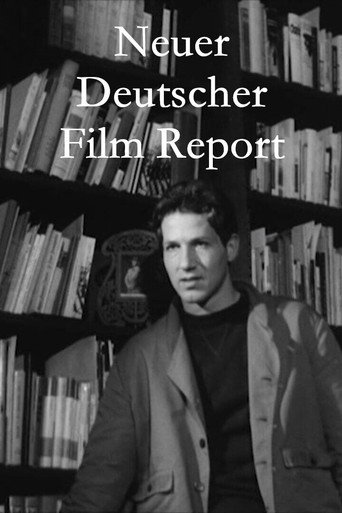
Interview film with the protagonists of the New German Cinema in 1966.
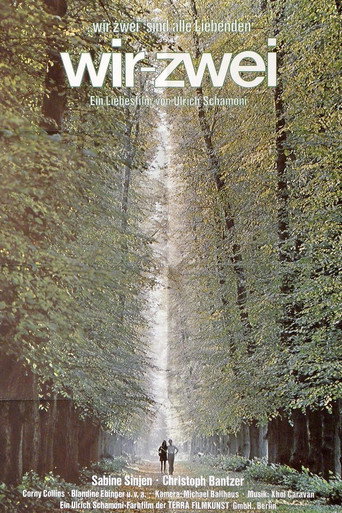
After ten years, Hella Mayer and her boyhood friend Andreas meet again in Berlin on the street. Both know each other from common dance lessons times.
Documentary about the current state of German cinema. Produced for German television.
Martin is 25 years old and very reserved about work. Together with his buddy Henry, he lives in their Schwabing apartment in the day. But everything changes when he falls in love with the attractive Barbara and observed a slump: For when he gives up the police report, the officials themselves suspect him of the crime. In addition, he still owes a text to the hit producer Viktor Block. Suddenly Martin is up to his ears in chaos.
"Spring Symphony" is the story of Robert Schumann and Clara Wieck. Both were music entities. Robert Schumann turns out to have been a second tier composer, if that, never rising to the heights of a Beethoven or Mozart. In contrast, Clara Wieck was a master technician in the playing of the piano, a composer (probably not at Schumann's level), and was a child prodigy.
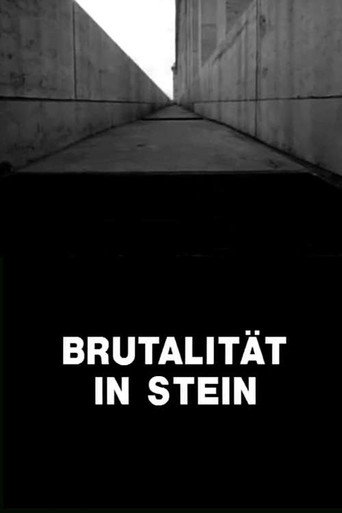
In his experimental short film "Brutalität in Stein" (Brutality in Stone), Alexander Kluge demonstrates how Nazi architecture used dimensions of inhuman and super-human scale to bolster the regime's politics of the same kind. Shots of huge neo-classical architectural structures from the Nazi period are confronted with equally anti-human national-socialist language as a voice-over.
Manfred and Hilke live a live perfectly complied with each other in West Berlin. They managed to elude from the bourgeois conformity, which they loath. But when Hilke finds out about her pregnancy she estranges from her partner. Trying to keep her former life as it was, she desperately looks all over the city to get an abortion.
In 1972, the camera eye observes Friedensreich Hundertwasser in the ambiance he has created for himself and presents a wide selection of his beautifully coloured pictures, which are owned by collectors all over the world, while the artist himself speaks about his life, his work, his ideas, and his manifestoes.