Sound
No biography available.
When people think of DEFA, the film heritage of the GDR, they probably don't just think of film images, but also some of the timeless melodies that were created in Babelsberg.
After the death of their father, 18-year-old Helene Raupe (“coccoon”) and her younger sister Asta come under the guardianship of the youth welfare office in East Berlin. Helene fails miserably as a fishmonger, fashion assistant and bus conductor, all jobs ordained for her by the authorities. The young woman really only “emerges” in her fantasies, where she can escape from her dull, normal life.
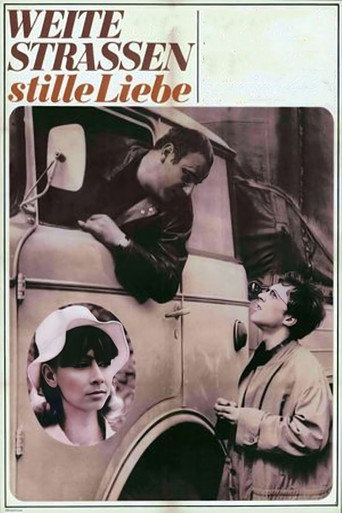
Long-haul driver Hannes picks up a young hitchhiker, Herb, who had a falling-out with his parents after dropping out of college and now travels around doing odd jobs. After a series of adventures, they are joined by Johanna and her child, who missed their bus and need a ride to Berlin. Johanna has left her husband so that he can reflect on their broken relationship and both men gradually begin to fall in love with her.
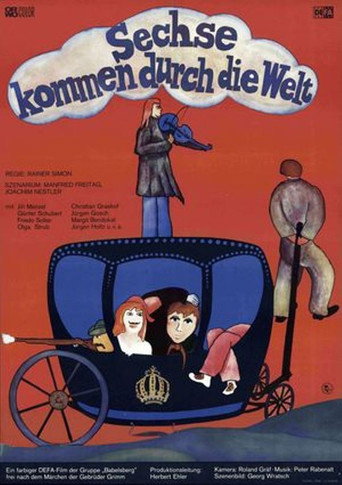
The King of Malabunt has won another war, after decorating himself and his three wooden marshals, he dismisses his army with a low wages. One of his soldiers protest this and is thrown into jail, but he swears to someday return and take all the wealth of the king.
Around 1 billion apples are harvested every year in Havelland, one of the largest fruit-growing regions in the GDR. In order to obtain this quantity in good quality, a large number of preparatory and maintenance operations are required. There are also reports on apprenticeships and practical work in the "Havelobst Central Youth Object". Impressions of the 100th Blossom Festival in Werder as well as myths and legends complete the apple theme.
Unknown assailants threaten the life of British scientist Dr. Ronald Fergusson. Only by chance does the attempt to shoot him in the street fail. Fergusson, who does not believe in police protection, hires private detective Weber for his personal safety. And time and again, the headstrong scientist makes it difficult for his bodyguard to fend off further assassination attempts. Despite being expressly forbidden to do so, he leaves the house. Full of bad suspicions, Weber looks for his client in the morgue, but Vivian, Fergusson's employee, doesn't know the dead man...
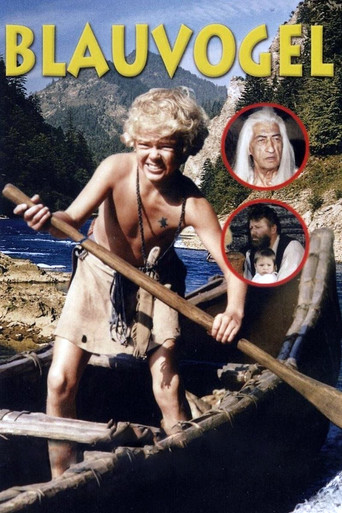
In the middle of the 18th Century, the Ruster family immigrates to America. The father, a former farm laborer, leads a hard life as a settler along with his family. One day the nine year-old George, his second-youngest son, is kidnapped by Iroquois. He is taken in by an Indian family in the place of a deceased son and receives the name "Blue Bird." The boy has homesickness and difficulties accustoming to the customs of the Indians.
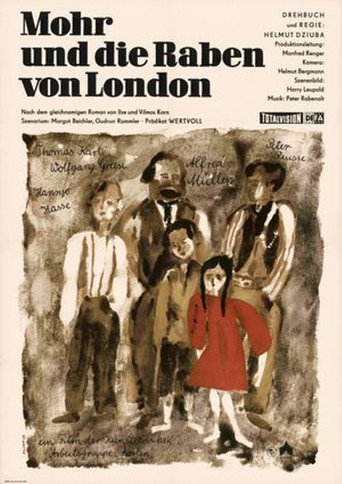
London in 1856. Karl Marx is living in exile in the British capital. One day, "Mohr", as Marx is called by his friends, meets the 13-year old worker′s son Joe. The boy works every day for twelve hours in a spinning mill and even has to work night shifts although that violates current rules. Marx tries to end the illegal activities of the spinning mill owner and one night shows up at the mill together with an inspector. But his foray is undermined by a robbery by the rebellious raven gang that is led by Joe′s brother Billy. The spinning mill owner of course takes this chance to blame his young workers for the theft. But Marx is not let astray and does not stop to fight against child labour. Furthermore, he tries to get the members of the raven gang back on the straight and narrow – with success.
A communist is released from prison in 1935 Hamburg. He tries to link up with the Party again, but is unsure as to who he can trust, and has difficulty adjusting to life in Nazi Germany.
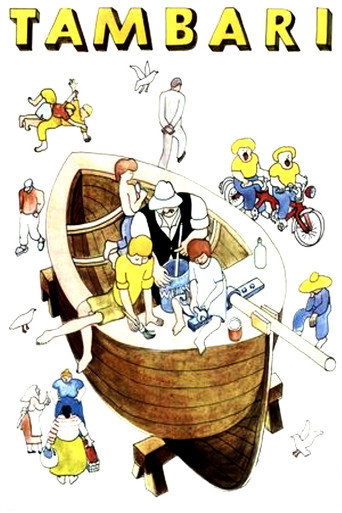
Tambari - it's a name of an old boat which children of a small village on a Baltic sea shore got from an old fisherman Luden. But not all the village adults were ready to approve it...
A working-class son who became orphaned in the war is brought up by his foster father to become an upright citizen. Now, after graduating from a teacher training college, he is faced with the task of preparing young people for life.
In 1794 Bützow, widow Hornborstel, a top goose breeder, presses Mayor Hane to marry her. Rebuffed, he bans free‐range geese under a “goose edict.” Enraged, she enlists revolutionary‐minded Magister Albus to rally citizens. They rise for goose freedom, the duke deposes Hane, installs a new mayor, and Albus escapes across the border.