Acting
No biography available.
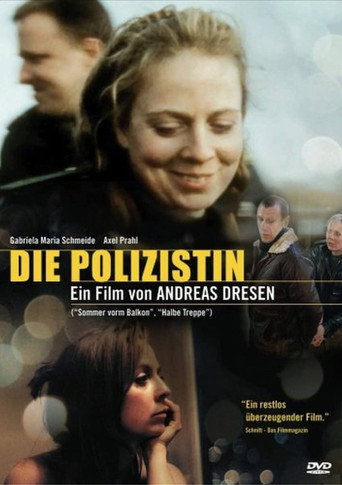
A young police woman is faced with the difficulties between her responsibilities at work and her personal responsibilities.
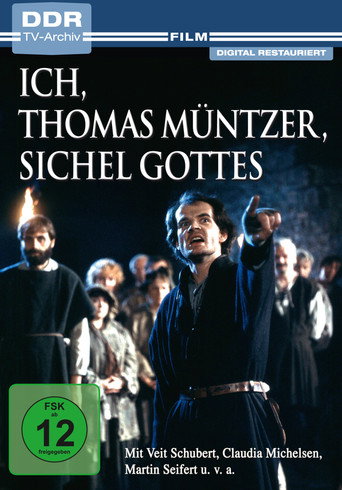
1523. The Protestant theologian Thomas Müntzer is entrusted with the pastorate by the 'Allstedt Council'. On the one hand, he is to open people's minds and hearts to more freedom, and on the other, he is to serve as an ally against the count.
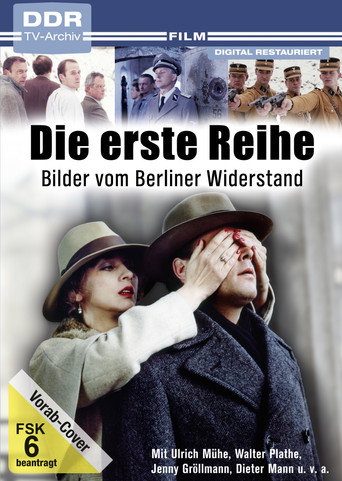
Berlin in the 1930s - Adolf Hitler comes to power, communists and social democrats are persecuted, books are burned and Jewish citizens are ostracized. The outwardly shiny façade of Berlin, the capital of the Reich, reveals nothing of the unequal struggle of young people against the increasing oppression...
A teacher's colleague is critically wounded by a student. Traumatized, she attempts to cope.
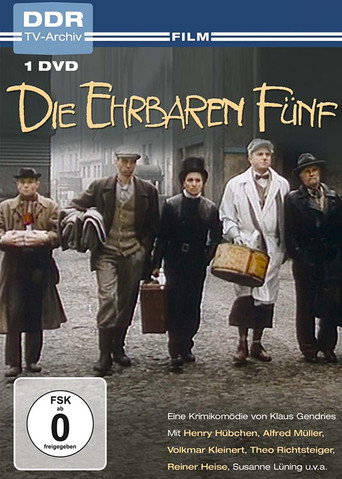
In a small Saxon town after the Second World War, the former chimney sweep Toni tries to survive on the black market and meets the pusher Ginfizz. Together they initially trade in flour before embarking on a riskier plan: they are to rescue machines from Soviet expropriation for the mill owner Hartmann by transporting them in hidden trucks. In the process, they become entangled in various adventures, from rescuing orphans to transporting pigs, while being constantly pursued by the young policewoman Gisela, who wavers between her professional duty and her attraction to Toni. After Ginfizz is caught and the others remain temporarily free, they help to get the mill up and running again to avert a food shortage.
He could have had women, he could have climbed the ladder of his accountancy career, and he could have stood on the podium next to the highest in the land. If only he had wanted to! But Farssmann, shaken by divorce and unwilling to better himself, wants to remain what he is: an ordinary bookkeeper like you and me. And so the dollar deal with Mr. Osbar from Utah (USA) is not the first time he comes into conflict with the very palpable unreality of a country called the German Democratic Republic.
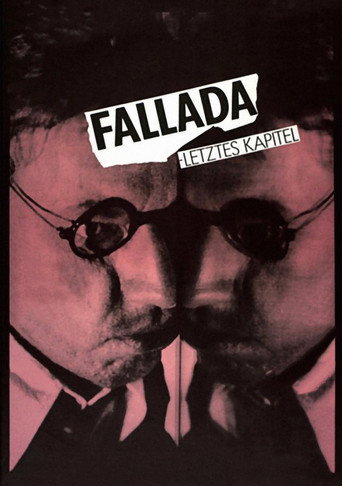
This biographical film is set in 1937, with Fallada suffering the effects of living under a microscope. The film details his decline, as he is intermittently imprisoned and threatened in order to motivate him to write for the Fatherland. Even the attention of his kind, patient wife and loving children begin to feel oppressive to him. This is one of the few films to take a serious, in-depth look at the tribulations of a creative artist pulled in all different directions by the real world.
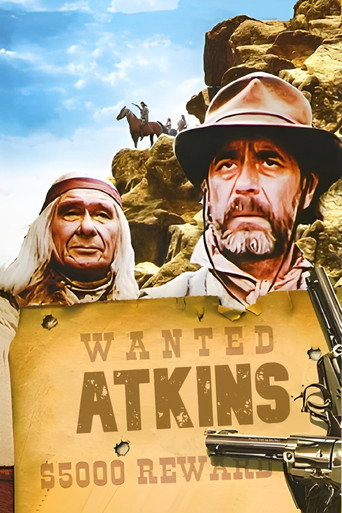
A Western set in the US around the turn of the century. Atkins leaves the city to return to the valley where he formerly lived. There he meets Native Americans who learn to trust him. They ask Atkins to buy weapons for them. On his journey Atkins meets Morris, whose interest in mineral resources puts Atkins loyalty to the Native Americans to the test.
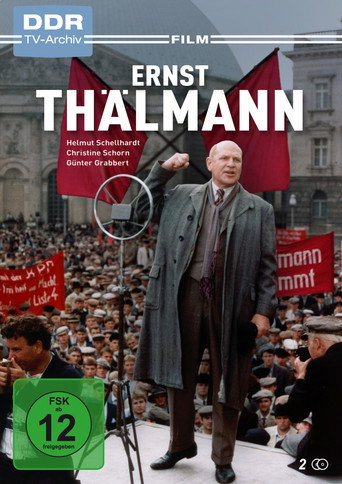
This elaborate two-part television film features a section from the life of communist worker leader Ernst Thälmann. It begins with the bloody riots on May 1, 1929 in Berlin, in which police officers shot at demonstrating workers, and ends with February 7, 1933, when Thälmann appeared as a speaker at the illegal meeting of the Central Committee of the Communist Party of Germany in goat neck. This period was marked by the struggle of the Communists against the ever stronger National Socialists and the rise of Adolf Hitler.