Directing
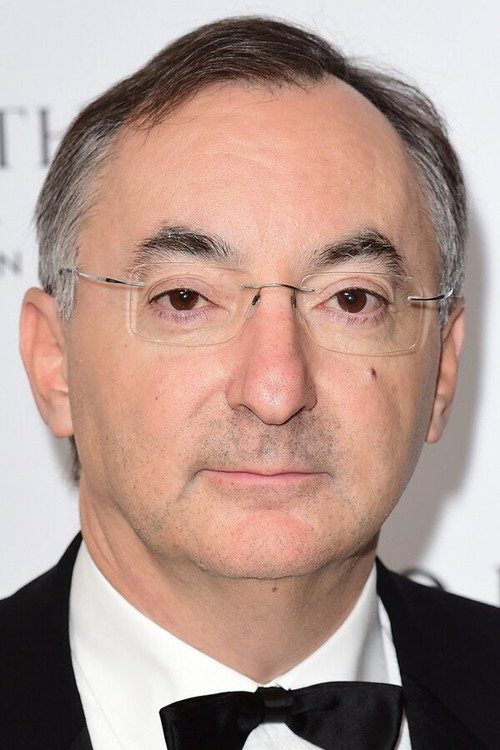
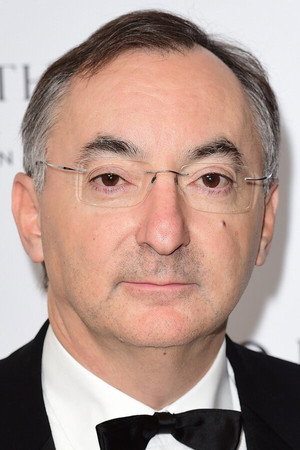
Peter Kosminsky (born 1956, London) is a British writer, director and producer. He has directed Hollywood movies such as White Oleander and television films like Warriors, The Government Inspector and The Promise.
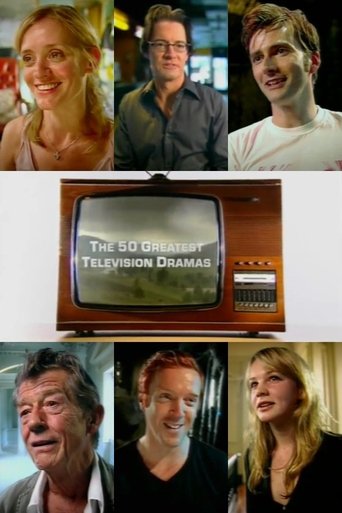
Boasting an amazing selection of the most watched, most influential and most highly acclaimed programmes ever made, The 50 Greatest Television Dramas presents a long overdue assessment of the rich heritage television drama has to offer. Channel 4 invited over 200 of Britain's top television drama professionals – writers, directors, producers and commissioners – to take part in an exclusive poll to discover what they consider the finest dramas ever produced.
After the success of the BBC drama Wolf Hall, Mark Rylance and the director Peter Kosminsky join Kirsty Wark in the Tower of London to look back over the series.
Peter Kosminsky, who directed Wolf Hall, looks back on the making of the drama, with anecdotes and insights into his working with the cast and the joy of collaborating with Hilary Mantel.
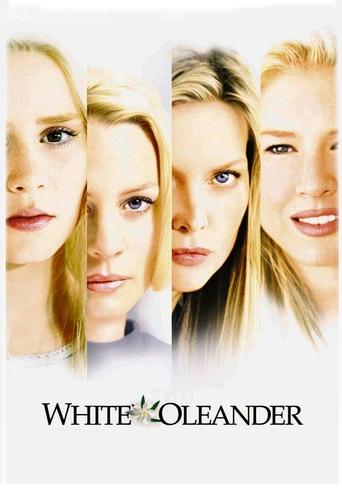
A teenager journeys through a series of foster homes after her mother goes to prison for committing a crime of passion.
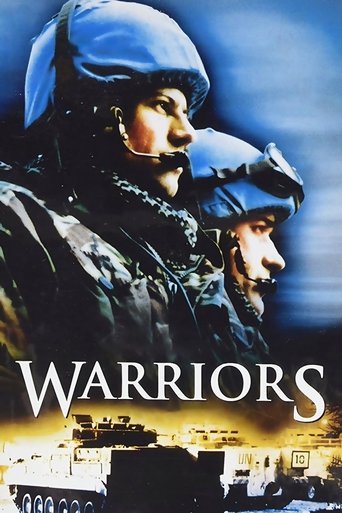
If the conflict in Bosnia has become something of a forgotten war, it's not for the want of trying from the immensely powerful BBC film Warriors, the story of five young soldiers and their harrowing experiences in the region.
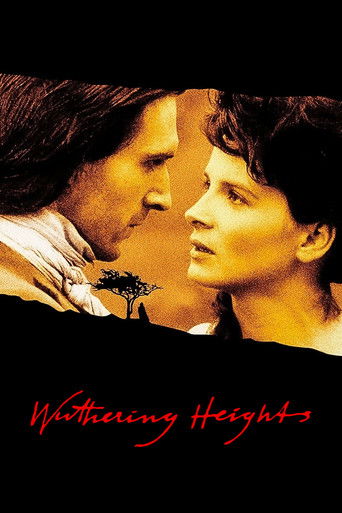
Young orphan Heathcliff is adopted by the wealthy Earnshaw family and moves into their estate, Wuthering Heights. Soon, the new resident falls for his compassionate foster sister, Cathy. The two share a remarkable bond that seems unbreakable until Cathy, feeling the pressure of social convention, suppresses her feelings and marries Edgar Linton, a man of means who befits her stature. Heathcliff vows to win her back.
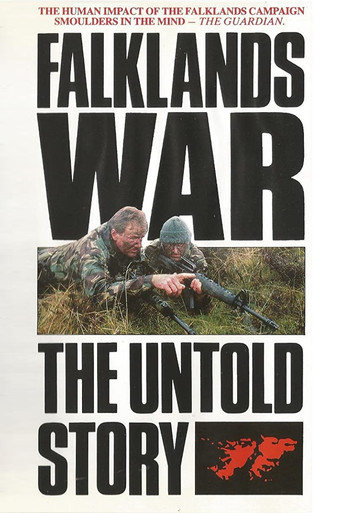
Five years after the war in the Falklands between Britain and Argentina, many facts were still wrapped in red tape. Many of the key figures had remained silent. No-one had been to Argentina to tell the other side of the story. For the majority of the British people, the war was another glorious chapter in their history. With flags waving and bands playing, British troops had sailed away to repel the invaders. Patriotic emotions were stirred as they returned victorious. Government MPs tried to get the film banned, but Yorkshire TV's telephones were jammed with messages of support from wives and mothers of those who died in the conflict. Called 'the documentary to end all documentaries about the Falklands War' in the British press, it was also described as 'more poem than polemic - a hymn against war'.
One day in the life of television is a documentary that was broadcast on ITV on 1 November 1989. Filmed by over fifty crews exactly one year earlier, it was a huge behind-the-scenes look at a wide range of activities involved in the production, reception and marketing of British television. The project was organised by the British Film Institute and produced and directed for television by Peter Kosminsky. A book by Sean Day-Lewis was published to accompany the documentary. It contained the thoughts of people throughout Britain, including industry professionals, who recorded their feelings and experiences of television viewing on 1 November 1988, the day that the documentary was filmed.
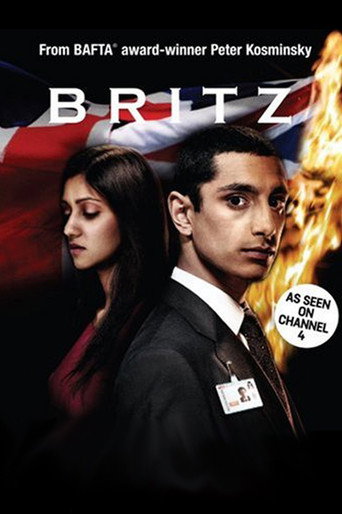
Sohail is an ambitious law undergraduate who signs up with MI5 and, eager to play a part in protecting British security, begins an investigation into a terrorist cell. His sister Nasima is a medical student in Leeds who becomes increasingly alienated and angered by Britain's foreign and domestic policy after witnessing at first hand the relentless targeting of her Muslim neighbours and peers. With action set in Pakistan, Eastern Europe, London and Leeds, both feature-length episodes detail a tragic sequence of events from two distinct perspectives. At the heart of this thought-provoking drama is a revealing examination of British Muslim life under current anti-terror legislation. Britz ultimately asks whether the laws we think are making us safer, are actually putting us in greater danger.
Sean Devereux was a British aid worker in Somalia, who upset the authorities and was assassinated as a result.
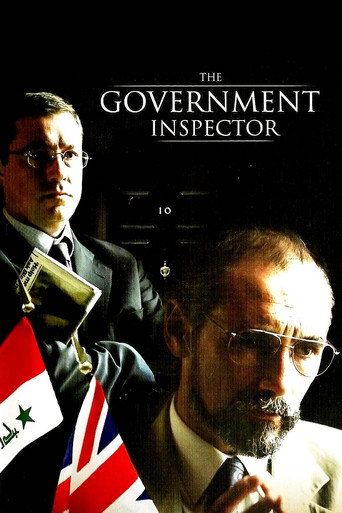
The Government Inspector is a 2005 television drama based on the life of Dr. David Kelly and the lead-up to the Iraq War in the United Kingdom.
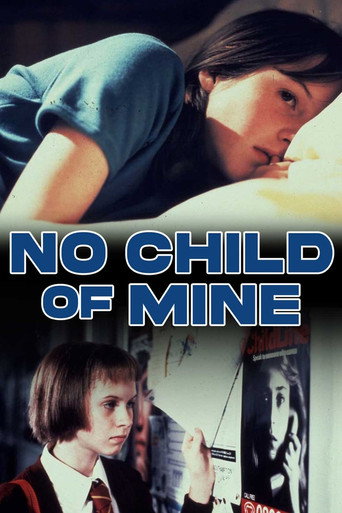
Thirteen-year-old Kerry is repeatedly sexually abused by several adults, including at one point her mother. Her father sets her up as a prostitute. Kerry finally calls Childline and is put in a safe house, where she tries to come to terms with what has been done to her. Based on a true story, with the names changed to protect the real Kerry's identity.
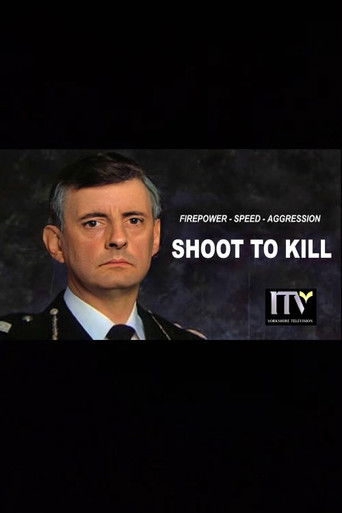
Shoot to Kill is a four-hour drama documentary reconstruction of the events that led to the 1984–86 Stalker Inquiry into the shooting of six terrorist suspects in Northern Ireland in 1982 by a specialist unit of the Royal Ulster Constabulary (RUC), allegedly without warning (the so-called shoot-to-kill policy); the organised fabrication of false accounts of the events; and the difficulties created for the inquiry team in their investigation.