Peter Hladik Movies, TV Shows, and Filmography

Peter Hladik
Acting
Biography
From Wikipedia: Peter Hladik is a German actor, voice actor, and radio drama performer. In East Germany, he was one of the most distinguished stage actors and was a permanent member of the Berliner Ensemble from 1973 to 1994. He became known to audiences throughout Germany primarily through the soap opera *Alle zusammen – jeder für sich* (All Together – Each for Themselves) in the role of surgeon Dr. Hans-Joachim Baer and as private banker Alexander Wellinghoff in the first German telenovela, *Bianca – Wege zum Glück* (Bianca – Paths to Happiness). He garnered further attention in 2008 for his portrayal of the Italian composer Giacomo Puccini in Andreas Morell's biopic *Giacomo Puccini – Die dunkle Seite des Mondes* (Giacomo Puccini – The Dark Side of the Moon).
Filmography Movies
Acting
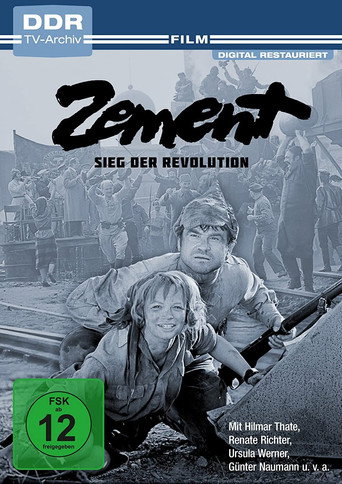
Zement
Early 1921: a man is on his way home. Gleb Chumalov, regimental commander, worker and Hero of the Order of the Red Banner, returns to his home town from the Civil War. The victory over the enemies of the Russian people gives him the conviction that a new, better time will dawn overnight. Gleb looks for his comrades from earlier years, but only finds people who are emaciated by their efforts. The cement works where he used to work has been plundered and abandoned. With great effort, Gleb and his comrades try to get the plant up and running again. The struggle seems to begin anew... It is the time after the victory of the “Great October Socialist Revolution“ and the time of building a new society.
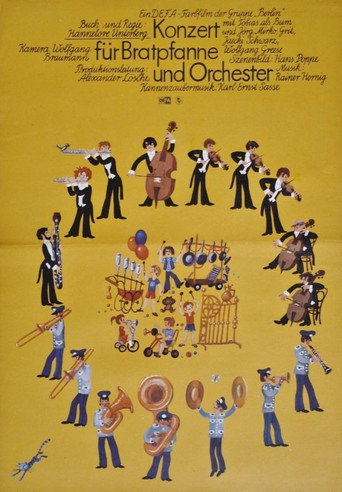
Concert for Frying Pan and Orchestra
For the "Festival of good ideas" that is to take place in their residential quarter the musically enthusiastic young Bum wants to rehearse a music show along with his friends. With pans, cans, hooters and other junk they make music. Some adults get angry about that. Others like the second-hand dealer Dohlenei and Mr. Kling from the symphony orchestra help the children to make their fantastic idea come true.
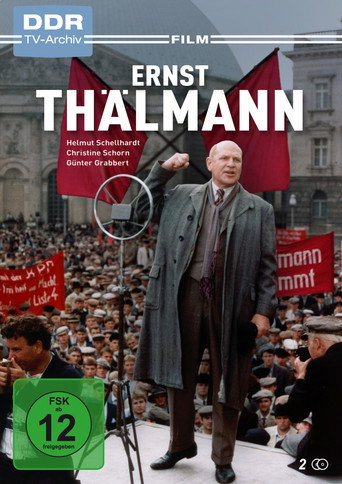
Ernst Thälmann
This elaborate two-part television film features a section from the life of communist worker leader Ernst Thälmann. It begins with the bloody riots on May 1, 1929 in Berlin, in which police officers shot at demonstrating workers, and ends with February 7, 1933, when Thälmann appeared as a speaker at the illegal meeting of the Central Committee of the Communist Party of Germany in goat neck. This period was marked by the struggle of the Communists against the ever stronger National Socialists and the rise of Adolf Hitler.
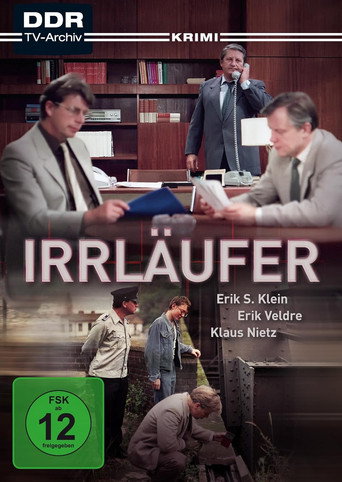
Irrläufer
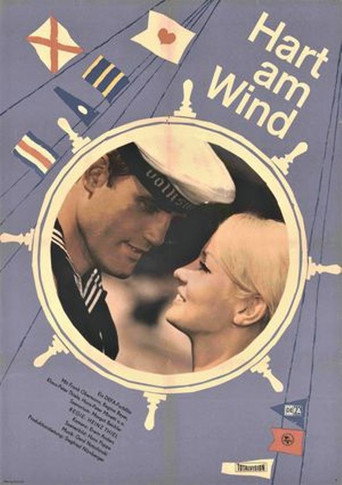
Hart am Wind
The electrician Peter Drews is a brigadier at a Baltic Sea dockyard. His men are among the most reliable and diligent workers at the dockyard. Their motivation, however, increasingly suffers from Peter’s narcissism and imperiousness. Even his girlfriend Brigitte who is also a member of the brigade finds it increasingly difficult to accept his behavior. One day, Peter decides that the entire group must enter the navy - just because he has received his conscription call. While four men follow Peter into the navy, Brigitte, who has broken up with Peter, takes over the control of the brigade. During the work at the ship on which Peter is based at she meets the charming lieutenant Asmus.
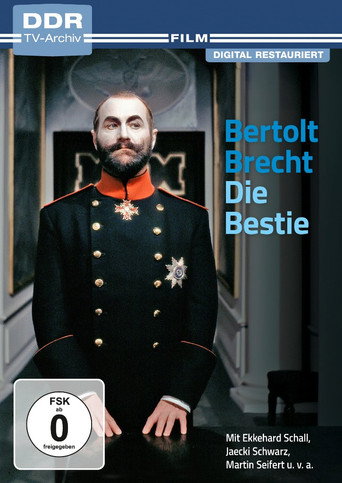
Die Bestie
Moscow in the 1920s. A film about the pogroms in southern Russia is being made in a studio. The name of the notorious tsarist governor Muratov, also known as "The Beast", symbolizes the crimes of the time. During filming, an old, decrepit man comes forward who wants to be in the movie because of his resemblance to Muratov. Could it be possible that this man is the real Muratov? Everyone is so preoccupied with the realization of the material that this incident remains hidden. As artists, everyone has their own visions - which often bypass reality ...
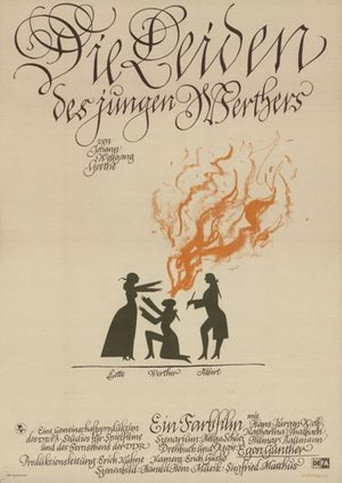
The Sorrows of Young Werther
The young and rebellious Werther is passionately, but hopelessly, in love with Lotte. Although he knows that she is married to somebody who can offer her a secure future, Werther tries to be near her. Lotte cannot decide between these two men. She eventually rejects Werther, who does not survive her decision.

Geschichten einer Nacht
Six episodes taking place the night the Berlin Wall came down.
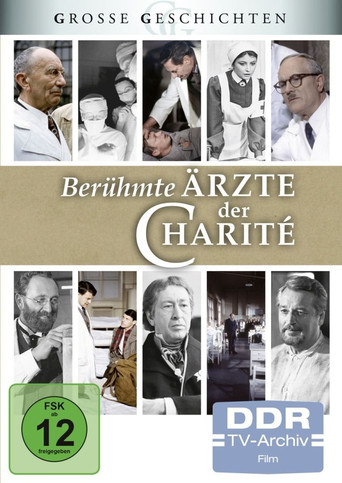
Berühmte Ärzte der Charité: Der kleine Doktor
The six-part film series tells in impressive stages of the work of important doctors at the internationally renowned Berlin hospital in its medical and contemporary historical scope. The period spans the beginning of the 19th century to the Second World War, bringing the viewer close to the work of great medical professionals: Robert Koch, Ferdinand Sauerbruch, Rudolf Virchow and others. Film overview: • "The man from Jena" (Christoph Wilhelm Hufeland). • "The Little Doctor" (Rudolf Virchow) • "Krisis" (Robert Koch). • "Doctor in Uniform" (Theodor Brugsch and Georg Friedrich Nicolai). • "The seemingly impossible" (Walter Stoeckel) • "Die dunklen Jahre"(Ferdinand Sauerbruch)
Gallery