Art
No biography available.
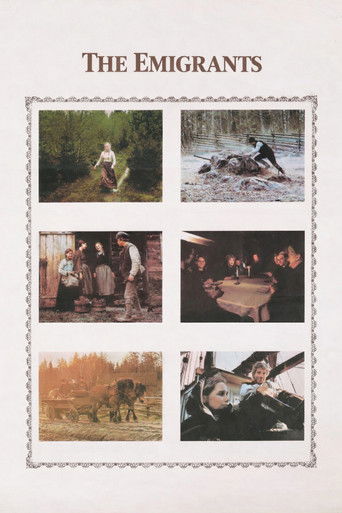
Karl and Kristina Nilsson work on a farm in a cold and desolate area of 19th century rural Sweden. Growing privations, combined with increasing social and religious persecution, motivate the Nilssons and many of their neighbors to strike out for the United States. Following a treacherous ocean crossing and an equally grueling land passage, the emigrants find themselves in seemingly idyllic Minnesota.
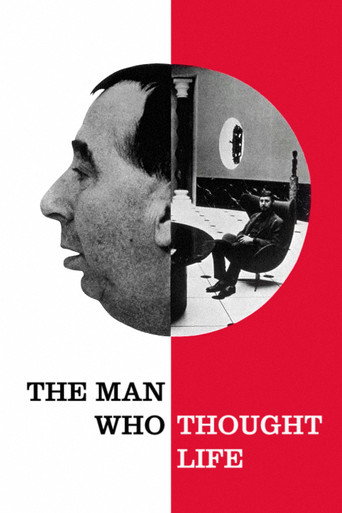
The mysterious Mr. Steinmetz has acquired the ability to create things and beings by will alone. Only, after a while his creations invariably disappear. He therefore approaches a famous brain surgeon, Max Holst, who he hopes can help him with this problem. When Max refuses, Steinmetz brings his doppelgänger into being to replace him.
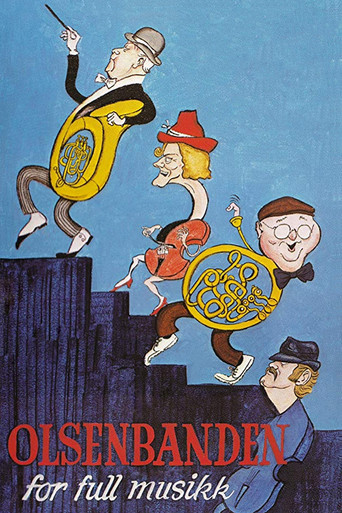
Egon Olsen is commissioned to help a baron with an insurance fraud. As the dividend can finance Basse's wedding, even Valborg accepts the plans.
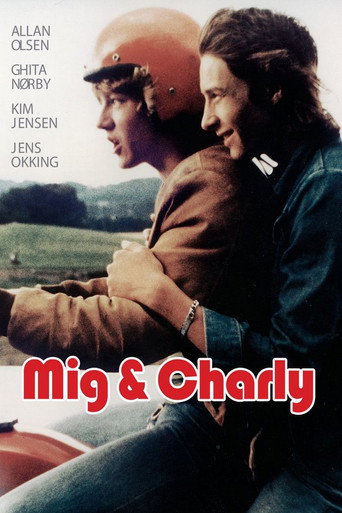
Steffen is a good kid, a teenager who has recently finished school and is looking for work. He lives with his widowed mother, a newspaper reporter. Very little throws him off his stride, whether it is his girlfriend's jealousy of his friendship with Charly, a reform-school boy, or his mother's drunken, playful amorousness one night, because he reminds her of his father.
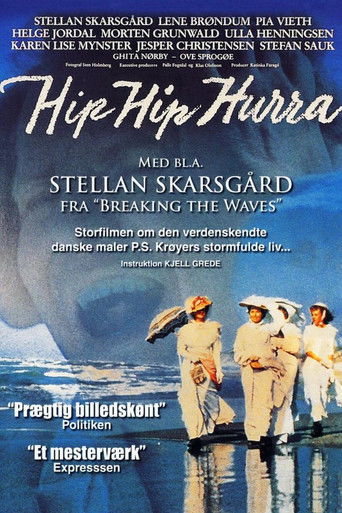
The life and times of the Scandinavian artists' colony who lived in Skagen on the Danish coast during the 1890s. Not so much a biographical account, rather a portrait of a way of life. The painters became famous for the way they used the light in their work, and this has also been mirrored in the cinematography.
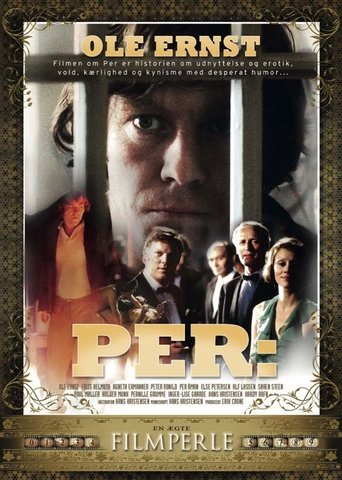
Ole Ernst stars as an energetic conman lured into trying to set a factory on fire to catch in on the insurance. The plan backfires and both the factory owner, his wife and the conman hunted by the police must flee to Sweden.
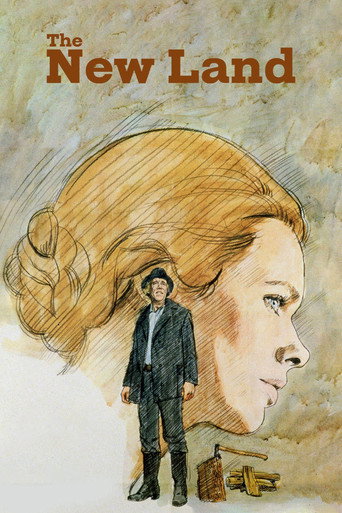
A Swedish immigrant family struggles to adapt to their new life on the American frontier during the second half of the 19th century amidst civil war, native uprising and the lure of gold in California.
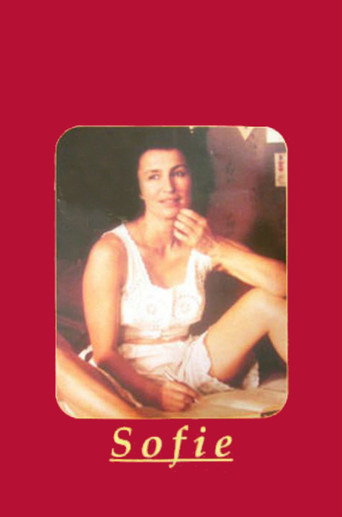
Liv Ulmann's directorial debut also had her co-authoring the screenplay (with poet Peter Poulsen) as based on a Henri Nathansen's 1932 novel about an affluent late 19th century Jewish merchant family in Copenhagen. Ulmann focuses on strong-willed daughter Sofie's progress through life: a love affair with a gentile painter, an arranged marriage , childbirth and ever more fateful challenges.
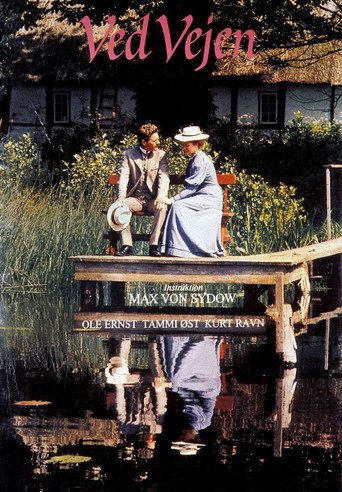
A new foreman, Huus, arrives in a sleepy Danish village, much to the delight of the unmarried women there. However, Huus becomes very friendly with Katinka and her husband, Bai, the stationmaster. Katinka, childless and in frail health, gradually falls in love with Huus, though her husband does not seem to notice. Based on the work by Herman Bang.