Acting
No biography available.
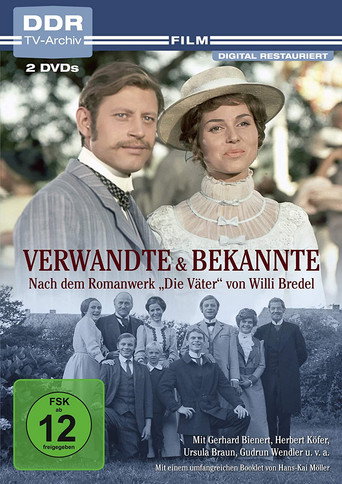
Using the example of three generations of a Hamburg working class family, the rise of the working class from the founding of the Wilhelmin Empire to the First World War, over the time of the Weimar Republic and National Socialism to the destruction of the Third Reich.
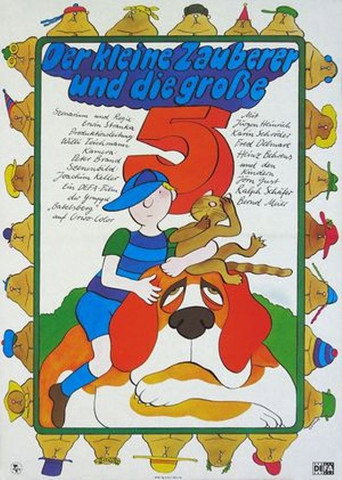
Oliver is in the 4th grade. He hasn't been paying attention in magic class and gets a big, fat five on a test. He has to have the work signed by his parents, but he is ashamed and doesn't want to cause his parents any grief. So he tries to get rid of the five with magic or at least turn it into a three. He manages to create talking guinea pigs and singing geese, but the five remains. The other children are already angry with him because he has no time to play with all the magic exercises. And so he decides to confess his mishap to his parents. His mother shows him how he can turn the five into a better grade - and that has to do with learning.
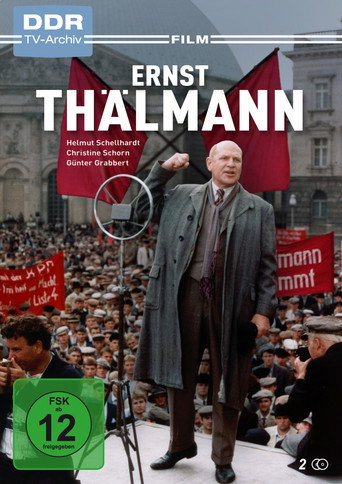
This elaborate two-part television film features a section from the life of communist worker leader Ernst Thälmann. It begins with the bloody riots on May 1, 1929 in Berlin, in which police officers shot at demonstrating workers, and ends with February 7, 1933, when Thälmann appeared as a speaker at the illegal meeting of the Central Committee of the Communist Party of Germany in goat neck. This period was marked by the struggle of the Communists against the ever stronger National Socialists and the rise of Adolf Hitler.
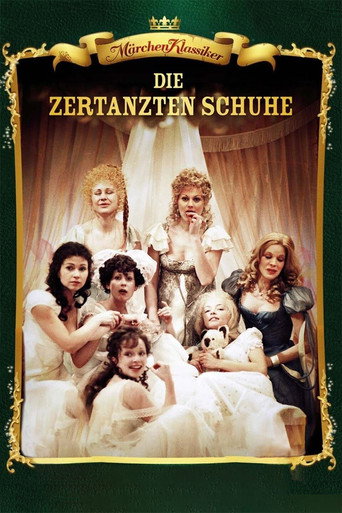
Television adaptation of the Brothers Grimm fairytale.
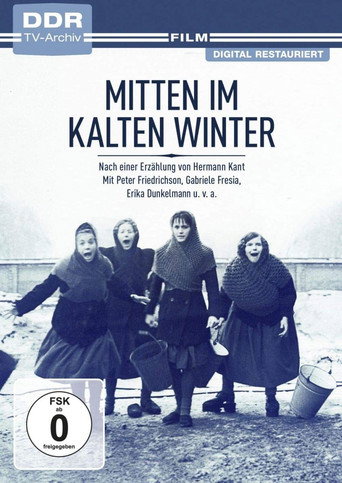
Winter of 1943. Cheerful, shy beginning of a tender love between the electric fitter Paul, who works on the estate on the power poles and the girl Anna. Both encounter each other during the war on a Mecklenburg estate. The three buxom and arrogant maids Elsa I, II and III, who also work in the manor, provide wit and pleasure.
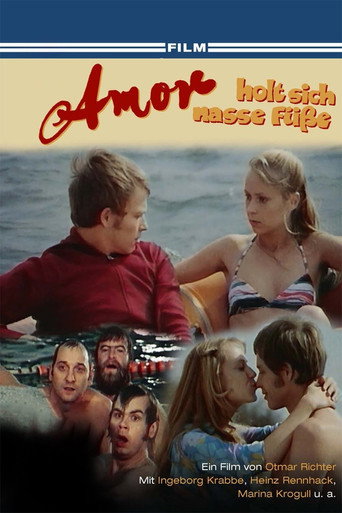
A young woman does everything she can to catch the eye of her chosen one. In the end, she even goes into the water - wearing a diving suit. A cheerful underwater love story for GDR television, which also casually promotes the diving section of the pre-military Society for Sport and Technology in the GDR.
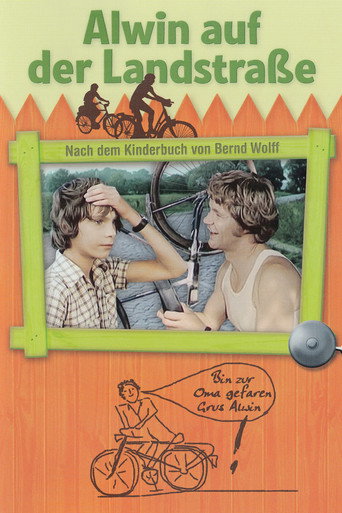
Ironically, at the beginning of the summer holidays, Alwins strict father has grounded him to get him to improve his spelling. Alwin feels like a prisoner and decides to run away heading to his grandparents in the Harz mountains nearly 200 kilometers away. On the road Alwin meets many people and with their help Alwin slowly progresses towards his destination.
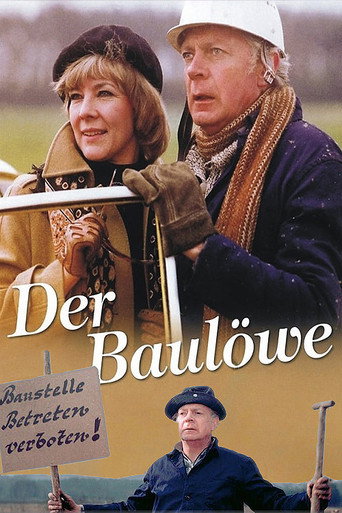
The successful entertainment artist Ralf Keul must develop his land on the Baltic Sea or else ultimately give it up. Inexperienced yet courageous, he hurls himself into the undertaking, which spares him no unpleasantness. He battles over the transportation and procurement of materials, constantly on the verge of a nervous breakdown, while his craftsmen offer little additional assistance.
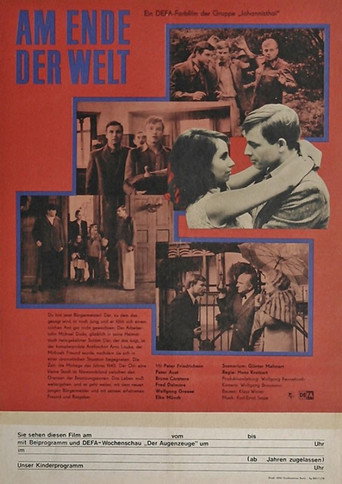
In May 1945, returning soldier Michael Duda finds his hometown Weißenthal unoccupied. He meets escaped camp prisoner Arno Laube, who leads the town’s ad hoc move toward democracy and improbably appoints 19-year-old Michael as mayor. Tasked with refugees, shortages, and rogue soldiers, Michael must prove himself in a fractured No Man’s Land.
Based on a fairy tale by the Brothers Grimm: Jakob is a poor farmer′s boy. Because of his timidity that even makes him run away from mice, he is often ridiculed by other people. Even the king is ill-disposed towards him. One day he sends Jakob to the devil to rob him of three golden hairs. This is supposed to be Jakob′s certain death. But naïve Jakob gets going and on his way even promises the oppressed subjects of the king to ask the devil for a way out of their misery.